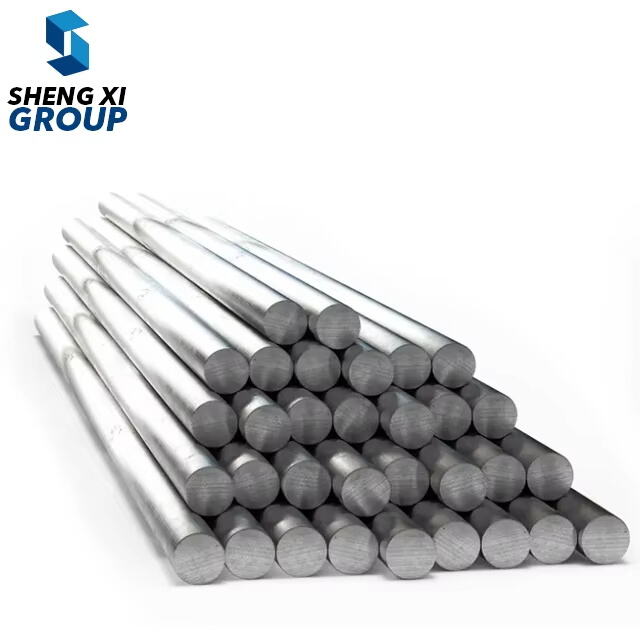
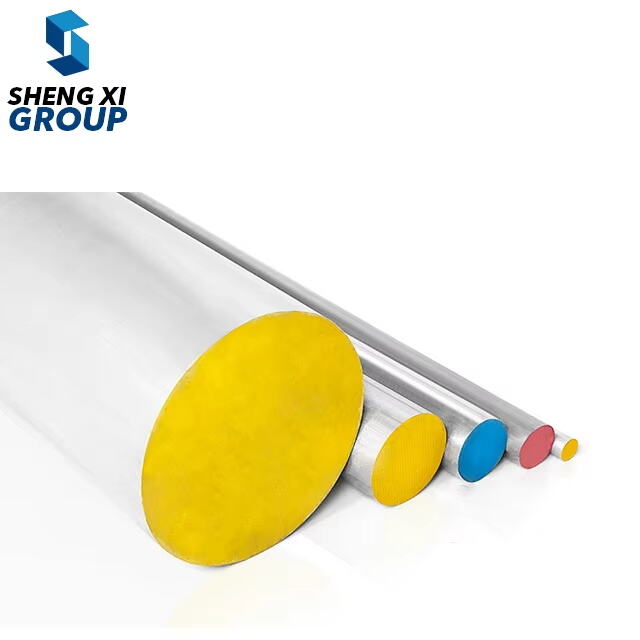
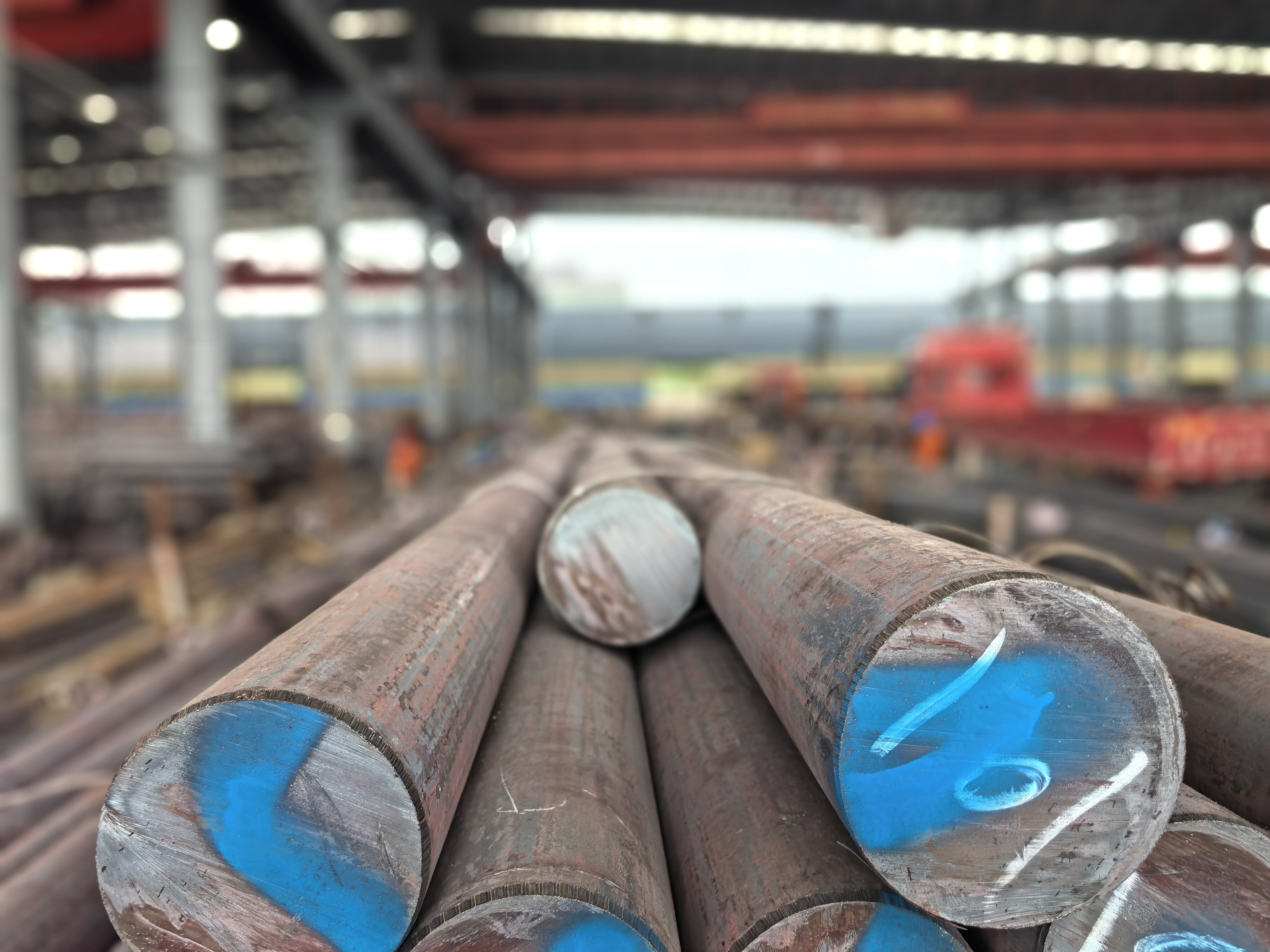
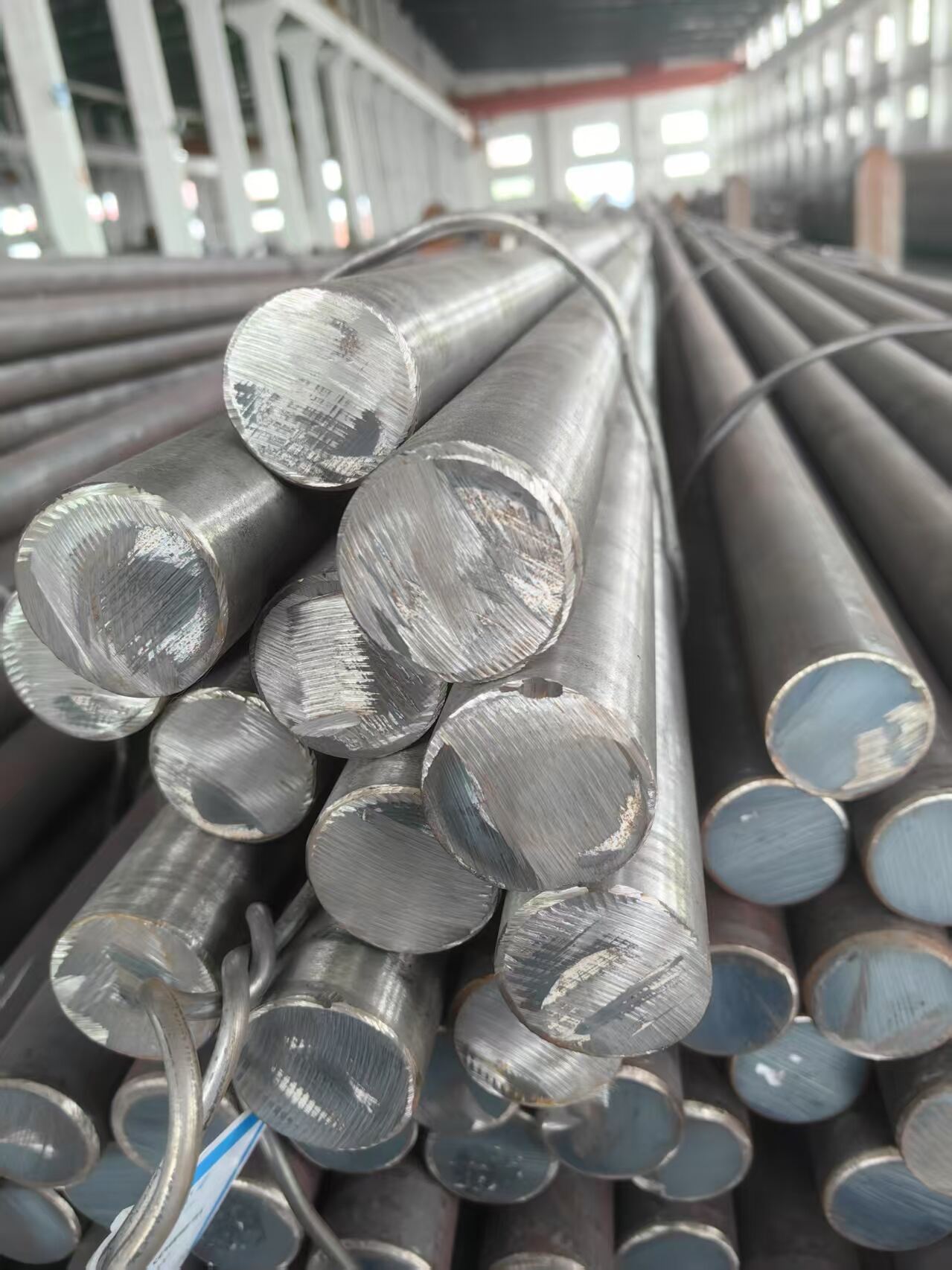
High Speed Steel Blank: Premium Tool Material for Superior Performance and Durability

All Categories

high speed steel blank

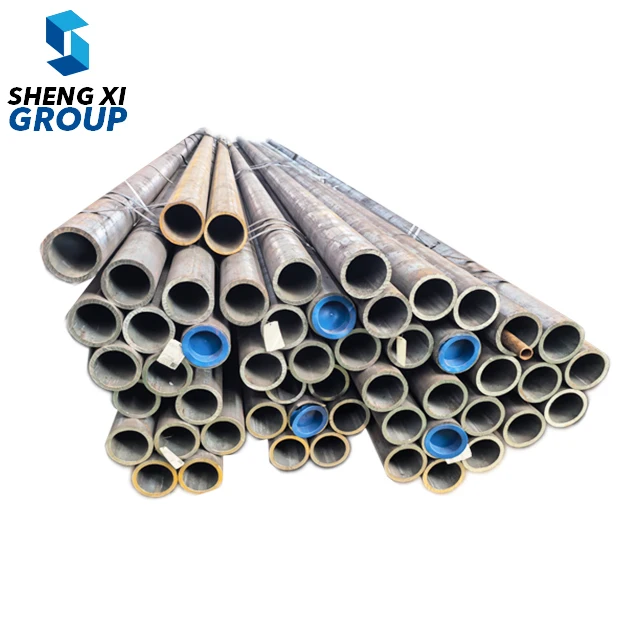
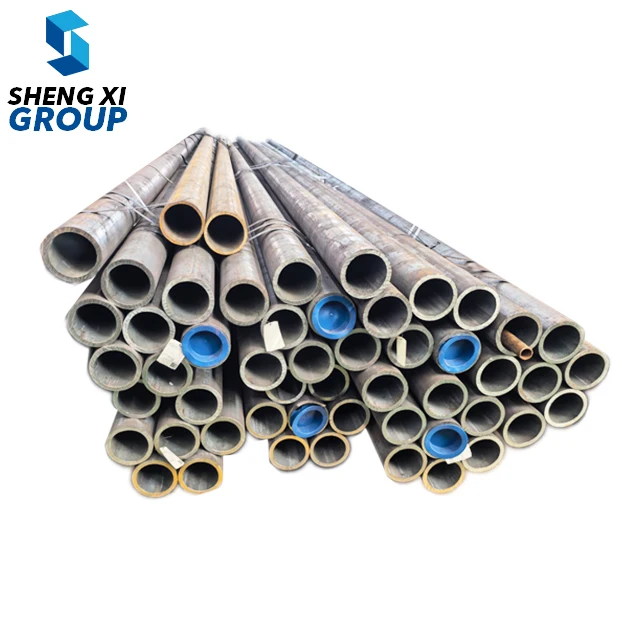
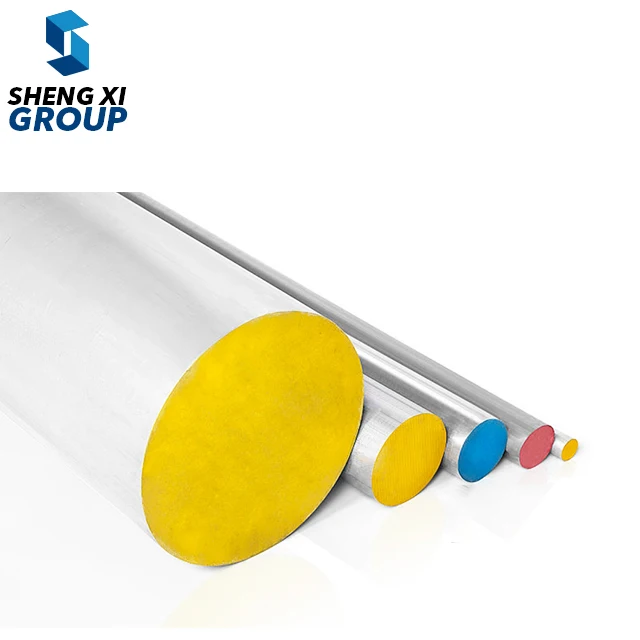
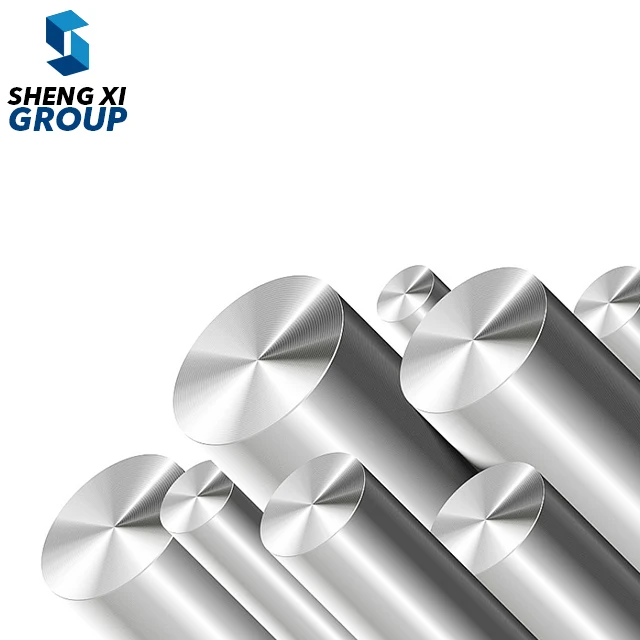
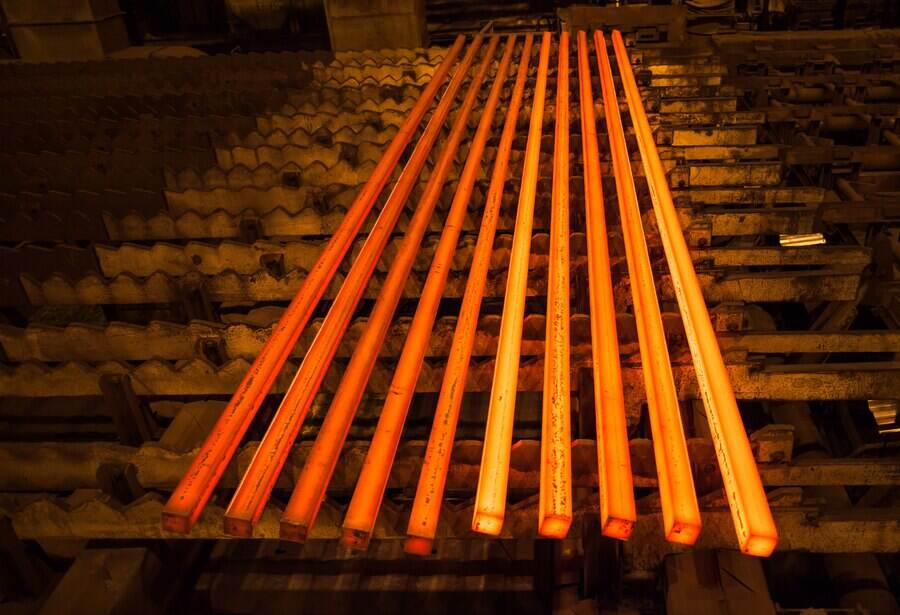
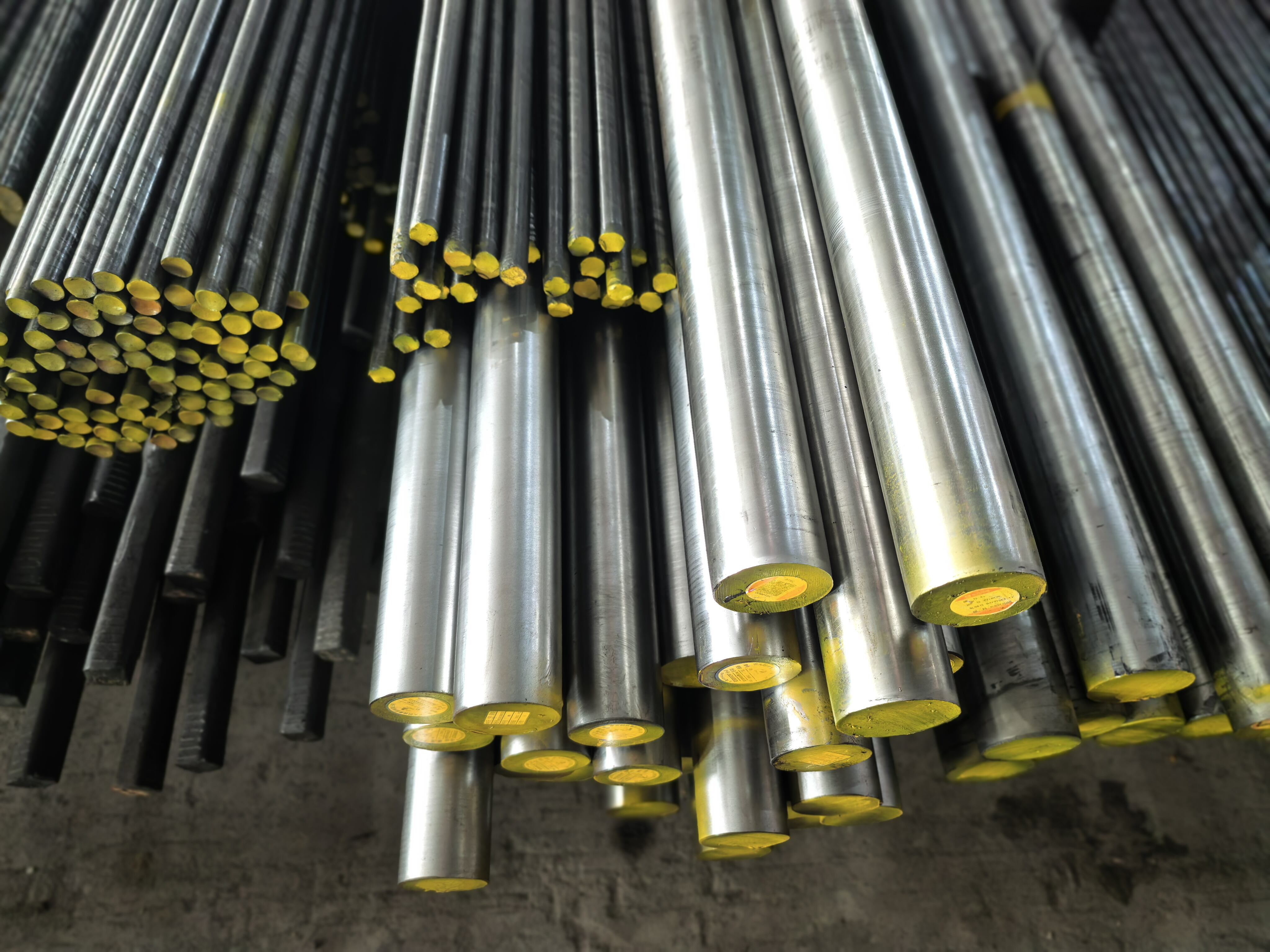
A high speed steel blank represents a fundamental component in modern manufacturing, serving as the raw material foundation for creating precision cutting tools and industrial equipment. This specialized steel composition combines tungsten, molybdenum, vanadium, and chromium with carbon to produce exceptional hardness and heat resistance properties. The high speed steel blank maintains its structural integrity even at elevated temperatures, making it indispensable for high-performance machining operations. Manufacturing processes begin with careful alloy formulation, where precise ratios of alloying elements create the desired metallurgical characteristics. The production involves vacuum melting, forging, and controlled cooling to achieve uniform grain structure throughout the material. Quality control measures ensure consistent chemical composition and mechanical properties across every high speed steel blank produced. These blanks undergo rigorous testing for hardness, toughness, and dimensional accuracy before reaching end users. The material exhibits remarkable wear resistance, allowing extended tool life in demanding applications. Heat treatment capabilities enable customization of hardness levels ranging from 60 to 67 HRC, depending on specific application requirements. The high speed steel blank serves multiple industries including automotive, aerospace, medical device manufacturing, and general machining. Tool manufacturers rely on these blanks to create drill bits, end mills, reamers, taps, and broaches that deliver consistent performance. The versatility of high speed steel blank extends to specialized applications such as forming dies, punches, and cutting blades for industrial processes. Advanced powder metallurgy techniques have enhanced the uniformity and performance characteristics of modern high speed steel blank products. This manufacturing approach eliminates segregation issues common in conventional steel production methods. The resulting material offers superior machinability during tool fabrication while maintaining excellent service performance. Environmental considerations have driven improvements in production efficiency and waste reduction throughout the high speed steel blank manufacturing process.


New Product Releases

The high speed steel blank delivers exceptional value through its outstanding thermal stability, which allows cutting tools to maintain their sharpness even during intensive machining operations that generate significant heat. This thermal resistance translates directly into increased productivity for manufacturers who can run their equipment at higher speeds without compromising tool integrity. The material's superior hardness retention prevents premature tool wear, resulting in longer service intervals and reduced replacement costs for end users. Cost-effectiveness becomes evident through extended tool life cycles, as a single high speed steel blank can produce cutting tools that outlast conventional alternatives by substantial margins. The economic benefits multiply when considering reduced downtime for tool changes and the consistent quality output achieved throughout the tool's operational lifetime. Versatility stands as another compelling advantage, with high speed steel blank accommodating diverse machining applications across various materials including steel, aluminum, cast iron, and exotic alloys. This adaptability eliminates the need for specialized tool materials in many situations, simplifying inventory management and reducing procurement complexity. The material's excellent machinability during tool fabrication enables manufacturers to create complex geometries and precise dimensions with standard equipment. This characteristic reduces manufacturing costs and lead times for custom tooling requirements. Reliability represents a cornerstone benefit, as high speed steel blank exhibits predictable performance characteristics that allow engineers to confidently specify cutting parameters and expect consistent results. The material's proven track record across decades of industrial use provides assurance for critical applications where tool failure could result in significant production losses. Quality consistency ensures that each high speed steel blank meets stringent specifications, eliminating variability that could compromise tool performance. Advanced metallurgical processes create uniform grain structures that prevent weak points and ensure reliable tool operation. The material's excellent toughness prevents catastrophic failure modes, providing operators with predictable wear patterns and clear indicators for replacement timing. Environmental advantages include the material's recyclability and the reduced waste generated through extended tool life. The high speed steel blank contributes to sustainable manufacturing practices by minimizing the frequency of tool disposal and replacement. Processing efficiency gains result from the material's ability to maintain sharp cutting edges longer, reducing the energy required for machining operations and improving surface finish quality on manufactured parts.

Latest News

Application of Different Types of Mould Steel

08

Jul

Application of Different Types of Mould Steel

Introduction to Mould Steel Fundamentals Mould steel stands out as one of those essential materials found throughout manufacturing sectors where it plays a key part in making all sorts of molds and dies. What makes this stuff special? Well, manufac...
View More
How to Heat Treat Bearing Steel

08

Jul

How to Heat Treat Bearing Steel

Fundamentals of Heat Treating Bearing Steel Composition Requirements for Bearing Steel What makes bearing steel work so well comes down to its composition, which needs to hit certain performance benchmarks for durability. The main ingredients mixed...
View More
Best Practices for Using High Speed Steel

27

Aug

Best Practices for Using High Speed Steel

Maximizing Performance with High Speed Steel Tools High speed steel has revolutionized modern machining operations, offering exceptional hardness and heat resistance that makes it indispensable in manufacturing and metalworking. Understanding how to ...
View More
Application fields of high-strength steel

22

Sep

Application fields of high-strength steel

The Evolution of Advanced Steel Technology High-strength steel has revolutionized modern manufacturing and construction, offering unprecedented combinations of durability, weight savings, and cost-effectiveness. As industries push the boundaries of m...
View More

Get a Free Quote

Our representative will contact you soon.
Email
Name
Company Name
Message
0/1000

high speed steel blank

Superior Heat Resistance and Thermal Stability

Superior Heat Resistance and Thermal Stability

The exceptional heat resistance of high speed steel blank stems from its carefully engineered alloy composition, which incorporates tungsten, molybdenum, and vanadium in precise proportions to create outstanding thermal stability. This characteristic enables cutting tools manufactured from high speed steel blank to maintain their hardness and cutting edge integrity even when operating temperatures exceed 600 degrees Celsius during intensive machining operations. The thermal stability translates into practical benefits for manufacturers who can increase cutting speeds and feed rates without experiencing rapid tool degradation. Traditional carbon steel tools lose their hardness quickly when exposed to elevated temperatures, but high speed steel blank retains its metallurgical structure under these demanding conditions. This heat resistance allows for dry machining operations in many applications, eliminating the need for coolant systems and reducing operational complexity. The material's ability to withstand thermal cycling prevents the formation of thermal cracks that commonly plague lesser steel grades during interrupted cutting operations. Manufacturing processes benefit significantly from this thermal stability, as operators can maintain consistent cutting parameters throughout extended production runs without adjusting for tool degradation. The heat resistance also enables effective machining of difficult-to-cut materials such as stainless steel, titanium alloys, and hardened steels that generate substantial heat during cutting. Quality improvements result from the stable cutting geometry maintained by tools made from high speed steel blank, as thermal deformation does not compromise dimensional accuracy. The economic impact of superior heat resistance becomes apparent through reduced tool inventory requirements and decreased machine downtime for tool changes. Production scheduling benefits from predictable tool life, as thermal stability prevents premature failure that could disrupt manufacturing schedules. The high speed steel blank's thermal properties also support higher material removal rates, increasing productivity while maintaining surface finish quality on machined components.
Exceptional Wear Resistance and Extended Tool Life

Exceptional Wear Resistance and Extended Tool Life

The remarkable wear resistance of high speed steel blank results from its unique carbide structure, which forms during the manufacturing process through precise heat treatment and controlled cooling cycles. This carbide network provides exceptional hardness while maintaining sufficient toughness to prevent brittle failure under cutting loads. The wear resistance directly translates to extended tool life, with cutting implements manufactured from high speed steel blank often lasting three to five times longer than conventional tool materials. This longevity stems from the material's ability to resist both adhesive and abrasive wear mechanisms that typically cause rapid tool degradation. The economic benefits of extended tool life compound throughout the manufacturing process, reducing both material costs and labor expenses associated with frequent tool changes. Production efficiency improves dramatically when tools maintain their cutting performance over extended periods, as operators can complete larger production runs without interruption. The wear resistance characteristics remain consistent across various machining applications, from light finishing cuts to heavy roughing operations. Quality control benefits emerge from the predictable wear patterns exhibited by high speed steel blank, allowing manufacturers to establish reliable tool change intervals based on actual usage rather than conservative estimates. The material's resistance to cratering and flank wear ensures that dimensional accuracy remains consistent throughout the tool's operational life. Surface finish quality on machined parts stays within specifications longer, reducing the need for secondary finishing operations. Inventory management becomes more efficient when tool consumption follows predictable patterns enabled by the consistent wear resistance of high speed steel blank. The reduced frequency of tool failures minimizes emergency procurement situations and allows for better planning of maintenance activities. Environmental benefits accrue from the extended tool life, as fewer tools require disposal and replacement, contributing to sustainable manufacturing practices. The wear resistance also supports unmanned machining operations, as tools can operate reliably for extended periods without operator intervention.
Outstanding Toughness and Fracture Resistance

Outstanding Toughness and Fracture Resistance

The exceptional toughness of high speed steel blank provides critical fracture resistance that prevents catastrophic tool failure during demanding machining operations. This toughness results from the carefully balanced microstructure that combines high hardness with sufficient ductility to absorb impact loads without brittle fracture. The material's ability to withstand shock loading makes it ideal for interrupted cutting operations, where tools experience alternating engagement and disengagement with the workpiece. Manufacturing applications benefit from this toughness through reduced risk of tool breakage that could damage expensive workpieces or machinery. The fracture resistance enables aggressive cutting parameters in situations where productivity demands high material removal rates. Quality assurance improves when tools exhibit predictable failure modes rather than sudden catastrophic breakage that can compromise part quality. The toughness characteristics of high speed steel blank allow for the production of tools with complex geometries and thin cross-sections that would be impossible with more brittle materials. Vibration resistance results from the material's ability to absorb energy without crack initiation, leading to improved surface finish and dimensional accuracy in machined parts. The balanced mechanical properties prevent the formation of stress concentrations that could lead to premature failure. Production reliability increases when tools made from high speed steel blank can withstand unexpected load variations without breaking. The material's toughness also supports effective machining of challenging materials with varying hardness or inclusion content that might cause sudden load changes. Cost savings accumulate through reduced scrap rates and eliminated risk of workpiece damage from tool breakage. Machine tool protection results from the controlled failure modes exhibited by high speed steel blank, which typically show gradual wear rather than sudden fracture. Operator safety improves when tools fail predictably rather than shattering unexpectedly during operation. The toughness characteristics enable effective performance in both wet and dry machining environments without compromising structural integrity. Maintenance scheduling benefits from the predictable service life enabled by the outstanding toughness and fracture resistance of high speed steel blank.
High Speed Steel Blank: Premium Tool Material for Superior Performance and Durability

Get a Free Quote

Our representative will contact you soon.
Email
Name
Company Name
Message
0/1000