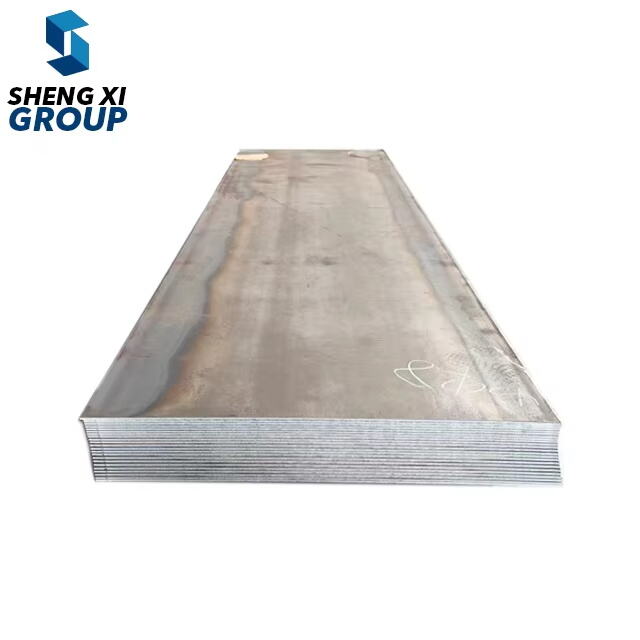
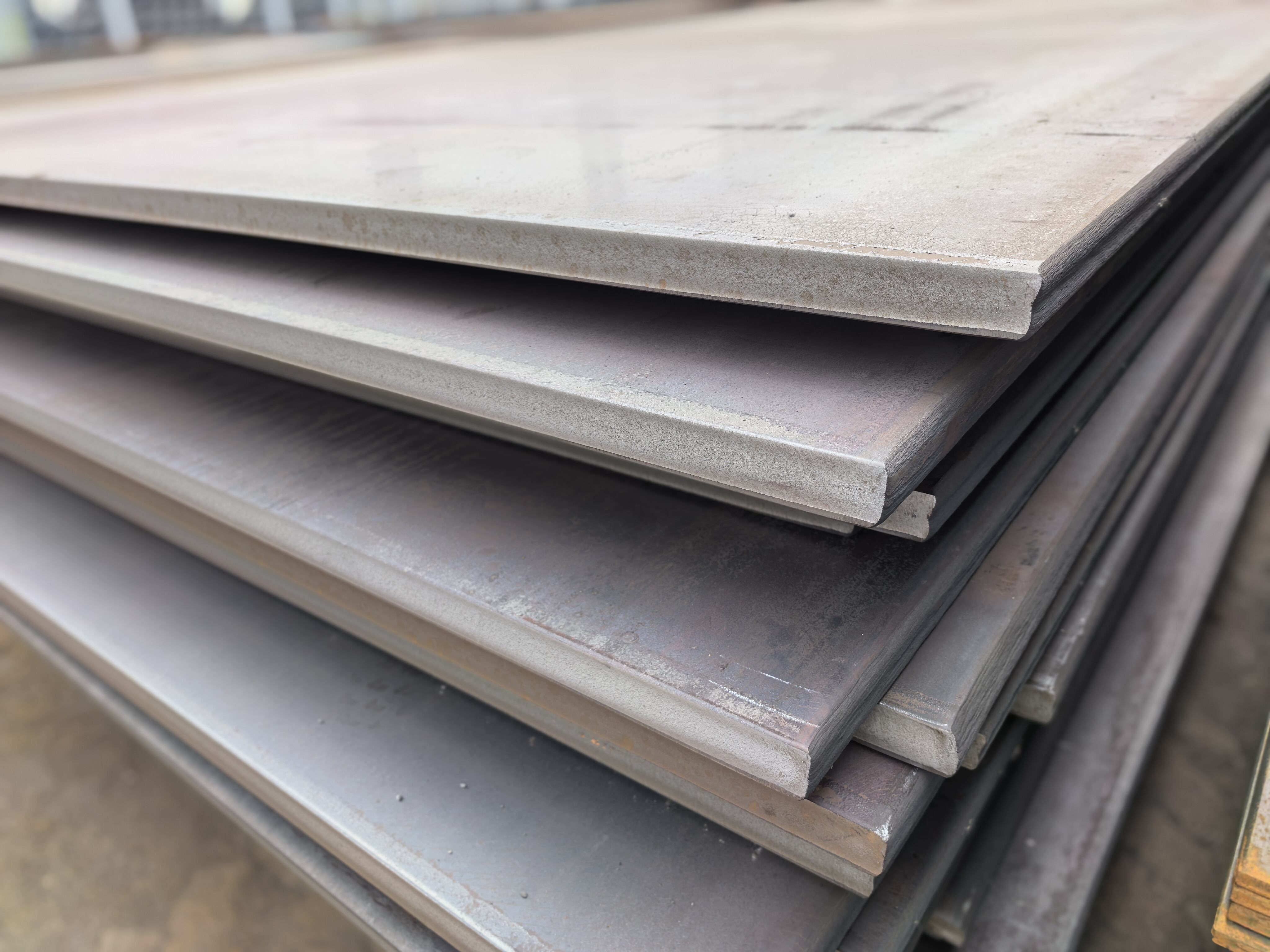
high speed steel sheet
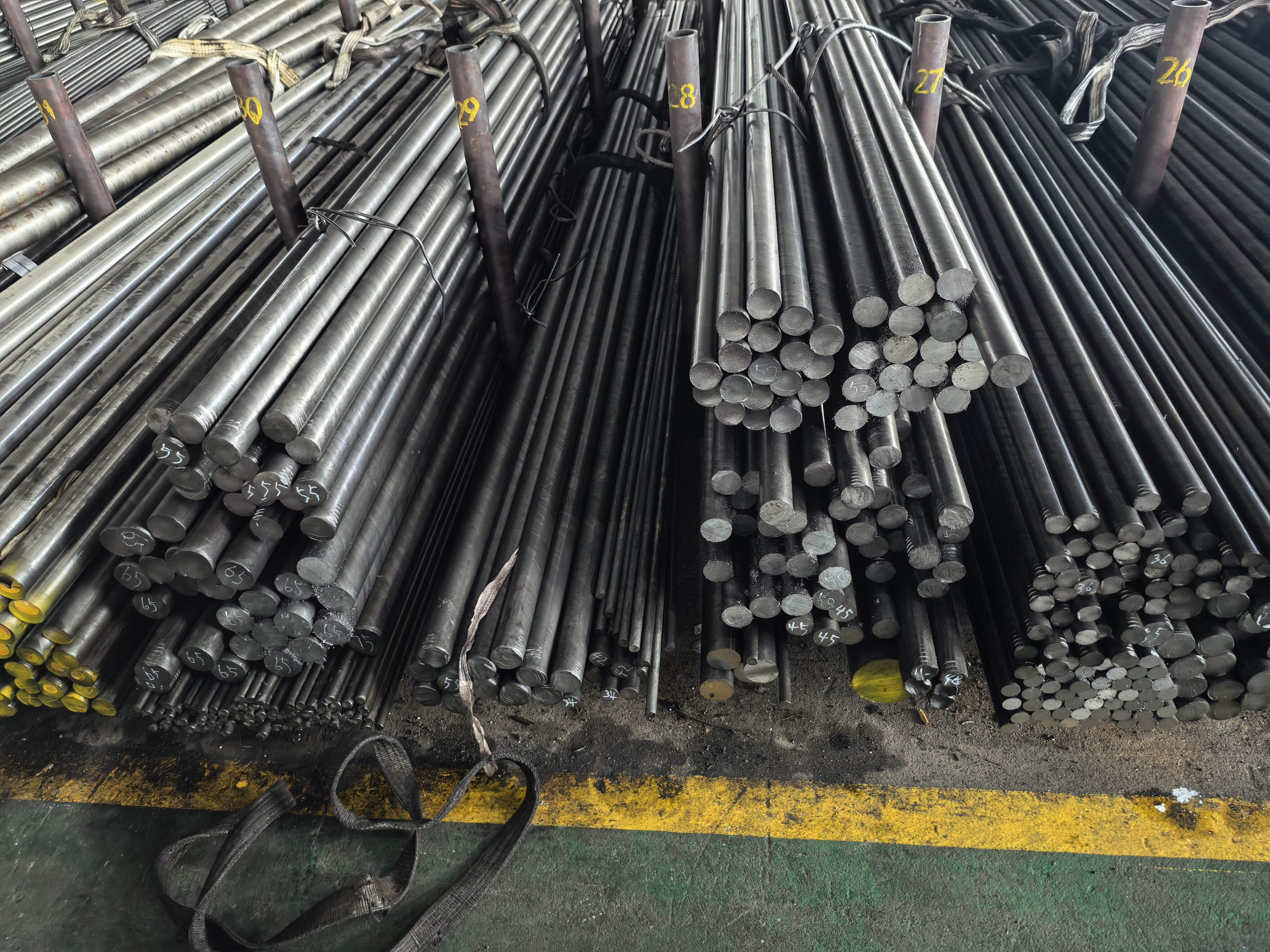
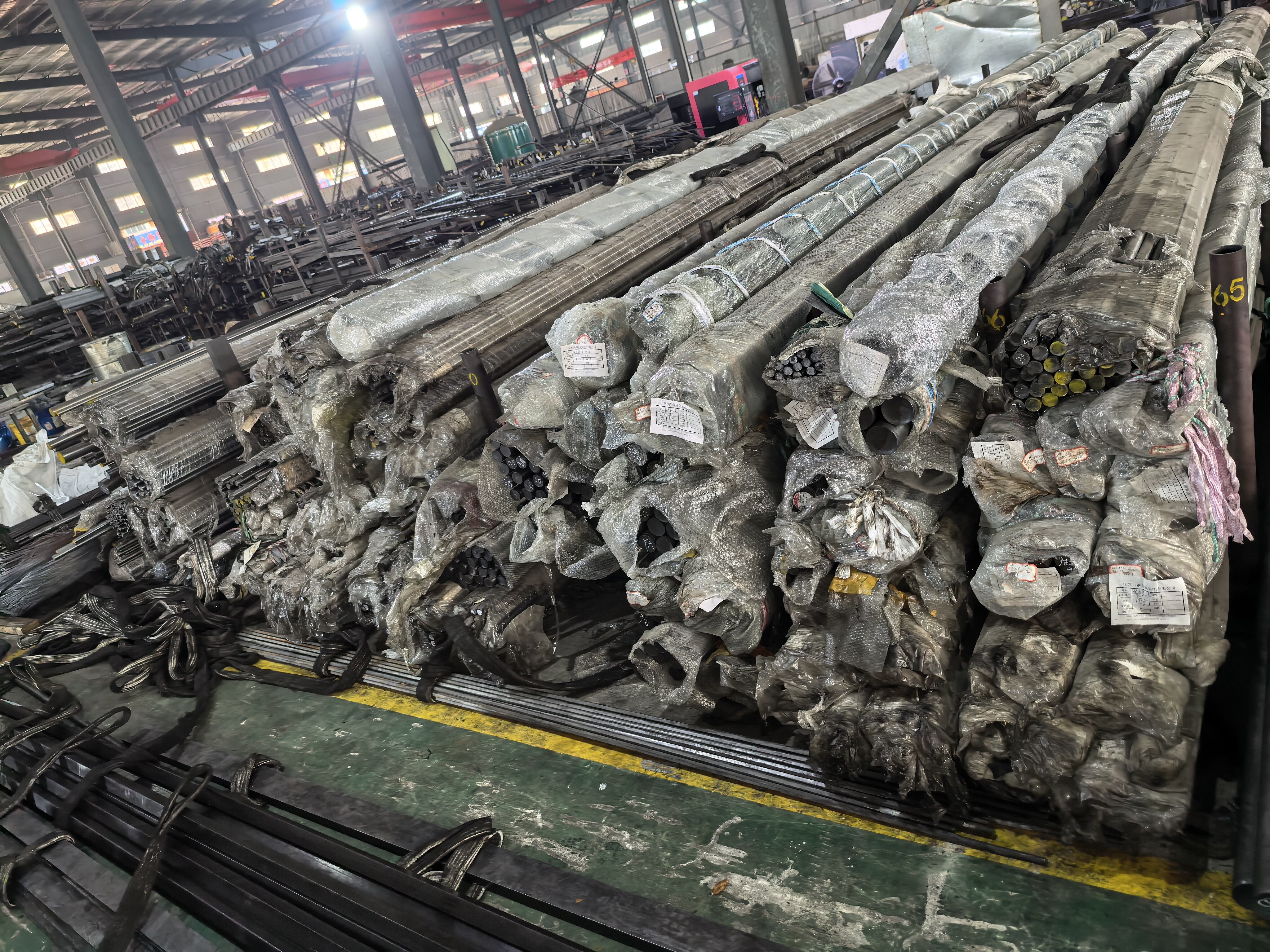
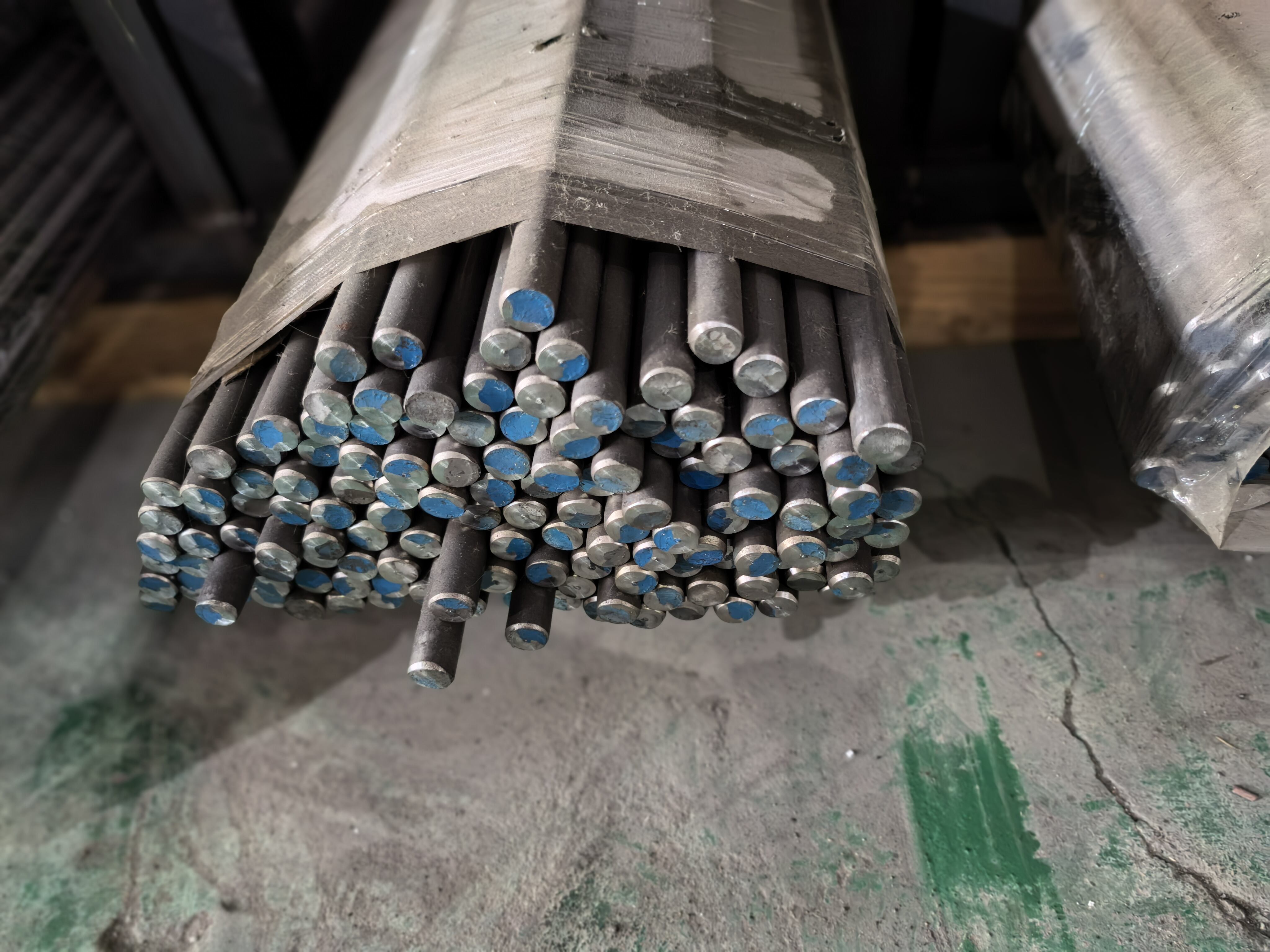
High speed steel sheet represents a premium metalworking material engineered for demanding industrial applications requiring exceptional performance characteristics. This advanced steel alloy incorporates tungsten, molybdenum, vanadium, and chromium elements that create superior hardness, wear resistance, and heat tolerance properties. Manufacturing processes involve precise heat treatment cycles that optimize the crystalline structure, resulting in a high speed steel sheet capable of maintaining sharp cutting edges and structural integrity under extreme operating conditions. The material exhibits remarkable red hardness, meaning it retains cutting ability even when heated to temperatures exceeding 600°C during high-velocity machining operations. Industrial sectors rely on high speed steel sheet for producing cutting tools, drill bits, saw blades, and precision components where durability matters most. The metallurgical composition enables consistent performance across temperature variations, making this steel sheet ideal for applications involving rapid heating and cooling cycles. Quality control measures ensure each high speed steel sheet meets stringent specifications for chemical composition, dimensional accuracy, and surface finish. Modern production techniques incorporate vacuum melting and powder metallurgy methods that eliminate impurities and create uniform grain structures throughout the material. These manufacturing advances result in high speed steel sheet products with enhanced toughness, reduced brittleness, and improved machinability compared to conventional steel alternatives. The versatility of high speed steel sheet extends beyond traditional tooling applications, finding use in specialized components for aerospace, automotive, and precision manufacturing industries. Surface treatments and coatings can further enhance the performance characteristics, providing additional corrosion resistance or specialized surface properties for specific applications.

 EN
EN