High-Performance Hard Steel Plate Solutions - Superior Durability and Wear Resistance

All Categories

hard steel plate

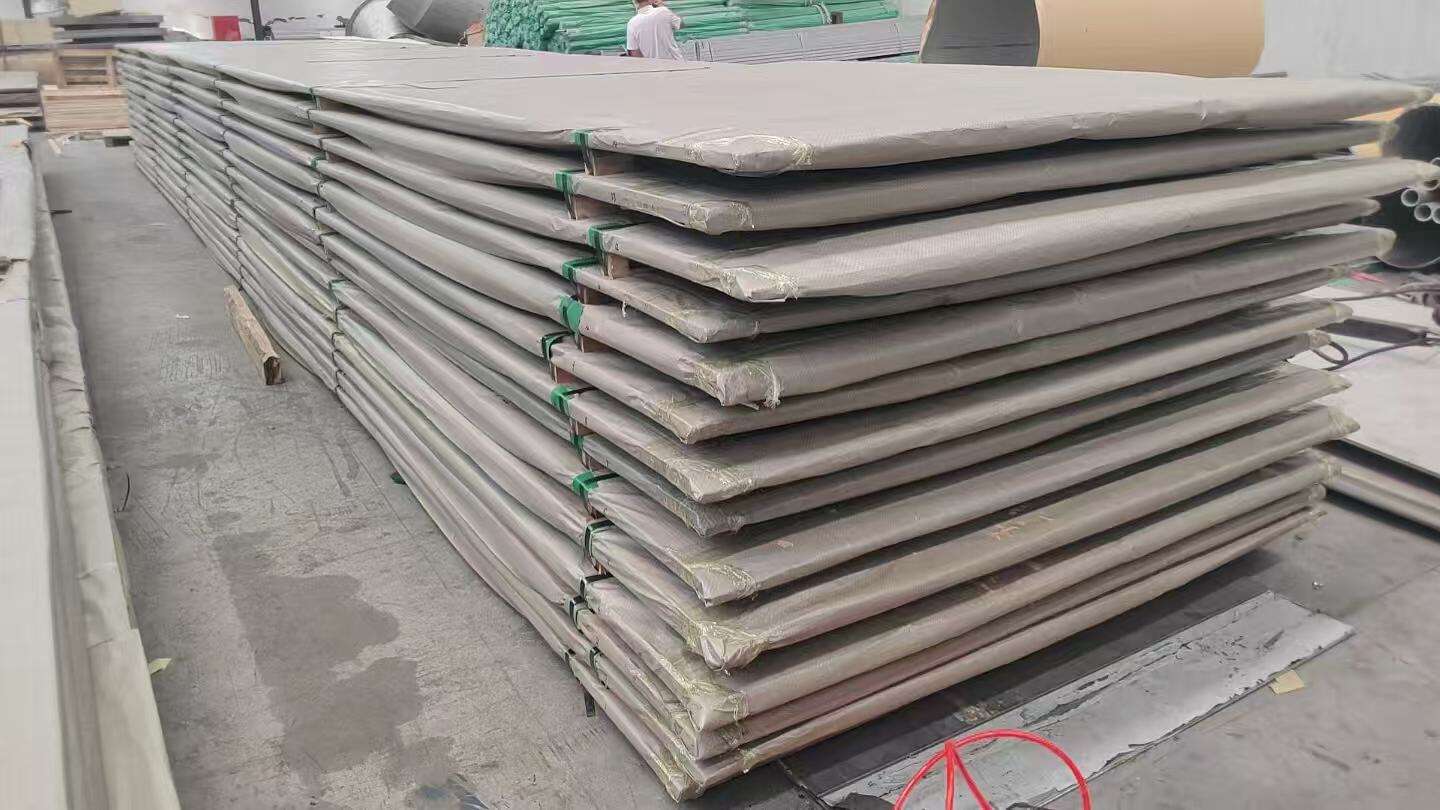
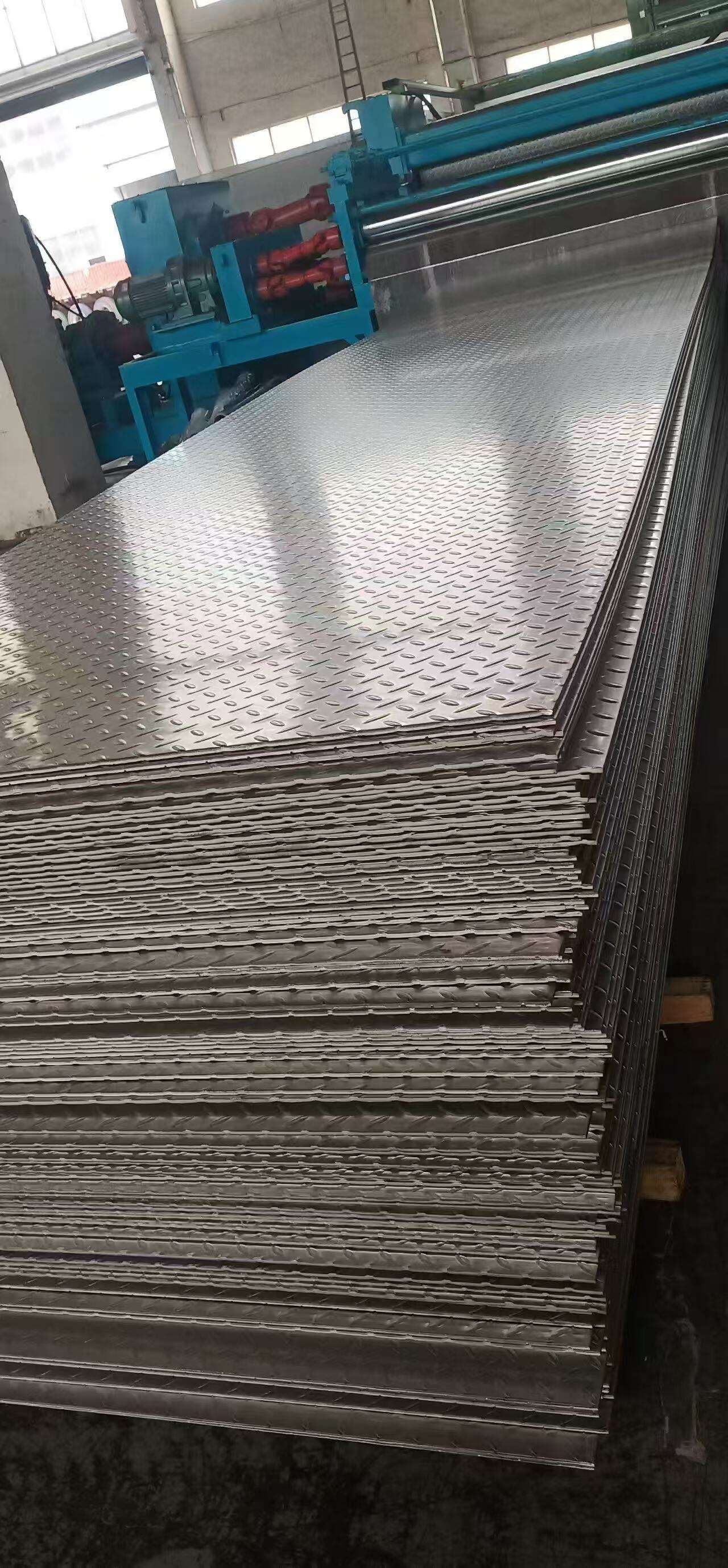
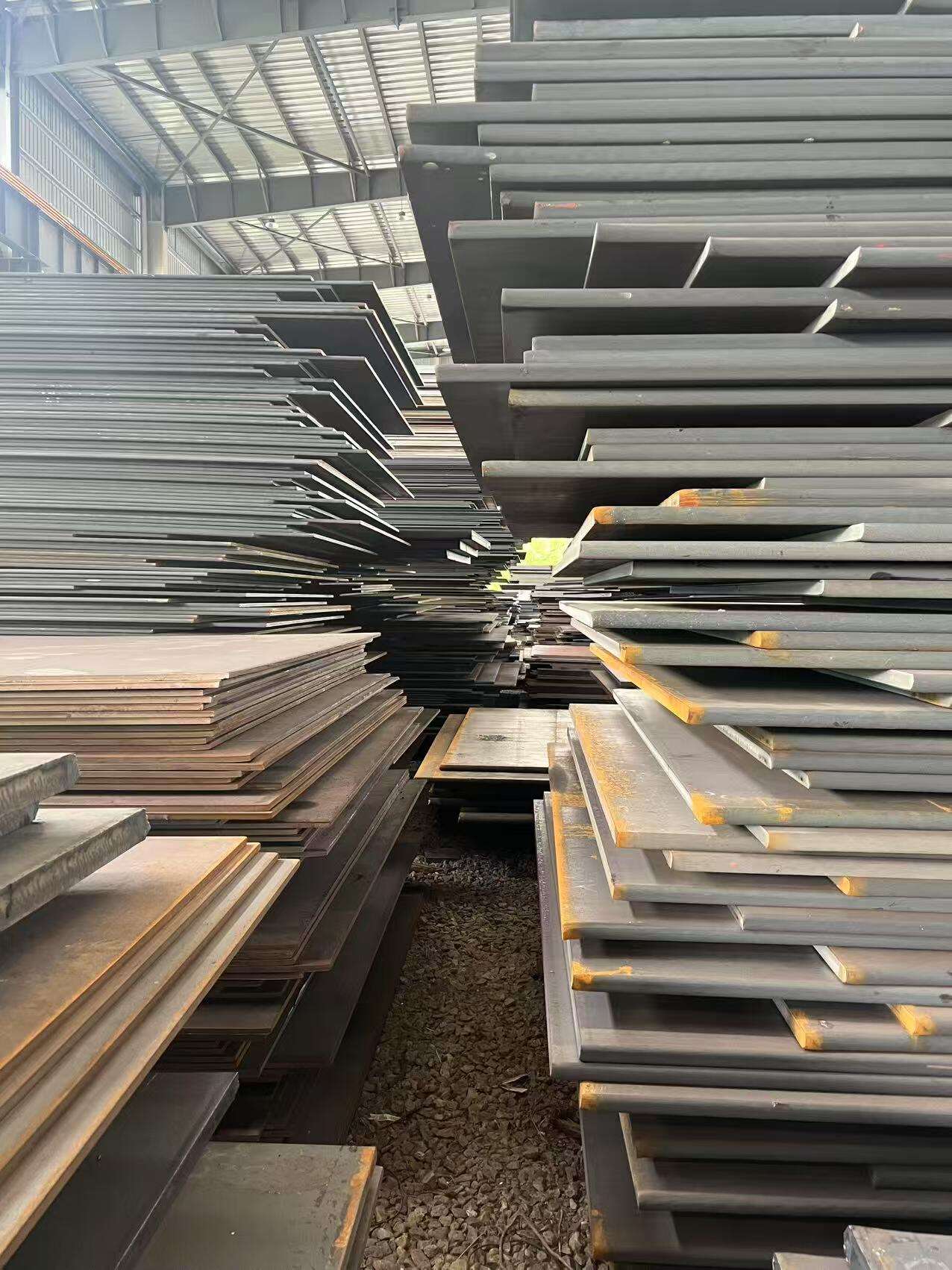
Hard steel plate represents one of the most versatile and durable materials in modern industrial applications, offering exceptional strength and reliability across numerous sectors. This specialized steel product undergoes rigorous manufacturing processes that enhance its mechanical properties, making it an ideal choice for demanding environments where standard materials would fail. The hard steel plate achieves its superior characteristics through controlled heat treatment, precise alloying, and advanced metallurgical techniques that transform ordinary steel into a high-performance material capable of withstanding extreme conditions. The manufacturing process begins with carefully selected raw materials that are melted and refined to achieve optimal chemical composition. During production, the hard steel plate undergoes controlled cooling and tempering processes that create a refined grain structure, resulting in enhanced hardness levels typically ranging from 400 to 600 HB depending on the specific grade and application requirements. This hardness rating significantly exceeds that of conventional steel plates, providing superior resistance to wear, impact, and deformation. The technological features of hard steel plate include excellent weldability, machinability, and formability, allowing manufacturers to shape and modify the material according to specific project needs. Advanced surface treatments can be applied to further enhance corrosion resistance and extend service life. The plate maintains consistent properties throughout its thickness, ensuring reliable performance even under extreme stress conditions. Quality control measures during production include comprehensive testing for chemical composition, mechanical properties, and dimensional accuracy. Applications for hard steel plate span across mining equipment, construction machinery, agricultural implements, industrial wear parts, and protective armor systems. In the mining industry, these plates serve as liners for crushing equipment, conveyor systems, and material handling components where abrasive materials cause rapid wear. Construction equipment manufacturers rely on hard steel plate for bucket teeth, cutting edges, and structural components that face constant impact and abrasion. The agricultural sector utilizes this material for plow shares, tillage tools, and harvesting equipment components that must maintain sharp edges while resisting soil abrasion.


New Products

Hard steel plate delivers exceptional value through its superior durability that significantly reduces replacement costs and maintenance downtime for businesses across various industries. Companies investing in hard steel plate experience extended equipment life cycles, with some applications showing service life improvements of 300 to 500 percent compared to standard steel alternatives. This remarkable longevity translates directly into cost savings, as businesses spend less on frequent part replacements and associated labor costs. The enhanced wear resistance of hard steel plate stems from its optimized microstructure and carefully controlled hardness levels that resist abrasive forces effectively. Manufacturing facilities benefit from reduced production interruptions since equipment components made from hard steel plate maintain their dimensional stability and performance characteristics throughout extended operating periods. The material's ability to retain sharp cutting edges makes it particularly valuable in agricultural and earthmoving applications where blade efficiency directly impacts productivity and fuel consumption. Fabrication advantages include excellent weldability properties that allow manufacturers to join hard steel plate components using standard welding techniques without compromising the material's hardness characteristics in heat-affected zones. This weldability ensures that complex assemblies can be constructed efficiently while maintaining structural integrity and performance standards. The plate's consistent hardness distribution eliminates weak spots that could lead to premature failure, providing engineers with confidence in their design calculations and safety margins. Machining operations benefit from the material's predictable cutting characteristics, allowing for precise dimensional control and surface finish requirements. Heat treatment responsiveness enables manufacturers to adjust hardness levels post-fabrication when specific applications demand customized properties. Environmental advantages emerge from the material's recyclability and reduced resource consumption over its extended service life. The longer replacement intervals associated with hard steel plate components reduce the environmental impact of manufacturing, transportation, and disposal activities. Energy efficiency improvements result from maintaining optimal equipment performance throughout the service life, as worn components typically consume more energy to achieve the same output levels. Cost-effectiveness extends beyond initial material savings to include reduced inventory requirements, simplified maintenance scheduling, and improved operational predictability. Businesses report significant improvements in overall equipment effectiveness when upgrading to hard steel plate components, with measured increases in availability, performance rates, and quality output. The material's versatility allows single-grade solutions for multiple applications, simplifying procurement processes and reducing inventory complexity for maintenance departments.

Practical Tips

The Advantages of High Strength Steel

27

Aug

The Advantages of High Strength Steel

Understanding the Revolution in Modern Steel Manufacturing High strength steel has emerged as a cornerstone material in modern engineering and construction, fundamentally transforming how we build everything from skyscrapers to automobiles. This rema...
View More
What Is Cr-Mo Steel and Why It Matters

27

Aug

What Is Cr-Mo Steel and Why It Matters

Understanding the Revolutionary Alloy That Powers Modern Industry In the evolving landscape of metallurgy, Cr-Mo steel stands as a testament to human innovation in material science. This remarkable alloy, combining chromium and molybdenum with steel,...
View More
Application fields of high-strength steel

22

Sep

Application fields of high-strength steel

The Evolution of Advanced Steel Technology High-strength steel has revolutionized modern manufacturing and construction, offering unprecedented combinations of durability, weight savings, and cost-effectiveness. As industries push the boundaries of m...
View More
How to select appropriate high-temperature alloys

22

Sep

How to select appropriate high-temperature alloys

Understanding the Critical Role of Heat-Resistant Materials in Modern Industry High-temperature alloys represent a crucial category of engineering materials that enable numerous industrial processes and applications where standard metals would fail. ...
View More

Get a Free Quote

Our representative will contact you soon.
Email
Name
Company Name
Message
0/1000

hard steel plate

Unmatched Wear Resistance and Durability Performance

Unmatched Wear Resistance and Durability Performance

The exceptional wear resistance of hard steel plate sets it apart as the premium choice for applications where material degradation poses significant operational challenges and cost implications. This superior performance stems from the material's carefully engineered microstructure that combines high hardness levels with maintained toughness, creating an optimal balance for resisting various forms of wear including abrasion, impact, and erosion. The manufacturing process creates a refined grain structure through controlled cooling and tempering that maximizes the material's ability to resist deformation and surface degradation under extreme operating conditions. Laboratory testing consistently demonstrates that hard steel plate outperforms conventional materials by factors of three to five times in standardized wear tests, translating to dramatic improvements in real-world applications. Mining operations utilizing hard steel plate for crusher liners and conveyor components report service life extensions that dramatically reduce maintenance costs and production downtime. The material's ability to maintain its protective properties throughout its thickness ensures consistent performance even as surface layers experience wear, unlike surface-hardened alternatives that lose effectiveness once the hardened layer is compromised. Construction equipment manufacturers have documented significant improvements in bucket life and cutting edge performance when switching to hard steel plate components, with some applications showing operational improvements exceeding 400 percent compared to standard steel alternatives. Agricultural implement manufacturers particularly value the material's ability to maintain sharp cutting edges throughout extended field operations, reducing fuel consumption and improving crop processing efficiency. The wear resistance characteristics remain stable across varying temperature ranges, ensuring reliable performance in both extreme cold and high-temperature applications. This temperature stability proves crucial for equipment operating in diverse climatic conditions or processes involving thermal cycling. Quality control during manufacturing ensures consistent wear resistance properties throughout each plate, eliminating performance variations that could compromise equipment reliability. Advanced metallurgical analysis confirms that the optimized chemical composition and heat treatment processes create uniform hardness distribution that maximizes wear resistance while maintaining the structural integrity required for demanding applications.
Superior Strength-to-Weight Ratio and Structural Integrity

Superior Strength-to-Weight Ratio and Structural Integrity

Hard steel plate delivers exceptional structural performance through its optimized strength-to-weight ratio that enables engineers to design lighter, more efficient equipment without compromising safety margins or operational capability. The advanced metallurgical properties achieved through precise heat treatment and alloying create a material structure that maximizes load-bearing capacity while minimizing material thickness requirements. This optimization proves particularly valuable in mobile equipment applications where weight reduction directly impacts fuel efficiency, transportation costs, and operational mobility. Structural engineers consistently choose hard steel plate for critical load-bearing components because its predictable mechanical properties allow for precise stress calculations and confident design optimization. The material's high tensile strength, typically exceeding 1200 MPa in harder grades, combined with excellent impact resistance ensures reliable performance under dynamic loading conditions common in heavy machinery applications. Fatigue resistance properties enable hard steel plate components to withstand millions of stress cycles without developing crack initiation sites that could lead to catastrophic failures. This exceptional fatigue life proves essential in applications such as mining equipment and construction machinery where components experience repetitive loading throughout their operational lives. The material's structural integrity remains consistent across varying environmental conditions, maintaining its mechanical properties despite exposure to temperature fluctuations, humidity variations, and corrosive atmospheres. Dimensional stability under load ensures that hard steel plate components maintain precise tolerances throughout their service life, eliminating performance degradation associated with deformation or permanent set. Manufacturing quality control processes verify that each plate meets stringent strength requirements through comprehensive tensile testing, impact testing, and hardness verification across multiple locations. The uniform strength distribution throughout the plate thickness allows designers to optimize material usage while maintaining required safety factors for critical applications. Welding compatibility ensures that structural assemblies maintain their strength characteristics at joint locations, enabling complex fabrications without strength reduction concerns. Field performance data from construction and mining operations confirms that hard steel plate components consistently meet or exceed design load requirements throughout their extended service lives, providing operators with confidence in equipment reliability and safety margins.
Cost-Effective Long-Term Value and Operational Efficiency

Cost-Effective Long-Term Value and Operational Efficiency

The economic advantages of hard steel plate extend far beyond initial material costs, delivering substantial long-term value through reduced maintenance expenses, extended replacement intervals, and improved operational efficiency that significantly impacts total cost of ownership. Financial analysis consistently demonstrates that the higher initial investment in hard steel plate components generates return on investment within the first year of operation for most applications, with continued savings accumulating throughout the extended service life. Manufacturing facilities report dramatic reductions in unplanned downtime when upgrading to hard steel plate components, as the material's reliability eliminates many failure modes associated with conventional alternatives. Maintenance departments experience reduced workload and spare parts inventory requirements, allowing resources to be redirected toward value-adding activities rather than reactive repairs and frequent component replacements. The predictable service life of hard steel plate enables accurate maintenance scheduling and budget planning, eliminating the uncertainty and emergency procurement costs associated with premature component failures. Equipment operators benefit from consistent performance throughout the service life, as hard steel plate components maintain their operational characteristics without the gradual degradation typical of softer materials. Fuel efficiency improvements result from maintained equipment geometry and reduced friction losses as components retain their designed profiles throughout extended operating periods. Production efficiency gains emerge from reduced maintenance interruptions and consistent equipment performance that enables operations to maintain planned output schedules without weather-related delays or equipment breakdowns. Supply chain advantages include simplified procurement processes as fewer replacement parts are required, reducing inventory carrying costs and obsolescence risks associated with maintaining extensive spare parts inventories. Quality improvements in end products often result from using hard steel plate components, as the material's consistency and durability ensure stable processing conditions that eliminate variations caused by worn or damaged equipment. Environmental benefits contribute to operational cost reductions through decreased material consumption, reduced transportation requirements for replacement parts, and extended intervals between equipment overhauls. Insurance and liability advantages may result from improved safety records associated with more reliable equipment performance, potentially reducing premiums and regulatory compliance costs. The material's versatility enables standardization across multiple applications, simplifying maintenance training requirements and reducing the complexity of spare parts management while maximizing purchasing power through volume commitments.
High-Performance Hard Steel Plate Solutions - Superior Durability and Wear Resistance

Get a Free Quote

Our representative will contact you soon.
Email
Name
Company Name
Message
0/1000