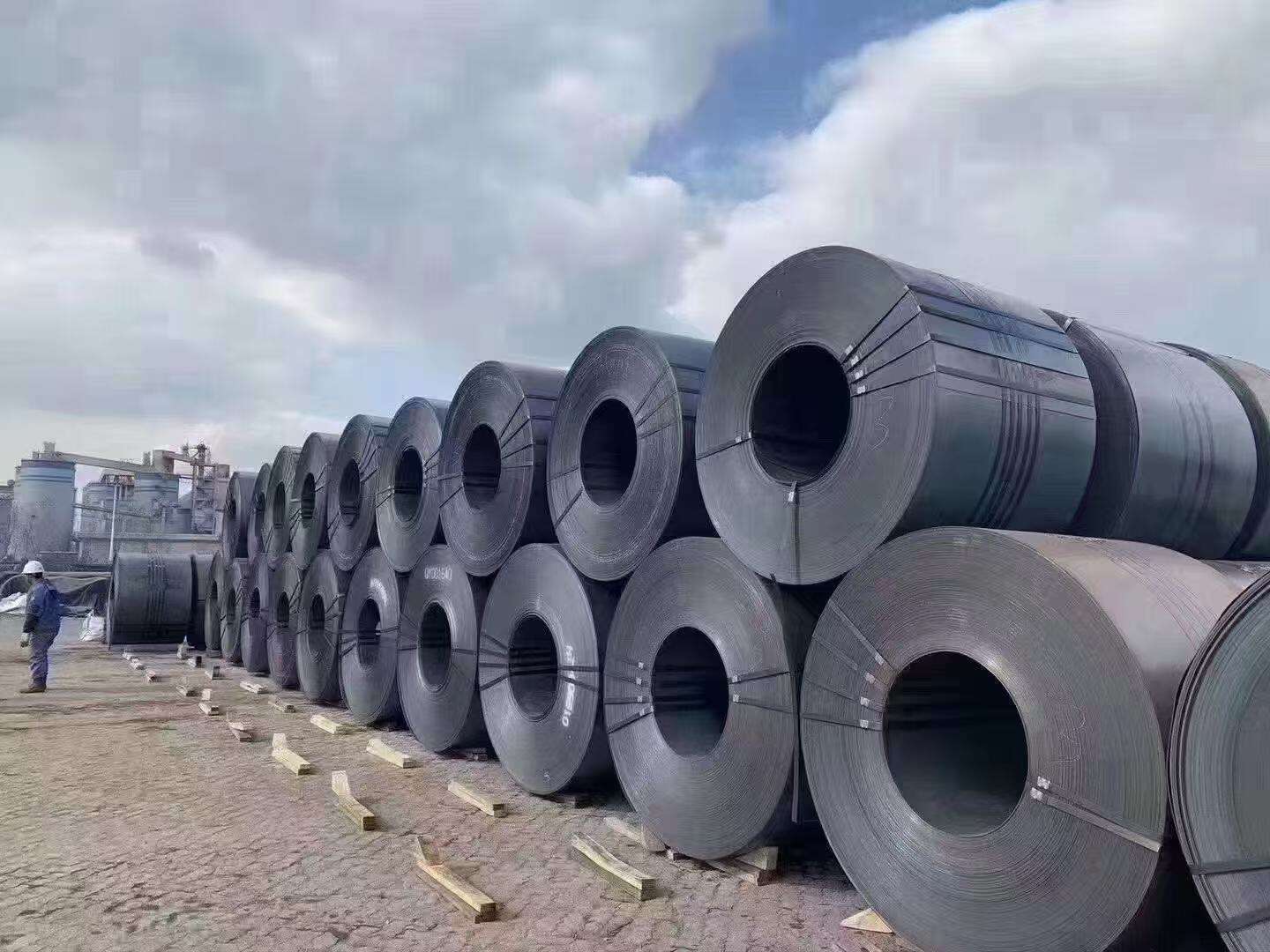
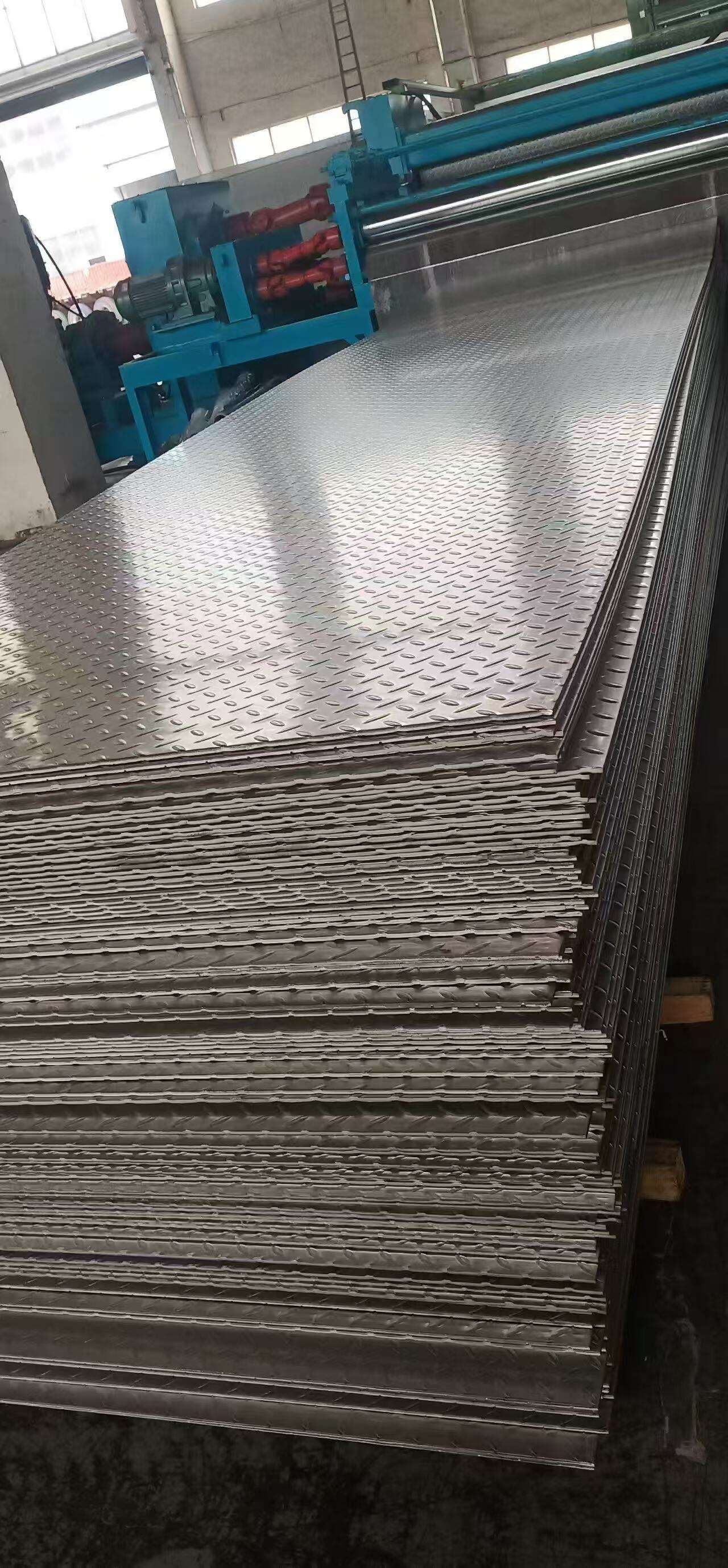
Premium Thin Steel Plate Solutions - Lightweight, Durable & Cost-Effective Manufacturing Materials

All Categories

thin steel plate

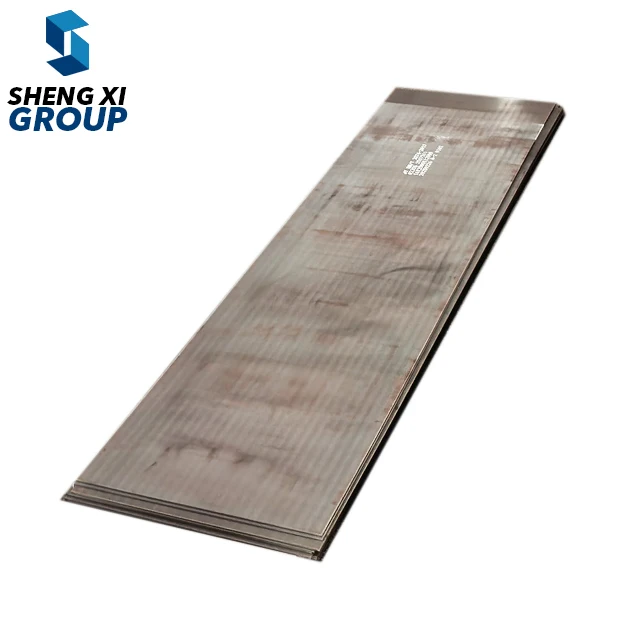
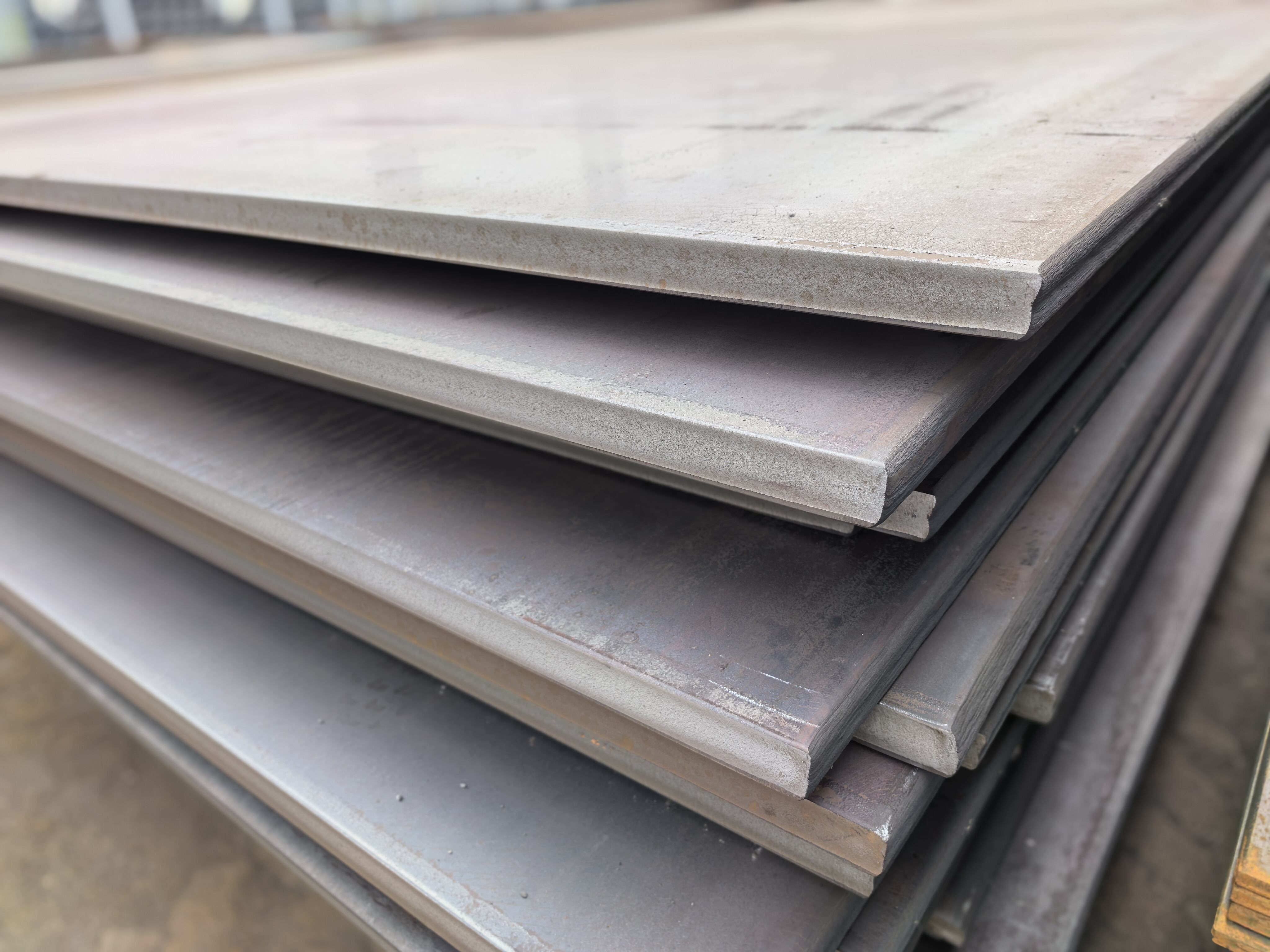
Thin steel plate represents a versatile and essential material in modern manufacturing and construction industries. This specialized steel product typically measures between 0.5mm to 6mm in thickness, making it significantly thinner than standard steel plates while maintaining exceptional structural integrity. The thin steel plate undergoes precision rolling processes that create uniform thickness throughout its surface, ensuring consistent performance across various applications. Manufacturing techniques for thin steel plate involve controlled temperature settings and multiple rolling passes that compress the material to exact specifications. The steel composition includes carefully balanced carbon content, which determines the plate's strength characteristics and formability. Advanced production methods incorporate quality control measures that monitor surface finish, dimensional accuracy, and mechanical properties throughout the manufacturing process. The thin steel plate exhibits remarkable flexibility compared to thicker alternatives, allowing manufacturers to shape and form the material into complex geometries without compromising strength. Surface treatments applied to thin steel plate include galvanizing, powder coating, and specialized finishes that enhance corrosion resistance and aesthetic appeal. The material's lightweight nature reduces transportation costs and simplifies handling procedures during installation and assembly processes. Technological innovations in thin steel plate production have resulted in improved yield strength, enhanced ductility, and superior surface quality that meets stringent industry standards. The manufacturing process utilizes state-of-the-art equipment that ensures precise thickness control and eliminates surface defects that could compromise performance. Quality assurance protocols verify that each thin steel plate meets specific mechanical properties, including tensile strength, elongation values, and hardness requirements that determine suitability for intended applications.

New Product Recommendations

The thin steel plate offers numerous practical benefits that make it an ideal choice for diverse industrial applications. Cost efficiency represents a primary advantage, as the reduced material thickness translates directly into lower raw material expenses without sacrificing essential performance characteristics. Manufacturing companies achieve significant savings on transportation costs due to the lightweight properties of thin steel plate, which allows for larger quantities to be shipped while staying within weight restrictions. Installation processes become more streamlined and efficient because thin steel plate requires less heavy machinery and fewer personnel to handle and position during assembly operations. The material's excellent formability enables manufacturers to create complex shapes and intricate designs that would be challenging or impossible with thicker steel alternatives. Fabrication processes benefit from reduced energy consumption during cutting, welding, and shaping operations, as thin steel plate requires less power to modify and work with standard equipment. Welding operations proceed more quickly and with better penetration characteristics, resulting in stronger joints and reduced production time. The thin steel plate demonstrates superior surface finish quality that often eliminates the need for additional processing steps, saving both time and money in production workflows. Corrosion resistance properties can be enhanced through various coating applications that adhere more effectively to the smooth, uniform surface of thin steel plate. Structural applications benefit from the material's high strength-to-weight ratio, which provides adequate load-bearing capacity while minimizing overall structure weight. Environmental considerations favor thin steel plate usage as it requires fewer raw materials during production and generates less waste during manufacturing processes. Recycling advantages include easier processing due to reduced thickness and faster melting times in recycling facilities. Precision applications benefit from the tight tolerance capabilities achievable with thin steel plate manufacturing processes. Storage and inventory management become more efficient as thin steel plate occupies less warehouse space while providing equivalent coverage area compared to thicker alternatives. The material's versatility allows for use across multiple industries, providing procurement advantages through consolidated sourcing strategies.

Tips And Tricks

Application of Different Types of Mould Steel

08

Jul

Application of Different Types of Mould Steel

Introduction to Mould Steel Fundamentals Mould steel stands out as one of those essential materials found throughout manufacturing sectors where it plays a key part in making all sorts of molds and dies. What makes this stuff special? Well, manufac...
View More
Types and Applications of Special Steel

08

Jul

Types and Applications of Special Steel

Understanding Special Steel Fundamentals Special steel stands out in industries where strength and lasting power matter most. What makes it different from regular steel? Well, manufacturers design special steel for particular jobs, giving it qualit...
View More
How to Improve the Quality of Steel by Cold Rolling

08

Jul

How to Improve the Quality of Steel by Cold Rolling

Understanding Cold Rolling's Role in Steel Quality Cold rolling stands out as a manufacturing technique where steel gets compressed between rollers at normal temperatures rather than being heated first. When compared to hot rolling processes that w...
View More
Development trends of high-strength steel

22

Sep

Development trends of high-strength steel

The Evolution of Advanced Steel Manufacturing The metallurgical industry has witnessed a remarkable transformation in recent decades, with high-strength steel emerging as a cornerstone of modern manufacturing. This innovative material has revolutioni...
View More

Get a Free Quote

Our representative will contact you soon.
Email
Name
Company Name
Message
0/1000

thin steel plate

Superior Strength-to-Weight Performance

Superior Strength-to-Weight Performance

The thin steel plate delivers exceptional strength-to-weight performance that revolutionizes structural design possibilities across multiple industries. This remarkable characteristic stems from advanced metallurgical processes that optimize the steel's grain structure while maintaining minimal thickness parameters. Engineers and designers benefit from the ability to create lightweight structures that maintain rigorous load-bearing requirements without the bulk associated with traditional steel materials. The strength-to-weight ratio of thin steel plate often exceeds that of thicker alternatives due to refined manufacturing techniques that eliminate internal stress concentrations and create uniform density throughout the material cross-section. Construction projects utilizing thin steel plate achieve significant reductions in foundation requirements, as the overall structural weight decreases substantially while maintaining necessary safety factors. Transportation infrastructure benefits enormously from this characteristic, as bridges, walkways, and support structures can span greater distances with fewer intermediate supports. The aerospace and automotive industries leverage this advantage to improve fuel efficiency while maintaining structural integrity in critical applications. Manufacturing equipment constructed with thin steel plate operates more efficiently due to reduced inertial loads and faster response times in dynamic applications. The material's strength characteristics remain consistent across temperature variations, ensuring reliable performance in diverse environmental conditions. Quality control measures during production verify that strength properties meet or exceed specified requirements through comprehensive testing protocols. The thin steel plate maintains its strength advantages even when subjected to forming operations, allowing complex geometries to retain structural integrity. This performance characteristic translates into longer service life for equipment and structures, providing excellent return on investment for end users. Engineering calculations benefit from predictable strength values that simplify design processes and reduce safety margin requirements.
Enhanced Workability and Fabrication Efficiency

Enhanced Workability and Fabrication Efficiency

The enhanced workability of thin steel plate represents a game-changing advantage for manufacturers and fabricators seeking to optimize production processes and reduce operational costs. This exceptional characteristic manifests through easier cutting, forming, and joining operations that require less specialized equipment and reduced processing time. Plasma cutting and laser cutting operations achieve superior edge quality with thin steel plate, eliminating secondary finishing operations and reducing production cycle times significantly. The material's excellent formability allows for tight bend radii and complex geometries that expand design possibilities while maintaining structural integrity throughout forming processes. Stamping and pressing operations benefit from reduced tonnage requirements, enabling the use of smaller, more energy-efficient equipment while achieving precise dimensional accuracy. Welding procedures become more controllable and predictable with thin steel plate, as heat input requirements decrease and penetration characteristics improve, resulting in stronger, more reliable joints. Fabrication shops experience increased productivity as thin steel plate processing requires fewer passes and reduced setup times compared to thicker materials. The material's consistent thickness and surface quality minimize preparation work, allowing welders and fabricators to begin productive operations immediately upon material receipt. Cold forming operations proceed smoothly without the spring-back issues commonly associated with thicker steel materials, ensuring dimensional accuracy and reducing rework requirements. Assembly processes benefit from improved fit-up characteristics, as thin steel plate components align more easily and require less adjustment during final positioning. Tool life extends significantly when working with thin steel plate, as cutting tools experience less wear and maintain sharpness longer due to reduced cutting forces. Quality control becomes more straightforward as defects are easier to detect and address in thin material compared to thicker alternatives. The workability advantages translate directly into cost savings through reduced labor hours, lower equipment operating costs, and improved material utilization rates.
Versatile Application Compatibility Across Industries

Versatile Application Compatibility Across Industries

The versatile application compatibility of thin steel plate makes it an indispensable material across diverse industries, from construction and manufacturing to transportation and consumer goods production. This adaptability stems from the material's unique combination of properties that satisfy varying performance requirements while maintaining cost-effectiveness across different use cases. Construction applications benefit enormously from thin steel plate's ability to serve as roofing material, wall cladding, and structural components that provide weather resistance and aesthetic appeal. The automotive industry utilizes thin steel plate for body panels, chassis components, and interior structures where weight reduction directly impacts fuel efficiency and performance characteristics. Manufacturing equipment applications leverage the material's precision capabilities for machine frames, conveyor systems, and protective enclosures that require exact dimensional stability. Electronics and telecommunications industries employ thin steel plate for equipment housings, rack systems, and electromagnetic shielding applications where precise tolerances and surface quality are critical requirements. Marine applications benefit from the material's corrosion resistance potential when properly treated, making it suitable for hull components, deck structures, and maritime equipment installations. Agricultural equipment manufacturers utilize thin steel plate for implement construction, storage containers, and processing equipment where durability and cost-effectiveness are primary concerns. The appliance industry relies on thin steel plate for refrigerator panels, washing machine components, and kitchen equipment where aesthetic appearance and forming capability are essential characteristics. Architectural applications showcase the material's design flexibility through decorative panels, sculptural elements, and building envelope systems that combine functional performance with visual appeal. Energy sector applications include solar panel mounting systems, wind turbine components, and power transmission equipment where lightweight construction and environmental resistance are crucial factors. The packaging industry benefits from thin steel plate's ability to form containers, closures, and protective packaging that maintains product integrity during storage and transportation. This broad application compatibility ensures consistent market demand and provides manufacturers with diverse revenue opportunities across multiple industry segments.
Premium Thin Steel Plate Solutions - Lightweight, Durable & Cost-Effective Manufacturing Materials

Get a Free Quote

Our representative will contact you soon.
Email
Name
Company Name
Message
0/1000