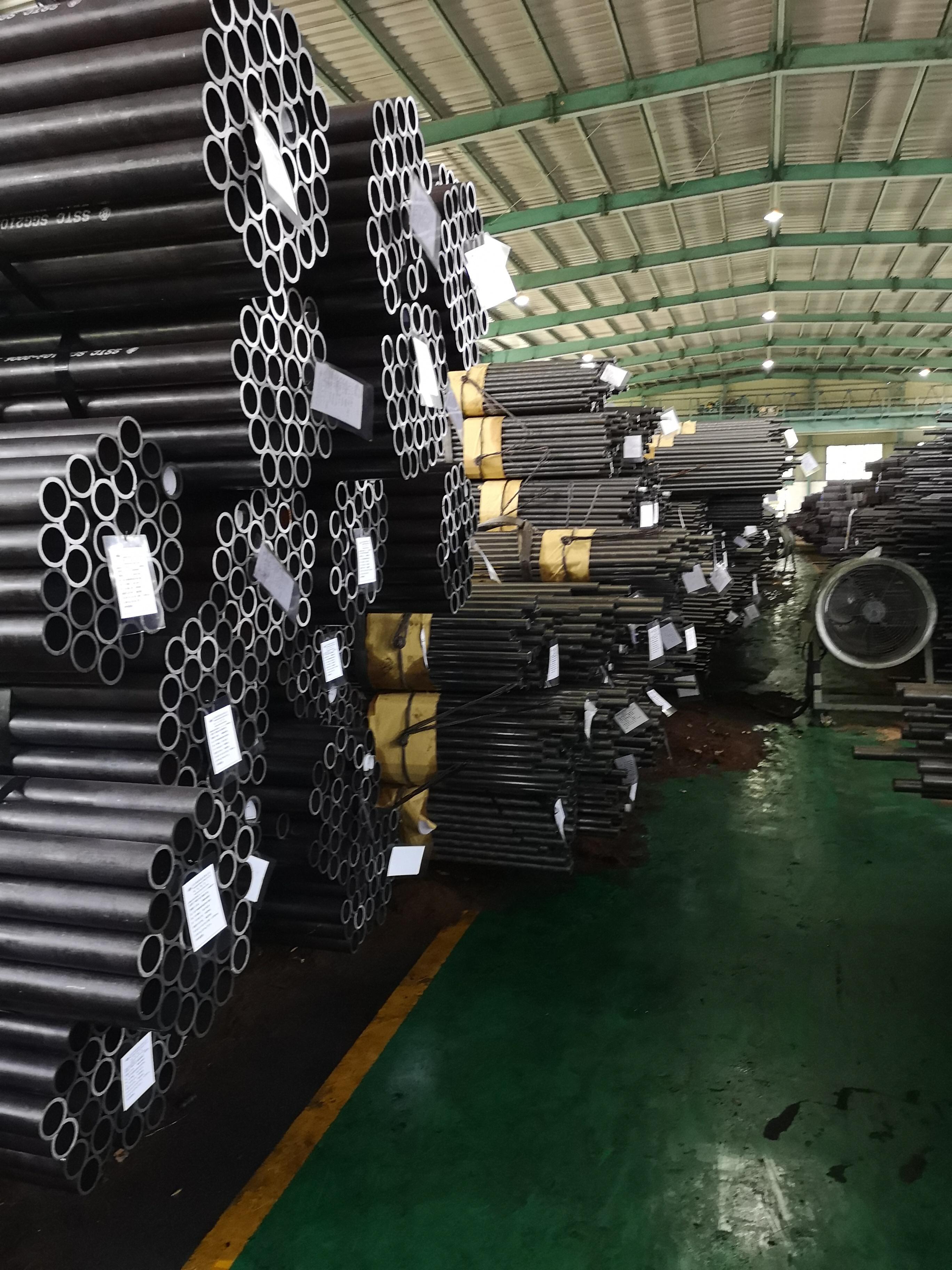
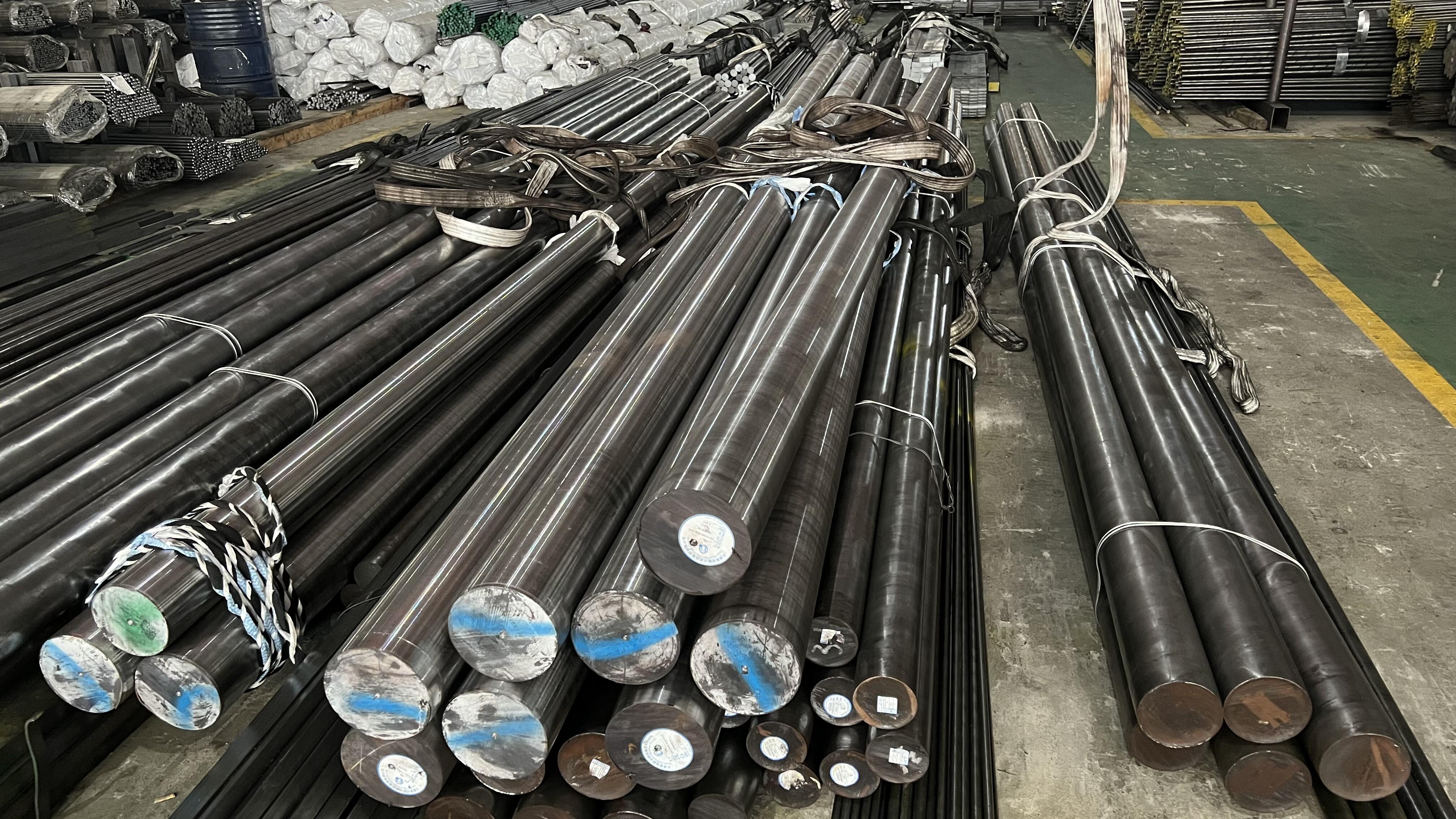
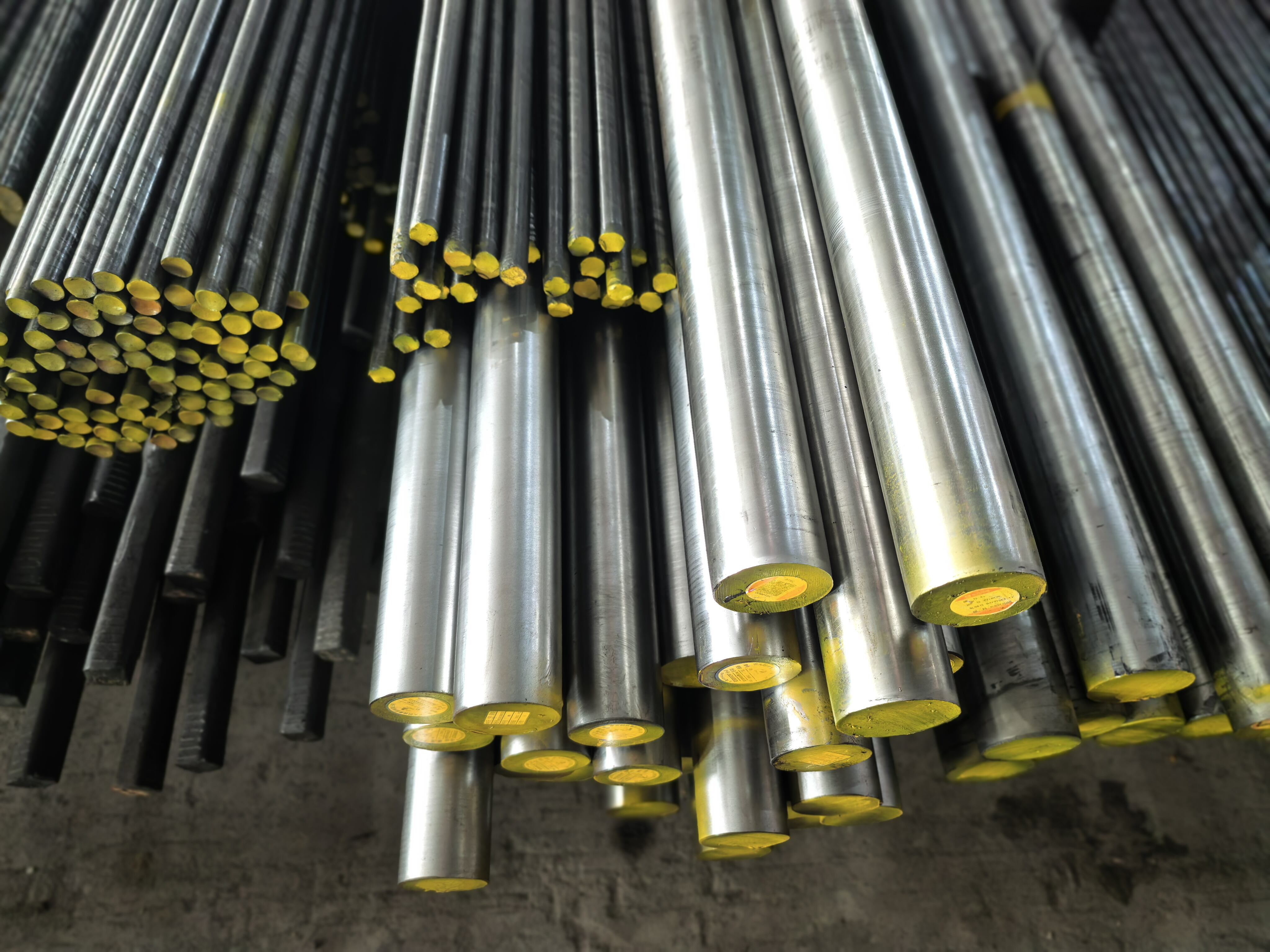
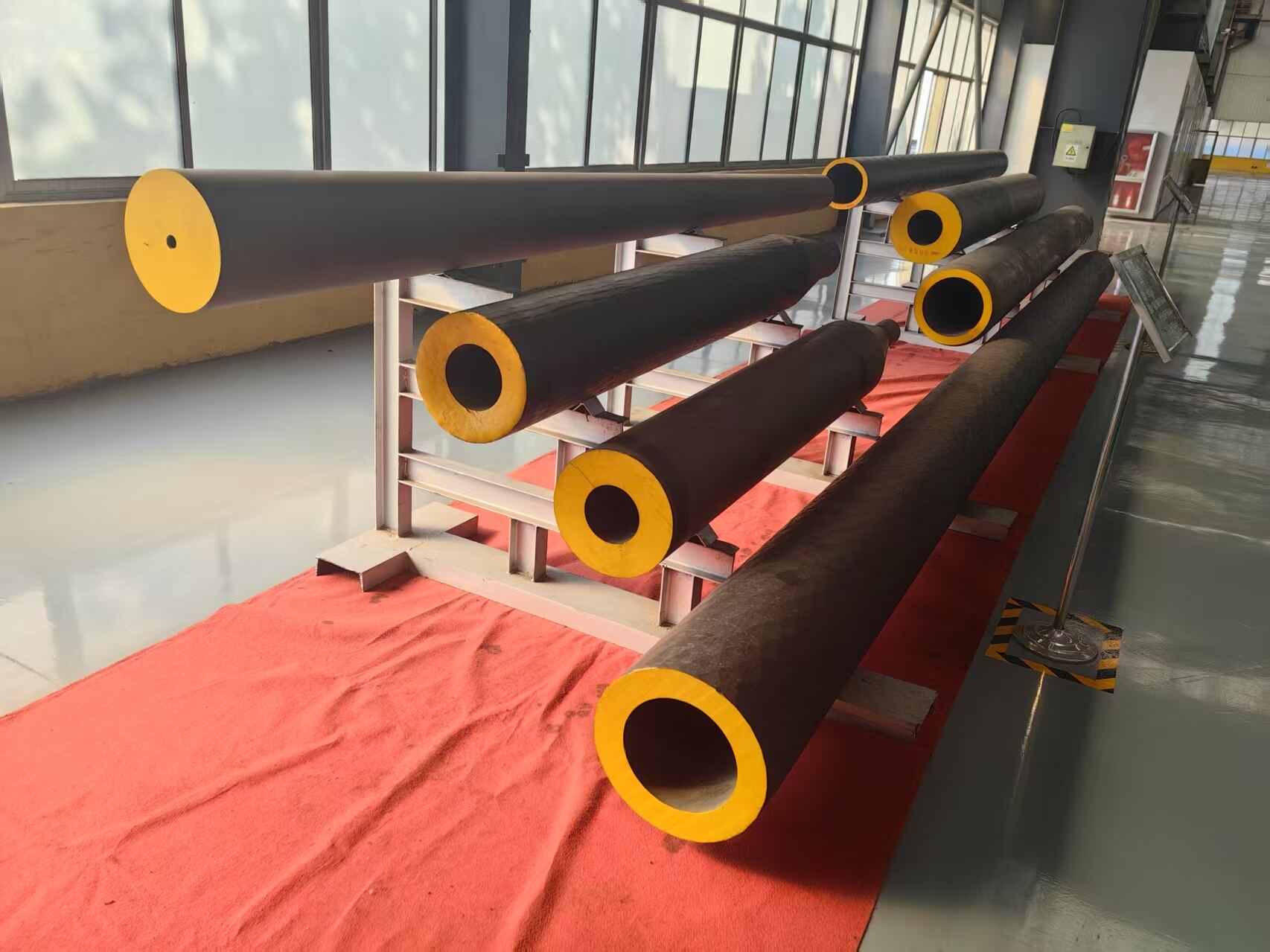
structural steel plate
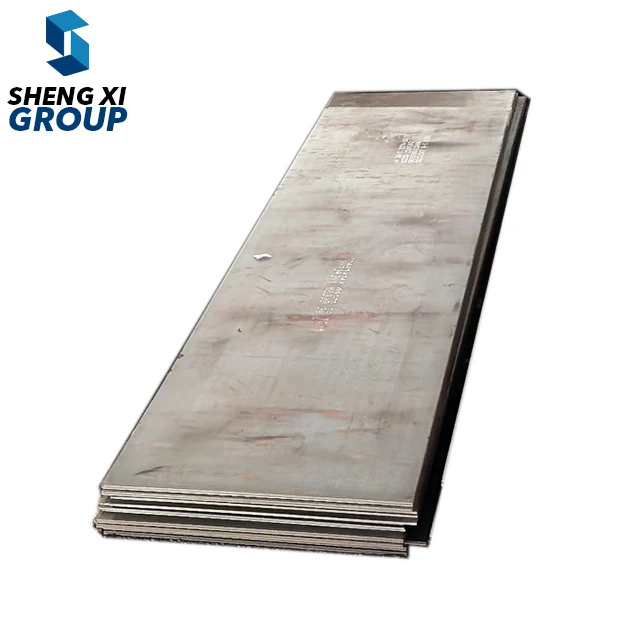
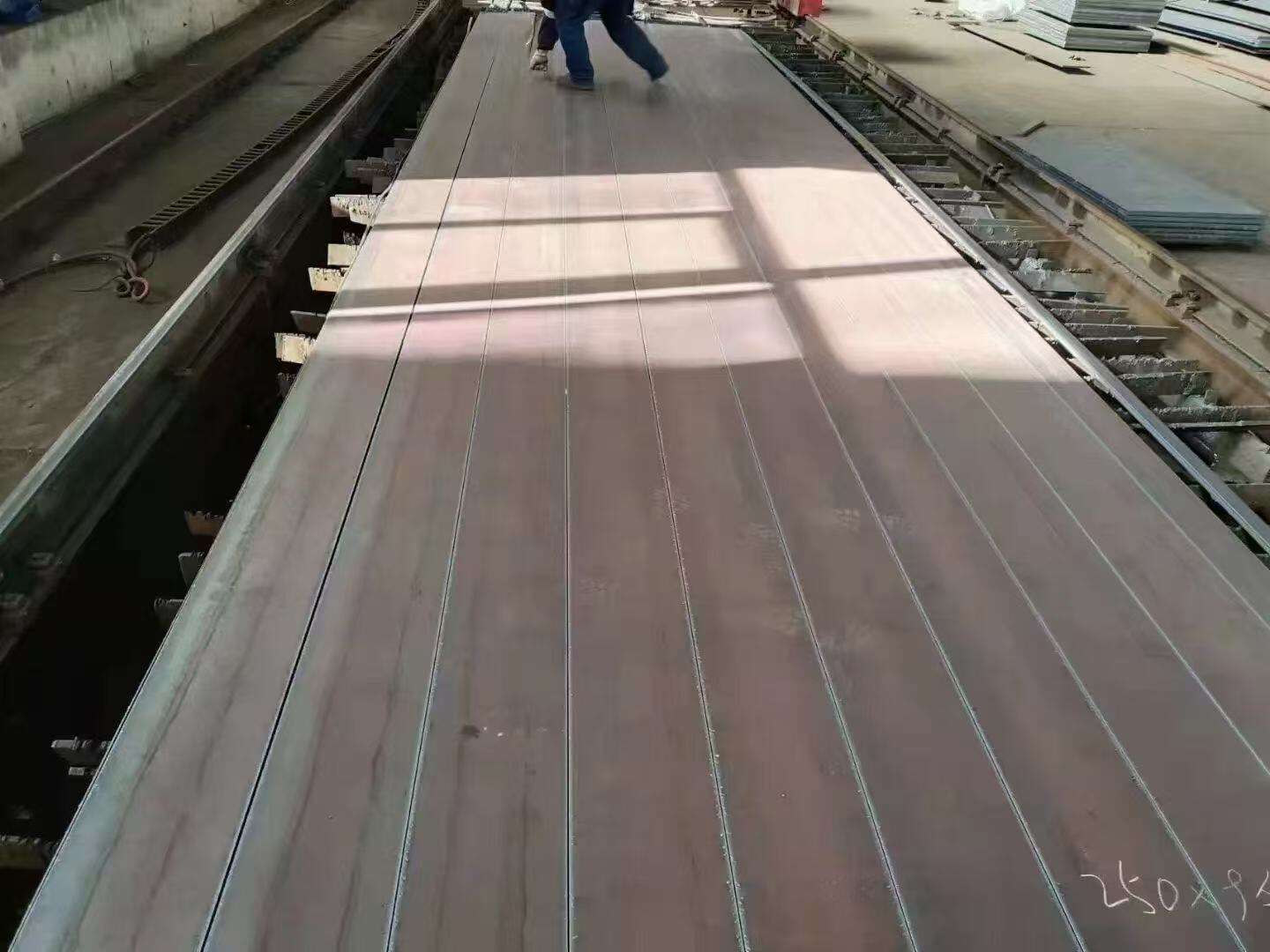
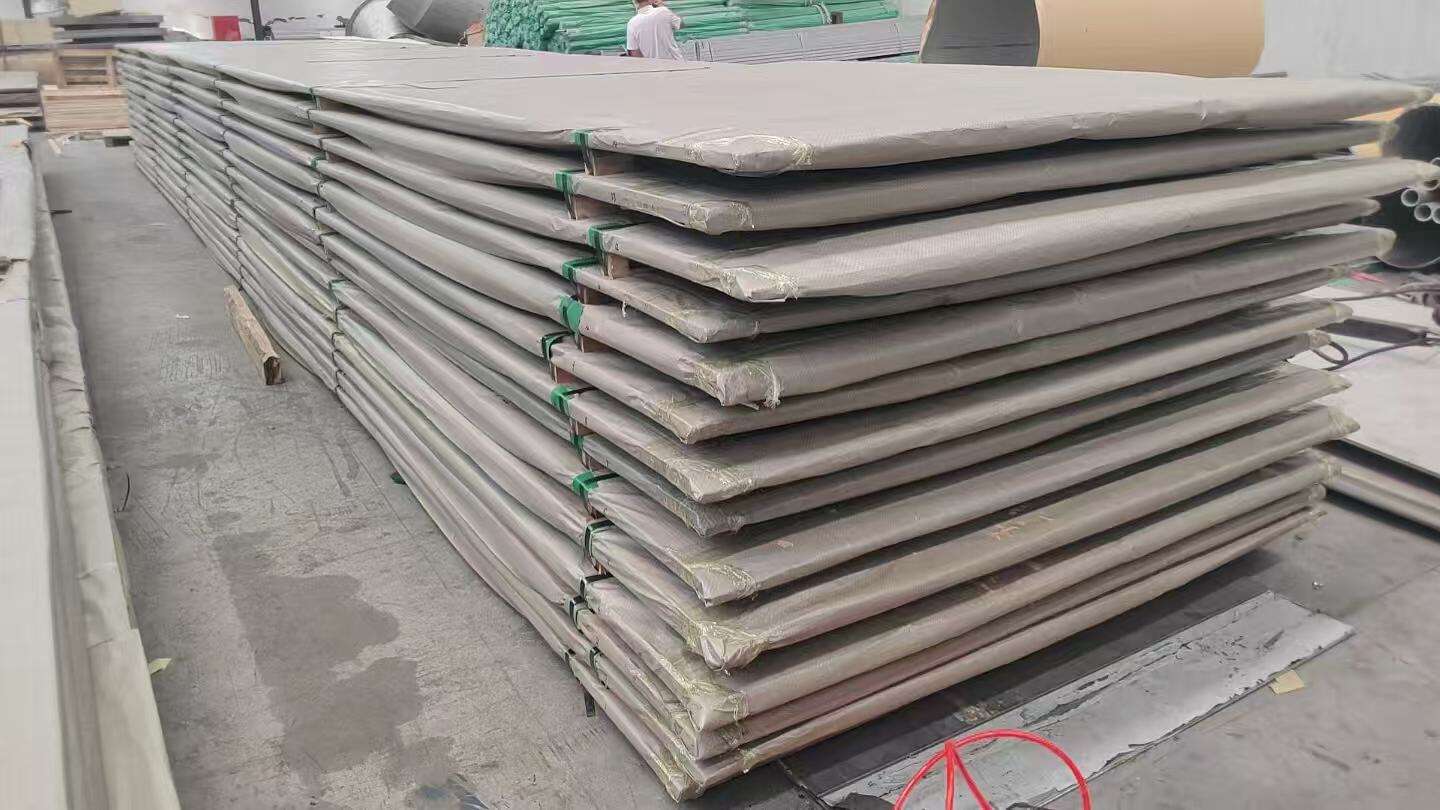
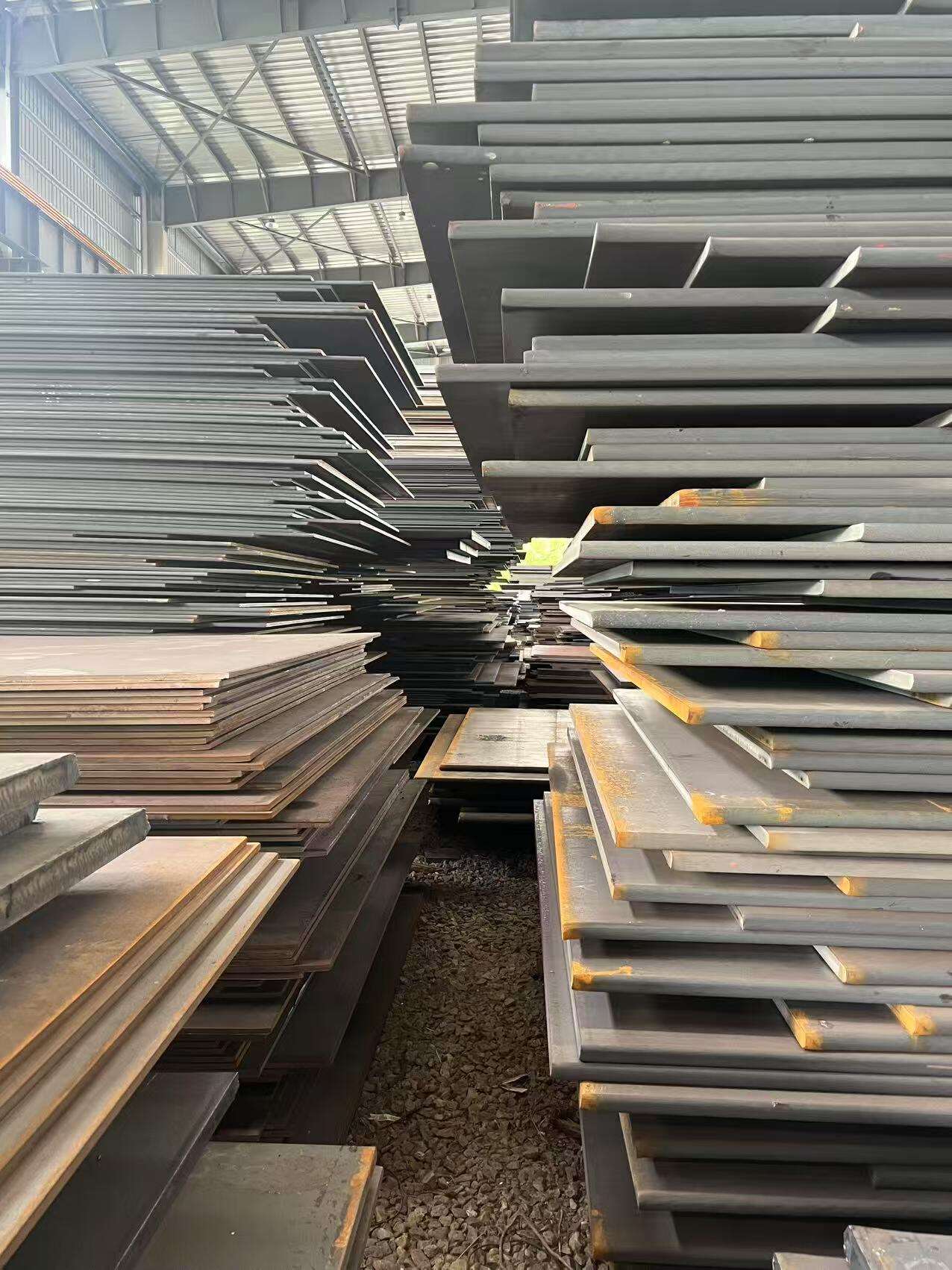
Structural steel plate represents one of the most fundamental building materials in modern construction and heavy industry applications. These robust metal sheets serve as the backbone for countless infrastructure projects, ranging from towering skyscrapers to massive industrial facilities. Manufactured through controlled rolling processes, structural steel plate delivers exceptional strength-to-weight ratios that make it indispensable for load-bearing applications. The primary functions of structural steel plate include providing structural integrity, distributing loads evenly across building frameworks, and creating stable foundations for complex architectural designs. Engineers rely on these plates to transfer forces efficiently throughout building systems while maintaining structural stability under various environmental conditions. Technological features of structural steel plate encompass precise dimensional tolerances, consistent chemical composition, and standardized mechanical properties that ensure predictable performance. Modern manufacturing techniques incorporate advanced metallurgy to optimize carbon content, resulting in plates with superior tensile strength and ductility. Surface treatments and coatings enhance corrosion resistance, extending service life in challenging environments. The material exhibits excellent weldability characteristics, allowing seamless integration with other structural components during construction processes. Quality control measures throughout production guarantee conformance to international standards such as ASTM and EN specifications. Applications for structural steel plate span numerous industries including commercial construction, bridge engineering, shipbuilding, and heavy machinery manufacturing. In building construction, these plates form essential components of beam connections, column bases, and floor systems. Marine applications utilize structural steel plate for hull construction and offshore platforms where durability against saltwater corrosion becomes critical. Industrial facilities incorporate these plates into equipment foundations, storage tank construction, and processing plant frameworks. The versatility of structural steel plate makes it suitable for both new construction projects and renovation work where existing structures require reinforcement or modification.

 EN
EN