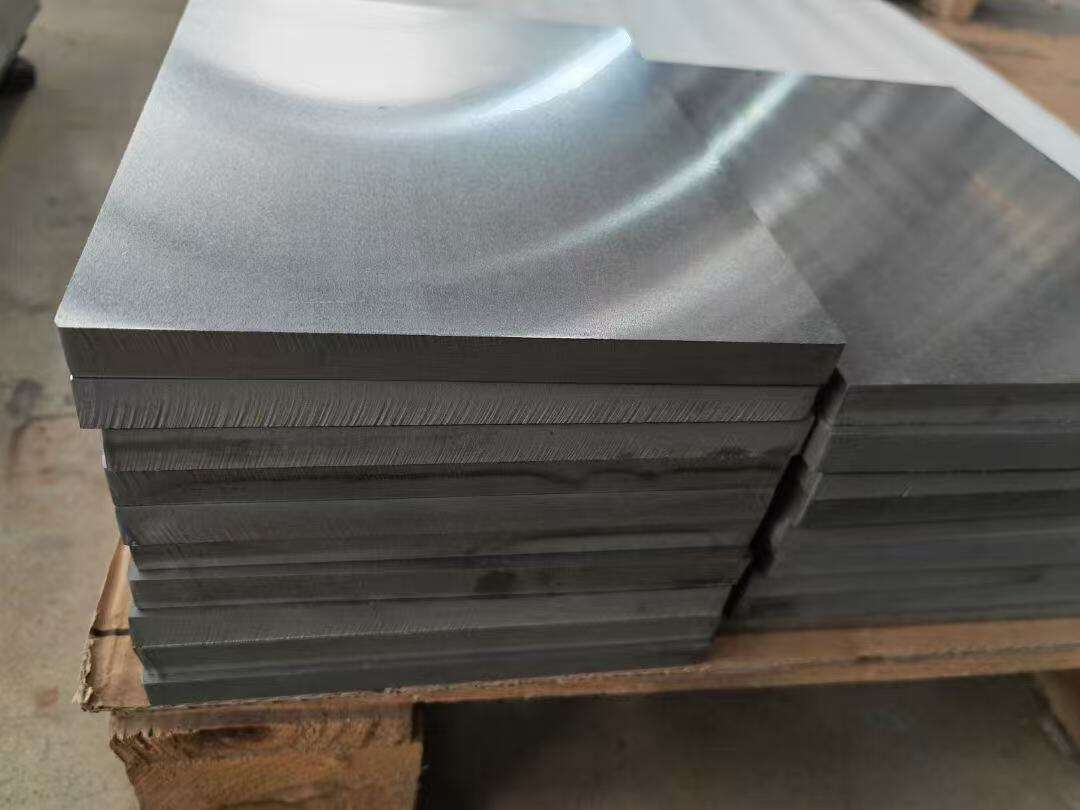
Premium Alloy Steel Plate: Superior Strength, Corrosion Resistance & Fabrication Versatility

All Categories

alloy steel plate

Alloy steel plate represents a sophisticated metallurgical achievement that combines iron with carefully selected alloying elements to create materials with enhanced properties far exceeding those of conventional carbon steel. These specialized plates incorporate elements such as chromium, nickel, molybdenum, vanadium, and manganese in precise proportions to achieve specific mechanical, chemical, and thermal characteristics. The fundamental purpose of alloy steel plate lies in providing superior strength, durability, and resistance properties that make it indispensable across numerous industrial applications. The technological features of alloy steel plate stem from its unique composition and manufacturing processes. Advanced heat treatment methods, including quenching and tempering, allow manufacturers to fine-tune the microstructure and achieve desired hardness levels while maintaining toughness. The controlled addition of alloying elements creates a material matrix that exhibits exceptional tensile strength, often exceeding 80,000 PSI, while retaining workability for fabrication processes. Corrosion resistance becomes significantly enhanced through chromium additions, while nickel contributes to improved toughness at low temperatures. The applications of alloy steel plate span diverse industries where performance under demanding conditions is critical. In construction and infrastructure projects, these plates provide structural integrity for bridges, high-rise buildings, and industrial facilities. The aerospace industry relies on alloy steel plate for landing gear components, engine mounts, and structural elements requiring high strength-to-weight ratios. Marine applications benefit from the corrosion resistance properties, making alloy steel plate ideal for shipbuilding, offshore platforms, and port facilities. Manufacturing sectors utilize these plates for heavy machinery frames, pressure vessels, and tooling applications where dimensional stability and wear resistance are paramount. The versatility of alloy steel plate extends to specialized applications in the energy sector, including wind turbine components, power generation equipment, and oil refinery structures.

New Product Releases

The advantages of alloy steel plate deliver tangible benefits that directly impact project success and long-term operational efficiency. Superior strength properties allow engineers to design lighter structures while maintaining safety margins, resulting in material cost savings and reduced foundation requirements. This strength advantage becomes particularly valuable in applications where weight reduction translates to improved performance, such as automotive components or aerospace structures. Enhanced durability characteristics of alloy steel plate significantly extend service life compared to standard materials. The improved fatigue resistance means structures can withstand repeated loading cycles without premature failure, reducing maintenance costs and downtime. This durability factor proves especially beneficial in industrial environments where equipment operates continuously under varying stress conditions. Corrosion resistance properties provide substantial economic advantages by eliminating the need for frequent protective coatings or replacements. Alloy steel plate maintains its structural integrity in harsh environments, including marine applications, chemical processing facilities, and outdoor installations exposed to weather extremes. This resistance translates to lower lifecycle costs and improved reliability for critical infrastructure projects. Temperature stability represents another significant advantage of alloy steel plate. These materials maintain their mechanical properties across wide temperature ranges, making them suitable for applications involving extreme heat or cold. Power plants, refineries, and arctic installations benefit from this temperature resilience, ensuring consistent performance regardless of operating conditions. Fabrication flexibility allows manufacturers to form, weld, and machine alloy steel plate using conventional methods while achieving superior joint quality. This workability advantage reduces production complexity and costs while enabling custom solutions for specific application requirements. The predictable behavior of alloy steel plate during fabrication processes minimizes waste and rework, contributing to overall project efficiency. Cost-effectiveness emerges when considering the total ownership experience rather than initial material costs. While alloy steel plate may require higher upfront investment, the combination of extended service life, reduced maintenance requirements, and superior performance often results in lower total project costs. This economic advantage becomes more pronounced in applications where failure consequences are severe or replacement costs are substantial.

Latest News

Types and Applications of Special Steel

08

Jul

Types and Applications of Special Steel

Understanding Special Steel Fundamentals Special steel stands out in industries where strength and lasting power matter most. What makes it different from regular steel? Well, manufacturers design special steel for particular jobs, giving it qualit...
View More
The Advantages of High Strength Steel

27

Aug

The Advantages of High Strength Steel

Understanding the Revolution in Modern Steel Manufacturing High strength steel has emerged as a cornerstone material in modern engineering and construction, fundamentally transforming how we build everything from skyscrapers to automobiles. This rema...
View More
Development trends of high-strength steel

22

Sep

Development trends of high-strength steel

The Evolution of Advanced Steel Manufacturing The metallurgical industry has witnessed a remarkable transformation in recent decades, with high-strength steel emerging as a cornerstone of modern manufacturing. This innovative material has revolutioni...
View More
How to balance wear resistance and toughness in die steel?‌

31

Oct

How to balance wear resistance and toughness in die steel?‌

Achieving Optimal Properties in Tool Steel Manufacturing The delicate balance between wear resistance and toughness represents one of the most critical challenges in die steel production. Engineers and metallurgists constantly strive to achieve this ...
View More

Get a Free Quote

Our representative will contact you soon.
Email
Name
Company Name
Message
0/1000

alloy steel plate

Exceptional Strength and Load-Bearing Capacity

Exceptional Strength and Load-Bearing Capacity

The exceptional strength and load-bearing capacity of alloy steel plate sets it apart as the material of choice for demanding structural applications where conventional materials fall short. This remarkable strength originates from the carefully engineered microstructure created through precise alloying and controlled heat treatment processes. The addition of elements like chromium, nickel, and molybdenum creates a refined grain structure that significantly increases tensile strength while maintaining ductility. Modern alloy steel plate can achieve tensile strengths exceeding 100,000 PSI, representing a substantial improvement over standard carbon steel alternatives. This enhanced strength translates directly into practical benefits for engineers and project managers. Structures built with alloy steel plate can support greater loads with smaller cross-sections, enabling more efficient designs that reduce material consumption and overall project costs. In bridge construction, this strength advantage allows for longer spans between supports, reducing the number of piers required and minimizing environmental impact. High-rise buildings benefit from the use of alloy steel plate in critical load-bearing components, enabling architects to create more open floor plans while maintaining structural integrity. The superior load-bearing capacity also proves invaluable in industrial applications where heavy machinery and equipment must be supported. Manufacturing facilities, power plants, and processing complexes rely on alloy steel plate for structural frameworks that must withstand dynamic loads, vibrations, and thermal stresses simultaneously. The material's ability to maintain its strength properties under these challenging conditions ensures operational safety and reduces the risk of catastrophic failures. Furthermore, the predictable behavior of alloy steel plate under load allows engineers to optimize designs with confidence, knowing that the material will perform consistently throughout its service life. This reliability factor becomes particularly important in applications where structural failure could result in significant economic losses or safety hazards, making the investment in high-strength alloy steel plate a prudent decision for critical infrastructure projects.
Superior Corrosion Resistance and Environmental Durability

Superior Corrosion Resistance and Environmental Durability

Superior corrosion resistance and environmental durability represent defining characteristics of alloy steel plate that provide substantial value in challenging operating environments. The enhanced corrosion resistance stems from the strategic incorporation of chromium and other protective alloying elements that form passive oxide layers on the material surface. These protective layers act as barriers against moisture, chemicals, and atmospheric contaminants that typically cause degradation in standard steel products. This corrosion resistance proves particularly valuable in marine environments where saltwater exposure creates aggressive corrosive conditions that rapidly deteriorate conventional materials. Alloy steel plate maintains its structural integrity in these harsh environments, making it indispensable for shipbuilding, offshore platforms, port facilities, and coastal infrastructure projects. The material's ability to withstand prolonged exposure to saltwater and marine atmospheres eliminates the need for frequent maintenance and replacement cycles that plague structures built with standard materials. Chemical processing industries benefit enormously from the corrosion resistance properties of alloy steel plate. Facilities handling acids, alkalis, and other corrosive substances require materials that can maintain their integrity while in contact with aggressive chemicals. The specialized alloy compositions available in steel plate form provide targeted resistance to specific chemical environments, ensuring safe and reliable operation of processing equipment and containment structures. Environmental durability extends beyond simple corrosion resistance to include thermal cycling resistance, UV stability, and weathering performance. Alloy steel plate maintains its mechanical properties and dimensional stability through repeated heating and cooling cycles, making it suitable for applications involving temperature fluctuations. Outdoor installations benefit from the material's resistance to weathering effects, including freeze-thaw cycles, thermal expansion stresses, and atmospheric pollution. The long-term durability of alloy steel plate translates into significant economic advantages for facility owners and operators. Reduced maintenance requirements, extended service intervals, and decreased replacement frequency combine to lower total lifecycle costs substantially compared to alternatives that may have lower initial costs but require frequent attention to maintain performance standards.
Versatile Manufacturing and Fabrication Properties

Versatile Manufacturing and Fabrication Properties

Versatile manufacturing and fabrication properties make alloy steel plate an exceptionally practical choice for complex engineering projects requiring custom solutions and precise specifications. The material's excellent workability allows fabricators to employ conventional forming, cutting, welding, and machining techniques while achieving superior results compared to standard materials. This fabrication flexibility enables manufacturers to create complex geometries, intricate details, and custom configurations that meet specific application requirements without compromising material performance. The weldability of alloy steel plate represents a critical advantage in structural applications where joints must maintain the same strength characteristics as the base material. Modern alloy steel plate formulations are designed to produce high-quality welds with proper techniques and procedures. The predictable welding behavior allows fabricators to create reliable joints that maintain structural integrity under operational loads and environmental stresses. This welding capability proves essential in construction projects where field assembly requires multiple connections and modifications to accommodate site-specific conditions. Machining characteristics of alloy steel plate enable precise manufacturing of components requiring tight tolerances and smooth surface finishes. The material responds well to conventional machining operations including turning, milling, drilling, and grinding, allowing manufacturers to produce complex parts with accuracy and efficiency. This machinability advantage becomes particularly valuable in manufacturing applications where dimensional precision directly affects product performance and reliability. The ability to achieve precise specifications reduces waste, minimizes rework, and improves overall production efficiency. Heat treatment versatility allows manufacturers to tailor the mechanical properties of alloy steel plate to specific application requirements after fabrication. Through controlled heating and cooling cycles, fabricators can adjust hardness, strength, and toughness characteristics to optimize performance for particular service conditions. This post-fabrication treatment capability provides additional flexibility in meeting custom specifications and performance requirements. Quality control during fabrication becomes more predictable with alloy steel plate due to its consistent material properties and well-documented behavior characteristics. Manufacturers can rely on established procedures and testing protocols to ensure finished products meet specifications and performance standards. This predictability reduces project risks and enables efficient production scheduling while maintaining high quality standards throughout the manufacturing process.
Premium Alloy Steel Plate: Superior Strength, Corrosion Resistance & Fabrication Versatility

Get a Free Quote

Our representative will contact you soon.
Email
Name
Company Name
Message
0/1000