Premium Spring Steel Plate - Superior Elastic Performance & Industrial Applications

All Categories

spring steel plate

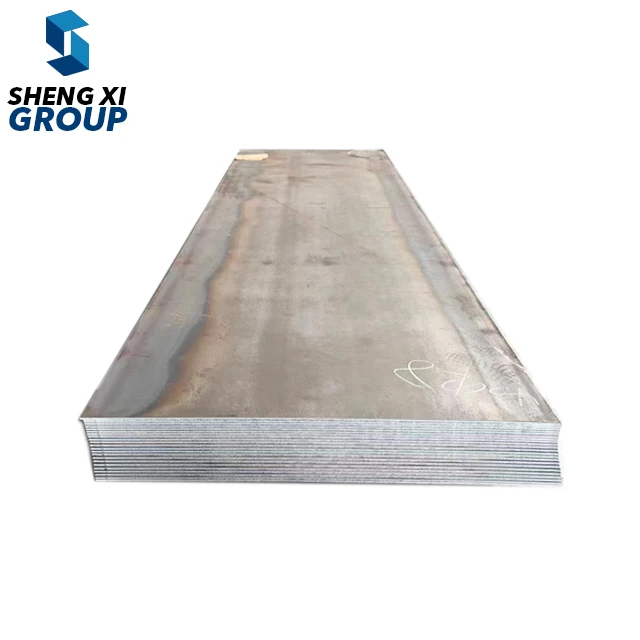
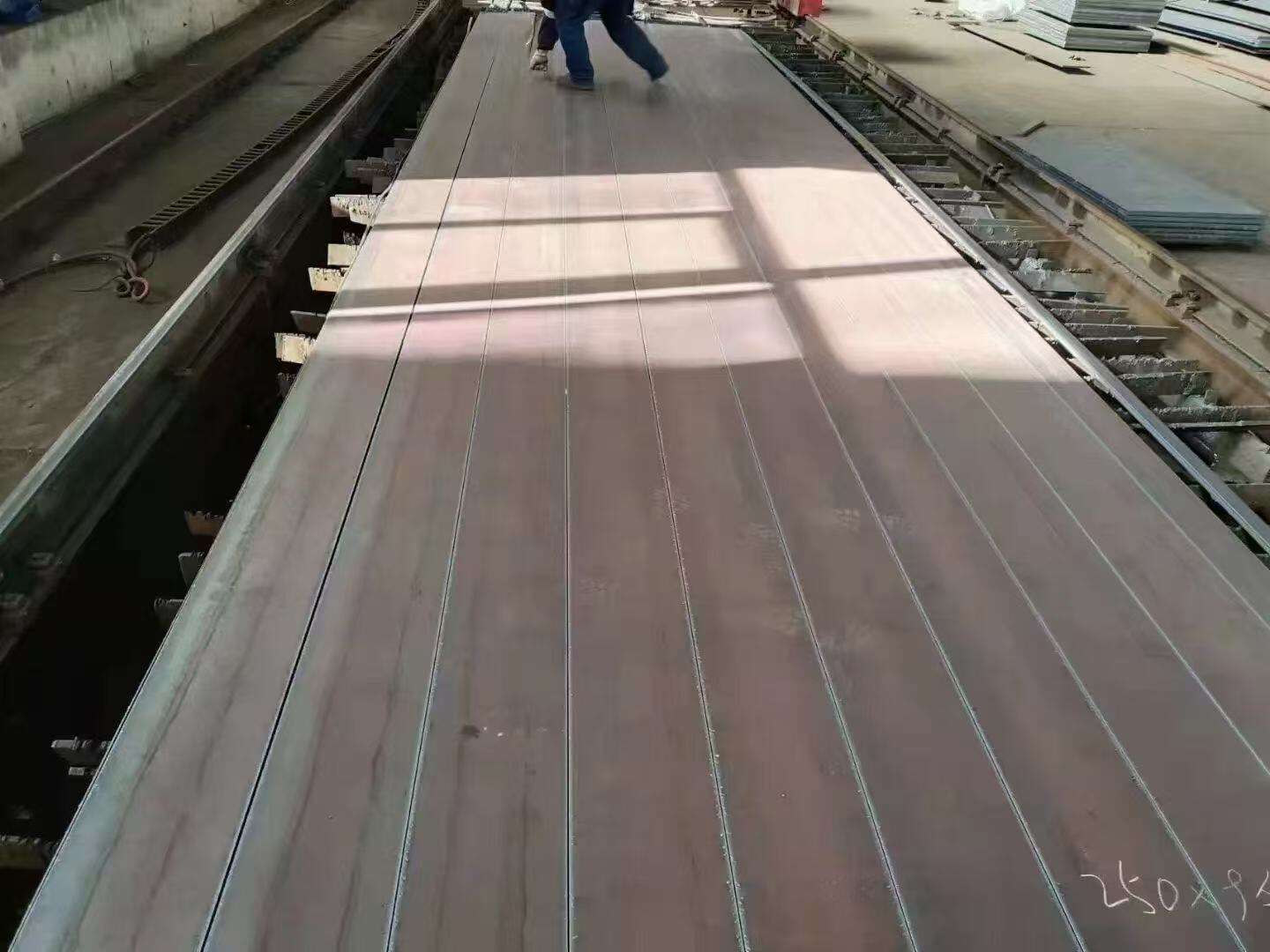
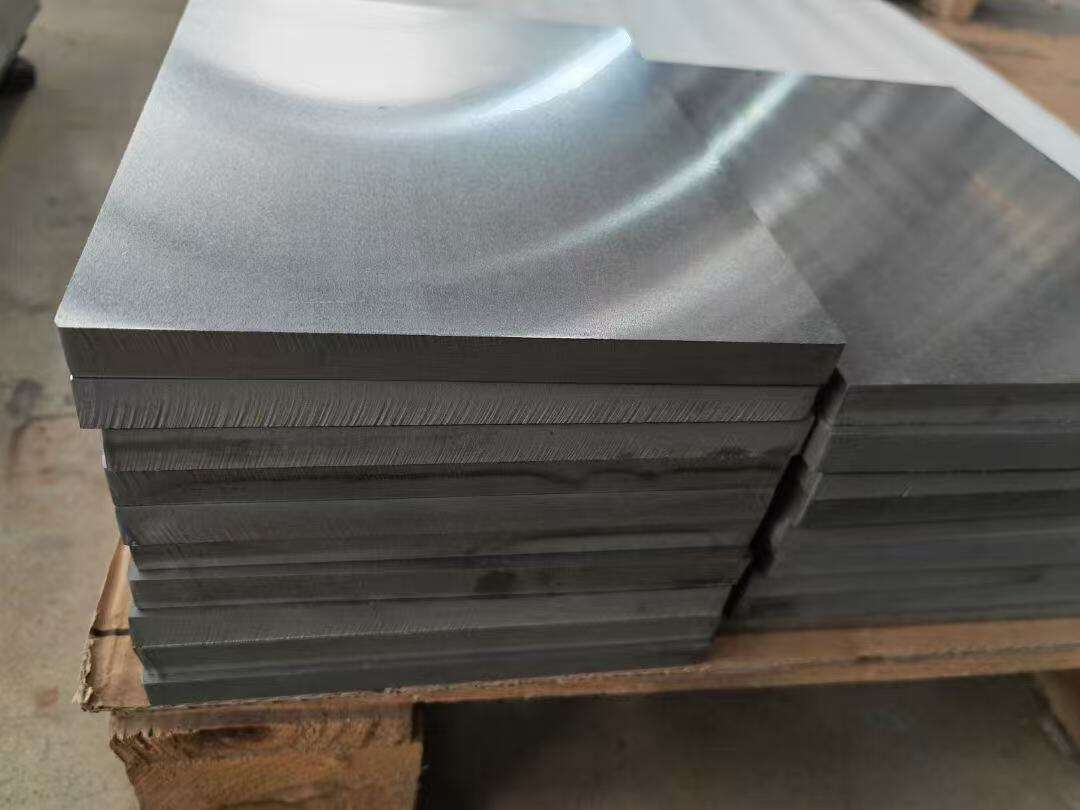
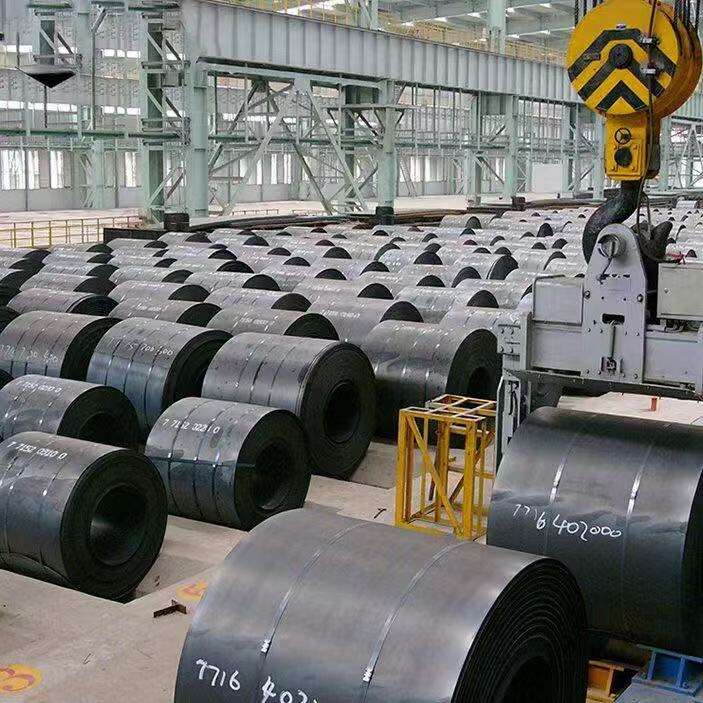
Spring steel plate represents a specialized category of high-carbon steel engineered to provide exceptional elasticity and resilience under mechanical stress. This versatile material combines superior strength with remarkable flexibility, making it indispensable across numerous industrial applications. The spring steel plate manufacturing process involves precise heat treatment and tempering techniques that enhance the material's ability to return to its original shape after deformation. These plates exhibit outstanding fatigue resistance, ensuring reliable performance even under repeated loading cycles. The composition typically includes carbon content ranging from 0.5% to 1.2%, along with carefully controlled amounts of manganese, silicon, and other alloying elements that contribute to optimal mechanical properties. Modern spring steel plate production utilizes advanced metallurgical processes including controlled rolling, quenching, and tempering to achieve consistent quality and performance characteristics. The material demonstrates excellent dimensional stability and maintains its elastic properties across wide temperature ranges, making it suitable for demanding environments. Key technological features include high yield strength, superior elastic modulus, and exceptional spring-back characteristics that enable the plate to withstand substantial deformation without permanent damage. Applications span automotive suspension systems, industrial machinery, construction equipment, railway components, and precision instruments where reliable elastic behavior is critical. The spring steel plate serves as the foundation for manufacturing leaf springs, coil springs, flat springs, and various custom-designed elastic components. Its corrosion resistance can be enhanced through surface treatments such as shot peening, coating, or galvanizing, extending service life in challenging environments. The material's versatility allows for fabrication into complex geometries while maintaining consistent spring characteristics throughout the component. Quality control measures ensure that each spring steel plate meets stringent specifications for hardness, tensile strength, and elastic properties, guaranteeing reliable performance in critical applications.

New Product Releases

Spring steel plate delivers numerous practical benefits that directly impact operational efficiency and cost-effectiveness for end users. The material provides exceptional durability, significantly reducing maintenance requirements and replacement frequency compared to conventional steel alternatives. This enhanced longevity translates into substantial cost savings over the product lifecycle, as businesses experience fewer downtime events and reduced component replacement expenses. The superior elastic properties enable spring steel plate to absorb and dissipate energy effectively, protecting connected equipment from shock loads and vibrations that could cause premature failure. This protective capability extends the service life of entire mechanical systems, creating additional value beyond the immediate component performance. Manufacturing flexibility represents another key advantage, as spring steel plate can be formed into various configurations while maintaining consistent mechanical properties throughout the fabrication process. This adaptability allows engineers to design optimized solutions tailored to specific application requirements without compromising performance or reliability. The material exhibits excellent fatigue resistance, performing reliably under millions of loading cycles without degradation, which is essential for high-frequency applications such as automotive suspensions and industrial machinery. Temperature stability ensures consistent performance across diverse operating conditions, from sub-zero environments to elevated temperatures encountered in industrial processes. The spring steel plate maintains its elastic characteristics and load-bearing capacity even when exposed to thermal cycling, preventing performance degradation that commonly affects lesser materials. Surface finish options provide additional benefits, including enhanced corrosion resistance and improved aesthetic appearance, making the material suitable for both functional and decorative applications. The consistent material properties achieved through modern manufacturing processes eliminate performance variations that could compromise system reliability, ensuring predictable behavior across production batches. Installation and maintenance procedures are straightforward, reducing labor costs and technical expertise requirements during both initial assembly and ongoing service operations. The spring steel plate compatibility with standard machining and welding processes facilitates integration into existing manufacturing workflows without requiring specialized equipment or techniques. Quality certifications and traceability documentation provide confidence in material performance and compliance with industry standards, supporting quality assurance programs and regulatory requirements. These combined advantages make spring steel plate an economically sound choice that delivers superior performance while minimizing total ownership costs.

Practical Tips

The Advantages of High Strength Steel

27

Aug

The Advantages of High Strength Steel

Understanding the Revolution in Modern Steel Manufacturing High strength steel has emerged as a cornerstone material in modern engineering and construction, fundamentally transforming how we build everything from skyscrapers to automobiles. This rema...
View More
How to select appropriate high-temperature alloys

22

Sep

How to select appropriate high-temperature alloys

Understanding the Critical Role of Heat-Resistant Materials in Modern Industry High-temperature alloys represent a crucial category of engineering materials that enable numerous industrial processes and applications where standard metals would fail. ...
View More
Is material fatigue the main cause of cracking in hot-work die steel?‌

31

Oct

Is material fatigue the main cause of cracking in hot-work die steel?‌

Understanding the Complex Nature of Hot-Work Die Steel Failures In the world of industrial manufacturing, hot-work die steel plays a crucial role in shaping and forming metals at elevated temperatures. While material fatigue is often cited as a prima...
View More
Can PM high-speed steel eliminate segregation defects?

31

Oct

Can PM high-speed steel eliminate segregation defects?

Understanding the Revolutionary Impact of Powder Metallurgy in High-Speed Steel Production The metallurgical industry has witnessed a significant transformation with the advent of powder metallurgy (PM) technology in high-speed steel manufacturing. P...
View More

Get a Free Quote

Our representative will contact you soon.
Email
Name
Company Name
Message
0/1000

spring steel plate

Superior Elastic Performance and Fatigue Resistance

Superior Elastic Performance and Fatigue Resistance

The exceptional elastic performance of spring steel plate stands as its most distinguished characteristic, setting it apart from conventional steel materials in demanding applications. This remarkable property stems from the carefully controlled carbon content and precise heat treatment processes that create an optimal microstructure capable of withstanding repeated stress cycles without permanent deformation. The material demonstrates outstanding spring-back capabilities, consistently returning to its original geometry after loading, which is crucial for applications requiring reliable elastic behavior over extended periods. Advanced metallurgical engineering ensures that the spring steel plate maintains its elastic modulus across wide load ranges, providing predictable performance characteristics that engineers can confidently incorporate into their designs. The fatigue resistance of spring steel plate exceeds industry standards, with test results showing reliable operation through millions of stress cycles without crack initiation or propagation. This exceptional durability eliminates concerns about premature failure in high-frequency applications such as automotive suspensions, where components experience constant loading and unloading during vehicle operation. The material's ability to absorb and release energy efficiently makes it ideal for shock absorption applications, protecting sensitive equipment from harmful vibrations and impact forces. Quality control measures during production ensure consistent elastic properties throughout each plate, eliminating weak points that could compromise system performance. The spring steel plate maintains its elastic characteristics even under adverse environmental conditions, including temperature fluctuations and corrosive atmospheres, ensuring reliable operation in challenging industrial environments. Surface treatments can further enhance performance by introducing beneficial compressive stresses that improve fatigue life and resistance to stress corrosion cracking. The predictable elastic behavior enables precise load calculations and system optimization, allowing engineers to design more efficient mechanisms with improved performance margins. This reliability reduces the need for oversized components and safety factors, resulting in more economical designs without sacrificing operational integrity. The combination of superior elastic performance and exceptional fatigue resistance makes spring steel plate the preferred choice for critical applications where failure is not acceptable and long-term reliability is paramount.
Versatile Manufacturing and Customization Capabilities

Versatile Manufacturing and Customization Capabilities

Spring steel plate offers remarkable manufacturing versatility that enables the production of highly customized solutions tailored to specific application requirements and performance criteria. The material responds exceptionally well to various forming processes, including cold forming, hot forming, and precision machining, allowing manufacturers to create complex geometries while preserving the essential spring characteristics throughout the component. This formability advantage enables the production of intricate designs that would be impossible or economically unfeasible with alternative materials, opening new possibilities for innovative engineering solutions. The spring steel plate can be processed using conventional metalworking equipment, eliminating the need for specialized tooling or exotic manufacturing techniques that could increase production costs and complexity. Heat treatment flexibility allows for precise control of mechanical properties, enabling manufacturers to optimize hardness, strength, and elastic characteristics for specific applications. This customization capability ensures that each component delivers optimal performance while meeting exact dimensional and tolerance requirements. Surface finishing options provide additional customization opportunities, including shot peening for enhanced fatigue resistance, coating applications for corrosion protection, and precision grinding for improved surface quality and dimensional accuracy. The material's excellent weldability enables the fabrication of complex assemblies that combine multiple spring steel plate components with other materials, creating hybrid solutions that maximize performance while minimizing weight and cost. Quality assurance processes ensure consistent material properties across production batches, enabling reliable scaling from prototype to full production without performance variations. The spring steel plate compatibility with standard inspection and testing methods facilitates quality control and certification procedures, supporting compliance with industry standards and customer specifications. Advanced manufacturing techniques such as laser cutting, waterjet cutting, and precision stamping can be employed to achieve tight tolerances and complex profiles while maintaining material integrity. The ability to produce components in various thicknesses and sizes from the same base material streamlines inventory management and reduces procurement complexity for manufacturers serving multiple markets. Post-processing capabilities including stress relieving, tempering, and surface treatments can be applied selectively to optimize specific component regions for maximum performance. This manufacturing flexibility translates into shorter development cycles, reduced tooling costs, and improved time-to-market for new products incorporating spring steel plate components.
Economic Value and Long-Term Cost Benefits

Economic Value and Long-Term Cost Benefits

The economic advantages of spring steel plate extend far beyond the initial material cost, delivering substantial long-term value through reduced maintenance requirements, extended service life, and improved system reliability. The exceptional durability of spring steel plate significantly reduces replacement frequency compared to conventional materials, resulting in lower lifecycle costs and reduced operational disruptions. This reliability advantage is particularly valuable in critical applications where unplanned downtime can result in significant financial losses and safety concerns. The material's resistance to fatigue and wear minimizes the need for frequent inspections and preventive maintenance, reducing labor costs and allowing maintenance personnel to focus on other system requirements. Quality manufacturing processes ensure consistent performance characteristics that eliminate the variability often associated with alternative materials, reducing the risk of premature failure and associated replacement costs. The spring steel plate ability to maintain performance under diverse operating conditions reduces the need for multiple material grades or specialized components, simplifying inventory management and procurement processes. Energy efficiency benefits result from the material's superior elastic properties, which enable more efficient energy storage and release in applications such as suspension systems and mechanical drives. The reduced weight possible with spring steel plate components compared to equivalent-strength alternatives can improve fuel efficiency in transportation applications and reduce structural loading requirements in stationary installations. Manufacturing efficiency advantages include compatibility with standard production equipment and processes, eliminating the need for specialized tooling or training that could increase production costs. The material's excellent machinability and formability reduce processing time and tool wear, contributing to lower manufacturing costs and improved productivity. Supplier relationships benefit from the widespread availability of spring steel plate from multiple qualified sources, ensuring competitive pricing and reliable supply chain management. The recyclability of spring steel plate supports sustainability initiatives while providing end-of-life value recovery that further improves the total cost equation. Insurance and liability advantages may result from the proven reliability and safety record of spring steel plate in critical applications, potentially reducing coverage costs and risk exposure. The standardization possible with spring steel plate components facilitates interchangeability and reduces the complexity of spare parts management, contributing to lower inventory carrying costs and improved service efficiency. These economic benefits combine to create a compelling value proposition that justifies the selection of spring steel plate for demanding applications where performance and reliability are essential.
Premium Spring Steel Plate - Superior Elastic Performance & Industrial Applications

Get a Free Quote

Our representative will contact you soon.
Email
Name
Company Name
Message
0/1000