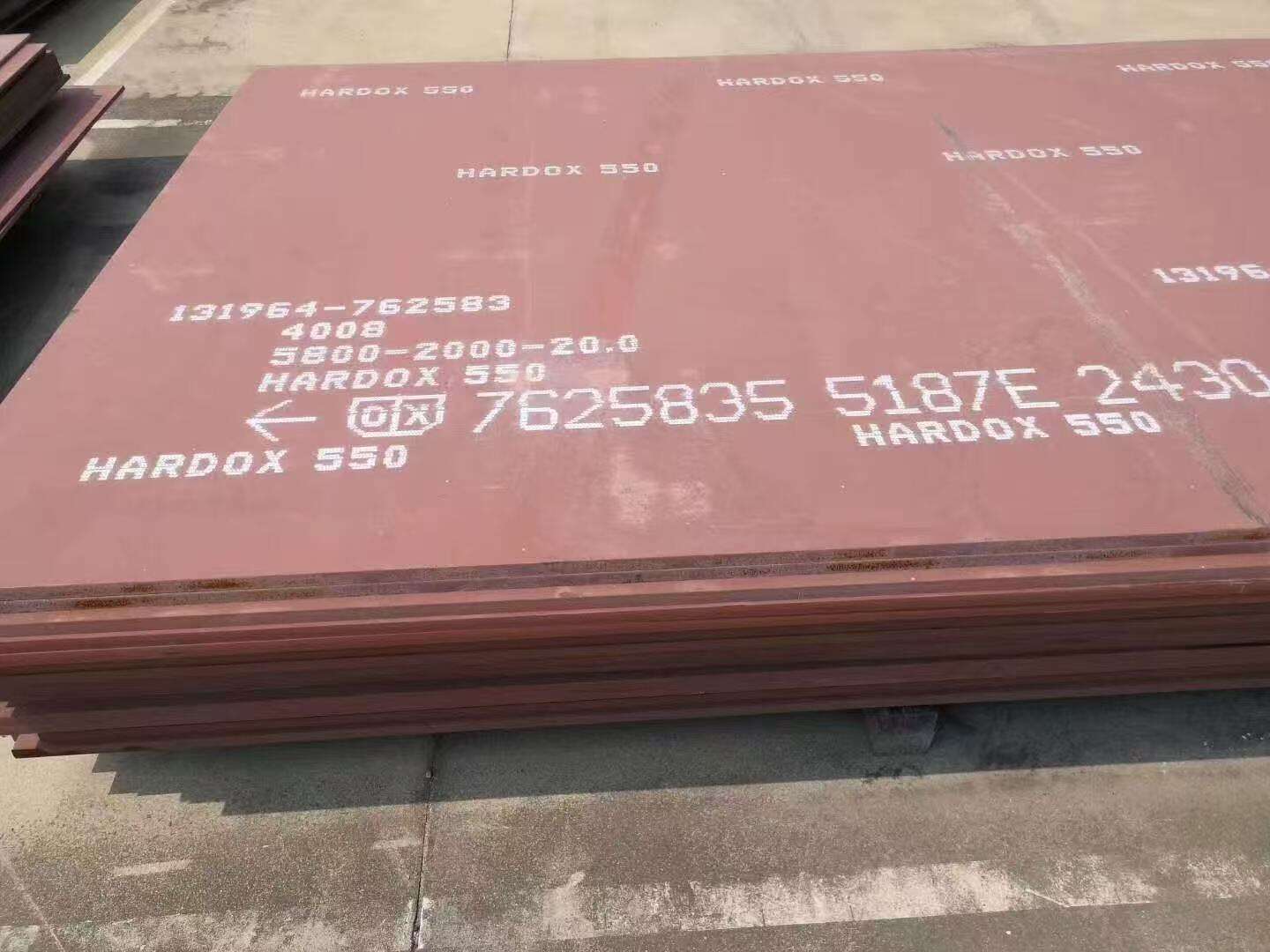
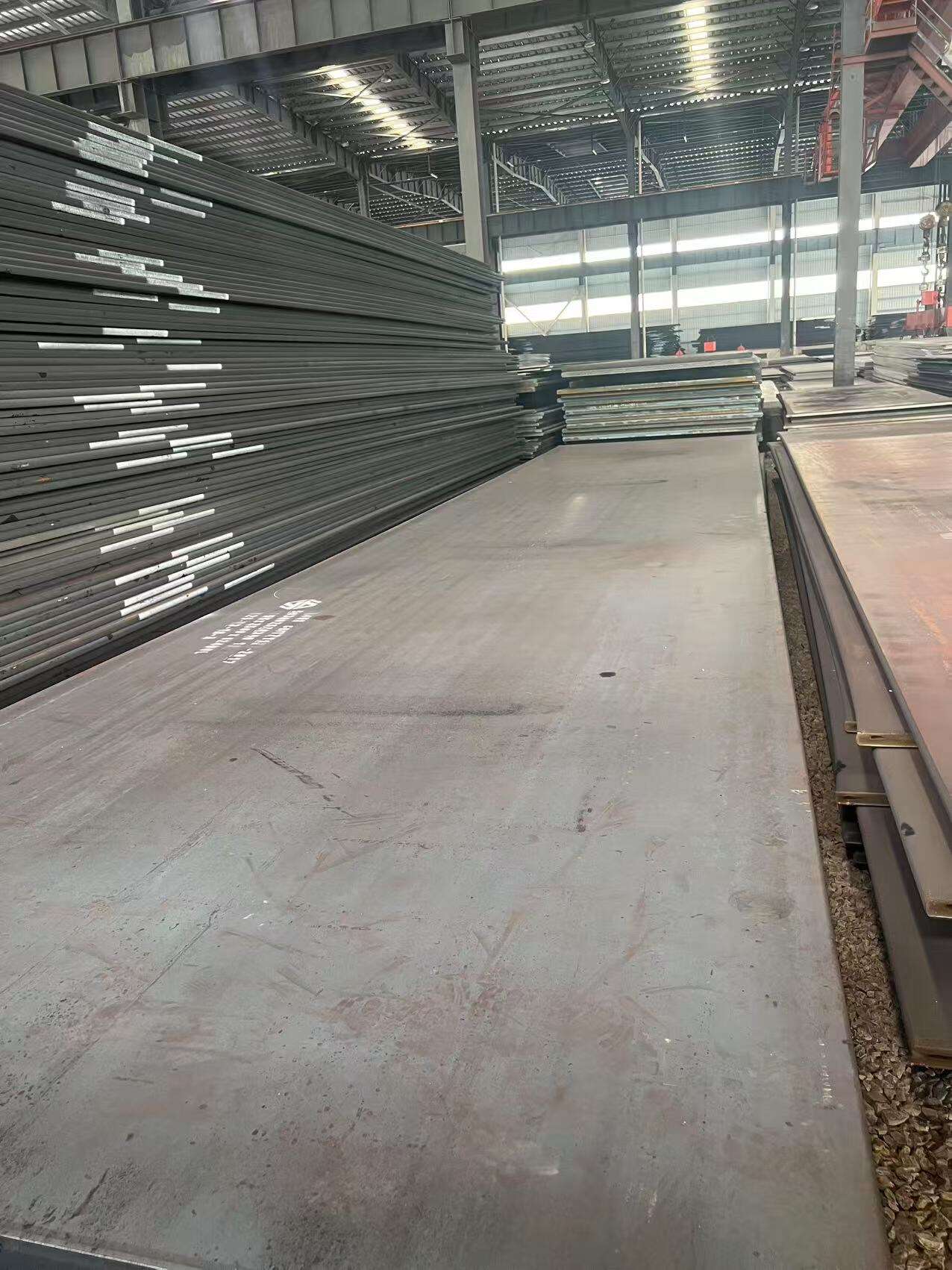
Heavy Steel Plate: Superior Structural Solutions for Industrial Applications

All Categories

heavy steel plate

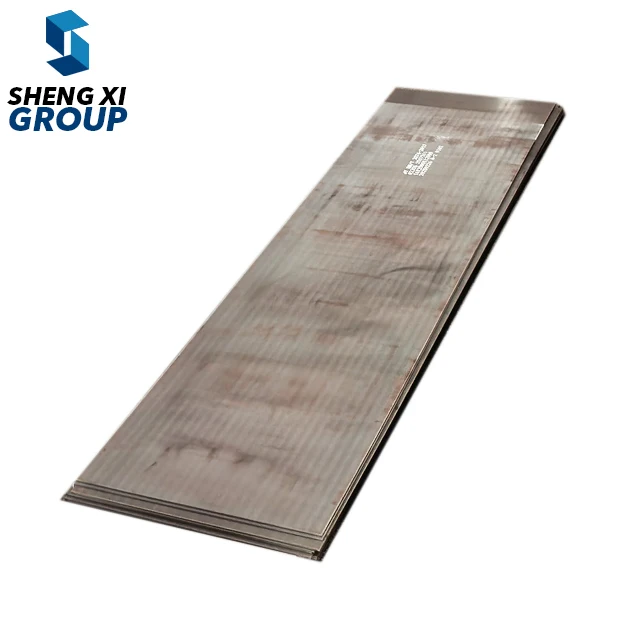
Heavy steel plate represents a fundamental component in modern industrial construction and manufacturing, serving as the backbone for countless structural and engineering applications worldwide. This robust material consists of thick steel sheets typically ranging from 5mm to over 200mm in thickness, manufactured through advanced hot rolling or controlled rolling processes that ensure exceptional strength and durability. The heavy steel plate undergoes rigorous quality control measures during production, including chemical composition analysis, mechanical property testing, and dimensional verification to meet international standards such as ASTM, EN, and JIS specifications. Its manufacturing process involves careful temperature control and precise rolling techniques that create uniform grain structure throughout the material, resulting in consistent mechanical properties across the entire plate surface. The technological features of heavy steel plate include superior tensile strength, excellent weldability, and remarkable resistance to impact and fatigue loading. Modern production facilities utilize computer-controlled systems to monitor thickness tolerance, flatness, and surface quality, ensuring each heavy steel plate meets demanding customer requirements. The material exhibits exceptional formability, allowing fabricators to bend, cut, and shape it according to specific project needs without compromising structural integrity. Heavy steel plate applications span across multiple industries, including shipbuilding, offshore platforms, pressure vessels, construction machinery, bridges, and building frameworks. Its versatility makes it indispensable for creating storage tanks, boiler components, crane structures, and heavy equipment bases. The automotive industry relies on heavy steel plate for manufacturing truck frames, chassis components, and specialized vehicle parts that require superior strength-to-weight ratios. Additionally, the energy sector extensively uses this material for power plant construction, wind turbine foundations, and pipeline systems where reliability and longevity are paramount concerns for operational safety and economic efficiency.

New Product Recommendations

Heavy steel plate offers numerous compelling advantages that make it the preferred choice for demanding industrial applications across various sectors. The primary benefit lies in its exceptional structural strength, which provides unmatched load-bearing capacity for critical infrastructure projects where safety and reliability cannot be compromised. This superior strength allows engineers to design more efficient structures with reduced material usage while maintaining required safety margins, ultimately leading to cost savings and improved project economics. The material demonstrates outstanding durability that ensures long-term performance even under harsh environmental conditions, including extreme temperatures, corrosive atmospheres, and high-stress loading scenarios. This longevity translates directly into reduced maintenance costs and extended service life for constructed facilities, providing significant return on investment for project owners and operators. Heavy steel plate exhibits excellent weldability characteristics that facilitate efficient fabrication processes, enabling skilled welders to create strong, permanent joints using standard welding techniques and equipment. This weldability advantage reduces construction time and labor costs while ensuring structural continuity throughout complex assemblies and frameworks. The material's consistent quality and predictable behavior under various loading conditions allow engineers to perform accurate structural calculations and design optimizations with confidence. Heavy steel plate provides superior resistance to impact and dynamic loading, making it ideal for applications involving moving machinery, transportation equipment, and structures subject to seismic activity or wind loads. Its thermal properties enable effective heat dissipation in high-temperature applications while maintaining dimensional stability under thermal cycling conditions. The availability of heavy steel plate in various grades and specifications allows designers to select the most appropriate material for specific application requirements, optimizing both performance and cost considerations. Modern heavy steel plate incorporates advanced metallurgical technologies that enhance corrosion resistance, reducing the need for expensive protective coatings and treatments. The material's recyclability supports sustainable construction practices, as it can be reprocessed multiple times without losing its essential properties, contributing to environmental responsibility and circular economy principles. Furthermore, heavy steel plate offers excellent machinability for creating precise holes, slots, and custom shapes required for complex mechanical assemblies and connection details.

Practical Tips

How to Heat Treat Bearing Steel

08

Jul

How to Heat Treat Bearing Steel

Fundamentals of Heat Treating Bearing Steel Composition Requirements for Bearing Steel What makes bearing steel work so well comes down to its composition, which needs to hit certain performance benchmarks for durability. The main ingredients mixed...
View More
What Is Cr-Mo Steel and Why It Matters

27

Aug

What Is Cr-Mo Steel and Why It Matters

Understanding the Revolutionary Alloy That Powers Modern Industry In the evolving landscape of metallurgy, Cr-Mo steel stands as a testament to human innovation in material science. This remarkable alloy, combining chromium and molybdenum with steel,...
View More
Top Industrial Applications for Cr-Mo Steel

27

Aug

Top Industrial Applications for Cr-Mo Steel

Understanding the Role of Cr-Mo Steel in Industry The industrial sector consistently demands materials that combine strength, durability, and resistance to extreme environments. Cr-Mo Steel has emerged as a preferred alloy across industries because o...
View More
How to regulate the ductile-brittle transition temperature of alloy steel?‌

31

Oct

How to regulate the ductile-brittle transition temperature of alloy steel?‌

Understanding the Critical Role of Temperature Transitions in Alloy Steel Performance The ductile-brittle transition temperature represents a crucial parameter in alloy steel manufacturing and application. This fundamental property determines the tem...
View More

Get a Free Quote

Our representative will contact you soon.
Email
Name
Company Name
Message
0/1000

heavy steel plate

Unmatched Structural Integrity and Load-Bearing Performance

Unmatched Structural Integrity and Load-Bearing Performance

Heavy steel plate delivers unparalleled structural integrity that forms the foundation of critical infrastructure projects worldwide, providing engineers and construction professionals with a reliable material that consistently exceeds performance expectations under the most demanding conditions. The exceptional load-bearing performance of heavy steel plate stems from its carefully controlled manufacturing process, which creates a uniform microstructure throughout the material thickness, ensuring consistent mechanical properties from surface to core. This uniformity eliminates weak points that could compromise structural performance, making heavy steel plate the preferred choice for applications where failure is not an option. The material's high tensile strength, typically ranging from 400 to 800 MPa depending on grade selection, enables designers to create lighter, more efficient structures while maintaining required safety factors for critical loading scenarios. Advanced metallurgical techniques used in heavy steel plate production, including controlled cooling and precise chemical composition management, result in optimal grain refinement that enhances both strength and toughness characteristics simultaneously. This combination proves essential for structures subjected to dynamic loading, impact forces, or seismic activity where materials must absorb energy without catastrophic failure. The predictable behavior of heavy steel plate under various stress conditions allows structural engineers to perform accurate finite element analysis and design calculations, reducing uncertainty and enabling optimization of member sizes and connection details. Quality assurance protocols implemented during heavy steel plate manufacturing include comprehensive testing of mechanical properties, chemical composition verification, and non-destructive examination to identify any potential defects before delivery to customers. This rigorous quality control ensures that every heavy steel plate meets or exceeds specified requirements, providing construction teams with confidence in material performance and eliminating costly delays due to material-related issues. The exceptional fatigue resistance of heavy steel plate makes it particularly valuable for structures experiencing repeated loading cycles, such as bridges, cranes, and offshore platforms where long-term durability directly impacts operational safety and economic viability.
Superior Manufacturing Quality and Dimensional Precision

Superior Manufacturing Quality and Dimensional Precision

Heavy steel plate manufacturing represents the pinnacle of modern steelmaking technology, incorporating advanced processes and quality control systems that deliver exceptional dimensional precision and consistent material properties essential for demanding industrial applications. State-of-the-art production facilities utilize computer-controlled rolling mills equipped with sophisticated measurement systems that monitor plate thickness, width, and length in real-time, ensuring tight tolerances that meet or exceed international standards for dimensional accuracy. The controlled rolling process employed in heavy steel plate manufacturing involves precise temperature management throughout the entire production sequence, optimizing grain structure development and mechanical property distribution across the plate cross-section. This technological sophistication results in superior surface finish quality that reduces preparation time and costs during fabrication operations while improving weld quality and coating adhesion characteristics. Advanced cooling techniques, including accelerated cooling and controlled cooling systems, allow metallurgists to tailor the microstructure of heavy steel plate to achieve specific combinations of strength, toughness, and ductility required for particular applications. The implementation of thermomechanical controlled processing (TMCP) in heavy steel plate production enables manufacturers to achieve enhanced mechanical properties without relying solely on chemical composition modifications, resulting in improved weldability and reduced susceptibility to heat-affected zone softening during fabrication. Sophisticated quality management systems track every aspect of heavy steel plate production from raw material selection through final inspection, creating comprehensive documentation that provides complete traceability for critical applications requiring detailed material certification. Non-destructive testing methods, including ultrasonic examination and magnetic particle inspection, verify internal soundness and surface integrity of heavy steel plate before shipment, eliminating defective material and ensuring customer satisfaction. The precision achieved in heavy steel plate manufacturing enables direct use in many applications without additional machining or surface preparation, reducing processing costs and delivery times for construction projects operating under tight schedules and budget constraints.
Versatile Applications Across Multiple Industries and Exceptional Value

Versatile Applications Across Multiple Industries and Exceptional Value

Heavy steel plate demonstrates remarkable versatility across diverse industrial sectors, providing exceptional value through its adaptability to numerous applications while maintaining consistent performance characteristics that meet stringent operational requirements. The shipbuilding industry relies extensively on heavy steel plate for hull construction, deck plating, and structural frameworks where corrosion resistance, impact toughness, and weldability are critical factors for vessel safety and longevity in marine environments. Offshore oil and gas platforms utilize heavy steel plate for jacket structures, deck modules, and equipment foundations where materials must withstand extreme weather conditions, saltwater exposure, and heavy operational loads while maintaining structural integrity throughout decades of service life. The construction industry employs heavy steel plate in high-rise building frameworks, bridge construction, and infrastructure projects where seismic resistance, fire protection, and long-term durability are essential considerations for public safety and investment protection. Power generation facilities depend on heavy steel plate for boiler construction, pressure vessel manufacturing, and turbine foundations where high-temperature performance, pressure containment, and reliable operation are mandatory for efficient energy production and worker safety. Heavy equipment manufacturers incorporate heavy steel plate into excavator undercarriages, crane booms, and mining machinery where abrasion resistance, impact toughness, and fatigue strength directly affect operational efficiency and maintenance costs. The petrochemical industry uses heavy steel plate for storage tank construction, reactor vessels, and process equipment where chemical compatibility, temperature stability, and leak-tight integrity are crucial for environmental protection and operational safety. Transportation infrastructure projects utilize heavy steel plate in railway bridges, highway overpasses, and tunnel structures where traffic loading, environmental exposure, and maintenance accessibility influence design decisions and material selection criteria. The exceptional value proposition of heavy steel plate stems from its combination of initial cost-effectiveness, long service life, minimal maintenance requirements, and end-of-life recyclability that supports sustainable development goals while delivering superior return on investment for project stakeholders and facility operators across all industrial sectors.
Heavy Steel Plate: Superior Structural Solutions for Industrial Applications

Get a Free Quote

Our representative will contact you soon.
Email
Name
Company Name
Message
0/1000