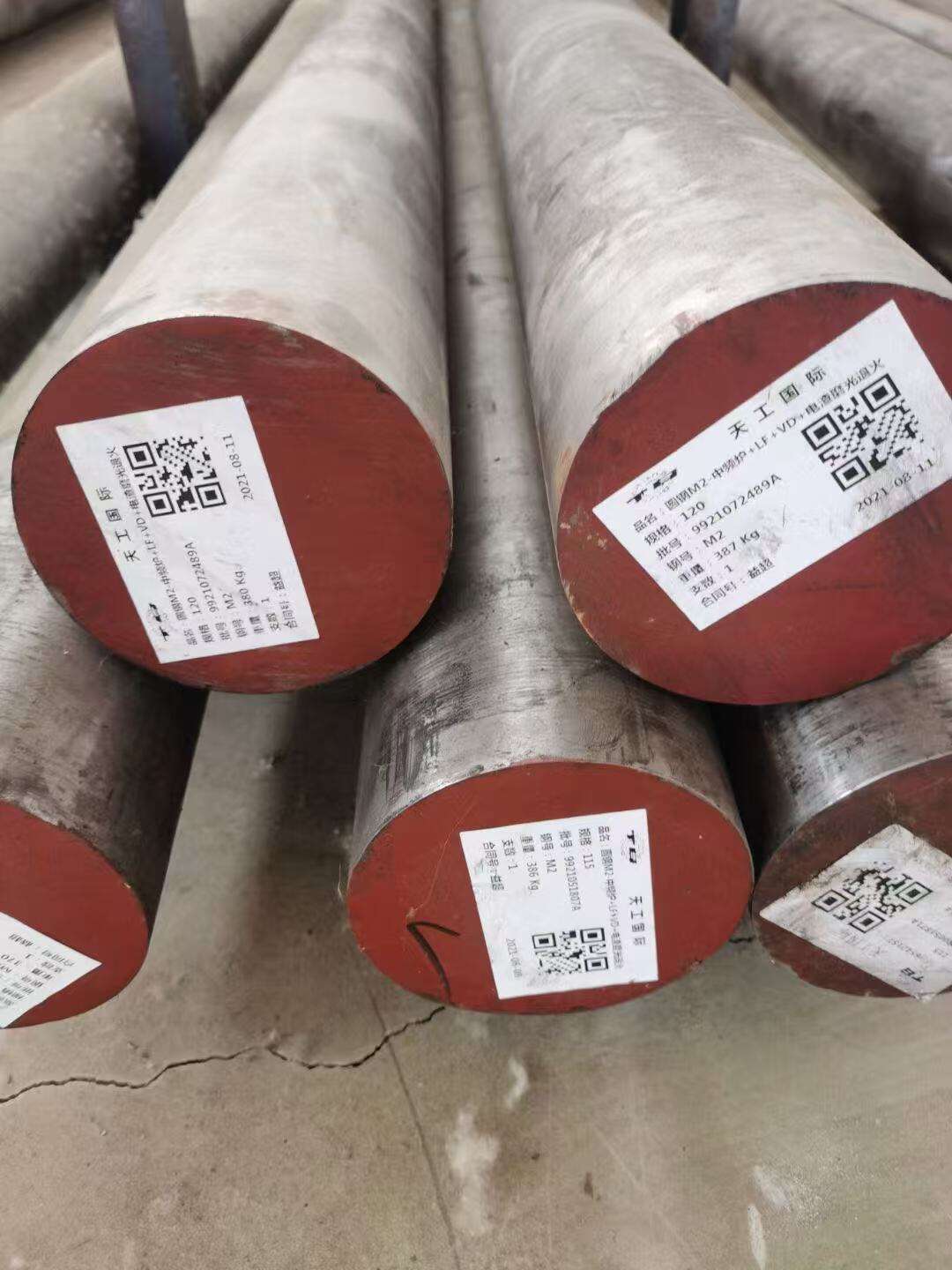
M42 Steel: Premium High-Speed Tool Steel for Superior Cutting Performance and Extended Tool Life

All Categories

m42 steel

M42 steel represents a premium grade of high-speed steel that has revolutionized modern manufacturing through its exceptional performance characteristics and versatility. This advanced cobalt-enhanced steel alloy contains approximately 8% cobalt, which significantly enhances its cutting performance and thermal stability compared to conventional high-speed steels. M42 steel achieves remarkable hardness levels of 67-70 HRC when properly heat treated, making it an ideal choice for demanding industrial applications. The steel composition includes tungsten, molybdenum, vanadium, and chromium, creating a balanced matrix that delivers superior wear resistance and edge retention. Manufacturing processes utilizing m42 steel benefit from its ability to maintain sharpness longer than standard tool steels, resulting in improved productivity and reduced downtime. The material exhibits excellent red hardness properties, meaning it retains its cutting edge even when operating at elevated temperatures generated during high-speed machining operations. M42 steel demonstrates remarkable toughness despite its high hardness, reducing the risk of tool breakage during intensive cutting operations. Industries ranging from aerospace to automotive manufacturing rely on m42 steel for producing precision cutting tools, drill bits, end mills, and specialized machining implements. The steel's microstructure contains fine carbide particles that contribute to its exceptional wear resistance, while the cobalt addition enhances its thermal conductivity and hot hardness properties. Quality control measures ensure consistent performance across different batches of m42 steel, making it a reliable choice for critical manufacturing applications where precision and durability are paramount.

New Product Releases

M42 steel delivers substantial cost savings through extended tool life, reducing the frequency of tool replacements and minimizing production interruptions. Users experience improved cutting speeds and feed rates when working with m42 steel tools, leading to enhanced productivity and shorter cycle times. The superior hardness retention of m42 steel means tools maintain their cutting edge longer, even when processing difficult-to-machine materials like stainless steel, titanium alloys, and hardened steels. Manufacturers benefit from consistent performance across varying operating conditions, as m42 steel maintains its properties under thermal stress and mechanical loading. The enhanced cobalt content in m42 steel provides superior red hardness compared to standard high-speed steels, allowing tools to operate effectively at higher cutting speeds without losing their edge. Production facilities using m42 steel experience reduced maintenance costs due to the material's exceptional durability and resistance to premature wear. The fine grain structure of m42 steel enables the production of tools with sharp cutting edges that deliver superior surface finishes on machined components. Quality improvements are evident when using m42 steel tooling, as the consistent cutting performance reduces dimensional variations and improves part accuracy. Energy efficiency increases when using m42 steel tools, as the reduced cutting forces required translate to lower power consumption during machining operations. The material's toughness characteristics prevent catastrophic tool failure, protecting expensive workpieces and reducing scrap rates in manufacturing operations. M42 steel enables manufacturers to tackle challenging materials that would quickly dull conventional tools, expanding their capabilities and market opportunities. The predictable performance of m42 steel allows for optimized machining parameters, leading to more efficient production scheduling and resource allocation. Investment in m42 steel tooling pays dividends through improved product quality, reduced operating costs, and enhanced competitive positioning in demanding manufacturing markets.

Tips And Tricks

Development trends of high-strength steel

22

Sep

Development trends of high-strength steel

The Evolution of Advanced Steel Manufacturing The metallurgical industry has witnessed a remarkable transformation in recent decades, with high-strength steel emerging as a cornerstone of modern manufacturing. This innovative material has revolutioni...
View More
Categories of high-speed tool steel

27

Nov

Categories of high-speed tool steel

Understanding Modern High-Speed Tool Steel Classifications High-speed tool steel represents one of the most significant innovations in metalworking, fundamentally transforming manufacturing capabilities across industries. These specialized steel allo...
View More
Solution paths for insufficient core hardness in die steel?‌

31

Oct

Solution paths for insufficient core hardness in die steel?‌

Understanding Core Hardness Challenges in Modern Die Steel Manufacturing Core hardness represents a critical quality parameter in die steel production that directly impacts tool performance and longevity. When manufacturers encounter insufficient cor...
View More
Is material fatigue the main cause of cracking in hot-work die steel?‌

31

Oct

Is material fatigue the main cause of cracking in hot-work die steel?‌

Understanding the Complex Nature of Hot-Work Die Steel Failures In the world of industrial manufacturing, hot-work die steel plays a crucial role in shaping and forming metals at elevated temperatures. While material fatigue is often cited as a prima...
View More

Get a Free Quote

Our representative will contact you soon.
Email
Name
Company Name
Message
0/1000

m42 steel

Exceptional Durability and Extended Tool Life

Exceptional Durability and Extended Tool Life

M42 steel stands out in the competitive landscape of cutting tool materials through its remarkable durability characteristics that translate directly into extended tool life and reduced operational costs. The unique cobalt-enhanced composition of m42 steel creates a metallurgical structure that resists wear, chipping, and edge deterioration far more effectively than conventional tool steels. This superior durability stems from the material's ability to maintain its hardness and cutting geometry even under severe operating conditions involving high temperatures, heavy cutting loads, and abrasive workpiece materials. Manufacturing operations benefit tremendously from this extended tool life, as it reduces the frequency of tool changes, minimizes machine downtime, and decreases inventory requirements for replacement tooling. The economic impact of using m42 steel becomes particularly evident in high-volume production environments where tool changes can significantly disrupt workflow and reduce overall equipment effectiveness. Quality control improvements are another significant benefit of m42 steel's durability, as tools maintain consistent cutting performance throughout their extended service life, resulting in more uniform part dimensions and surface finishes. The material's resistance to thermal degradation ensures that cutting edges remain sharp even during demanding operations that generate substantial heat, such as high-speed machining of aerospace alloys or automotive components. Users consistently report that m42 steel tools can process two to three times more parts than comparable tools made from standard high-speed steels, making the initial investment highly cost-effective. The predictable wear patterns of m42 steel allow production managers to schedule tool changes more efficiently, reducing unexpected interruptions and improving overall production planning accuracy.
Superior High-Temperature Performance and Thermal Stability

Superior High-Temperature Performance and Thermal Stability

M42 steel demonstrates exceptional thermal stability that sets it apart from conventional tool steels, maintaining its cutting performance and hardness characteristics even when subjected to the intense heat generated during high-speed machining operations. This thermal stability results from the carefully balanced alloy composition, particularly the cobalt addition, which enhances the steel's ability to resist softening at elevated temperatures. The superior red hardness properties of m42 steel allow cutting tools to operate at higher speeds and feeds without experiencing the rapid edge deterioration that plagues standard tool materials under similar conditions. Manufacturing processes benefit significantly from this thermal stability, as it enables more aggressive cutting parameters that increase productivity while maintaining tool integrity. The material's ability to dissipate heat efficiently prevents the formation of built-up edges and reduces the likelihood of workpiece surface damage caused by excessive heat generation. Quality improvements are evident when using m42 steel in thermally demanding applications, as the consistent cutting performance eliminates the temperature-related variations that can affect part dimensions and surface finishes. Industries processing heat-resistant alloys, such as aerospace and energy sectors, particularly value m42 steel's thermal properties, as these materials generate significant heat during machining operations. The enhanced thermal conductivity of m42 steel helps distribute heat away from the cutting edge, reducing thermal stress concentrations that can lead to premature tool failure. Production efficiency increases when using m42 steel in continuous machining operations, as the material's thermal stability allows for sustained high-performance cutting without the need for frequent cooling intervals or reduced cutting parameters.
Versatile Applications Across Multiple Industries

Versatile Applications Across Multiple Industries

M42 steel's exceptional versatility makes it the preferred choice across diverse industrial sectors, from precision aerospace manufacturing to high-volume automotive production, demonstrating its adaptability to various cutting challenges and material requirements. This versatility stems from the material's balanced combination of hardness, toughness, and wear resistance, which enables effective machining of everything from soft aluminum alloys to hardened tool steels and exotic superalloys. Aerospace manufacturers rely on m42 steel for producing complex components from titanium, Inconel, and other challenging materials that demand superior cutting tool performance and reliability. The automotive industry benefits from m42 steel's ability to maintain sharp cutting edges during high-volume production runs, ensuring consistent part quality while minimizing tool-related downtime. Medical device manufacturing operations utilize m42 steel tools for precision machining of stainless steel implants and surgical instruments, where surface finish quality and dimensional accuracy are critical requirements. Tool and die shops appreciate m42 steel's capability to machine hardened steels directly, eliminating the need for costly post-hardening machining operations and reducing overall production time. The material performs exceptionally well in drilling applications, producing clean holes with excellent dimensional accuracy in both ferrous and non-ferrous materials. Milling operations benefit from m42 steel's ability to maintain sharp cutting edges during interrupted cutting, reducing vibration and improving surface finish quality. The versatility extends to specialized applications such as gear cutting, thread milling, and form tools, where the material's consistent performance ensures accurate reproduction of complex geometries. Manufacturing facilities processing diverse material types can standardize on m42 steel tooling, reducing inventory complexity while maintaining optimal cutting performance across their entire product range.

M42 Steel: Premium High-Speed Tool Steel for Superior Cutting Performance and Extended Tool Life

Get a Free Quote

Our representative will contact you soon.
Email
Name
Company Name
Message
0/1000