a2 steel
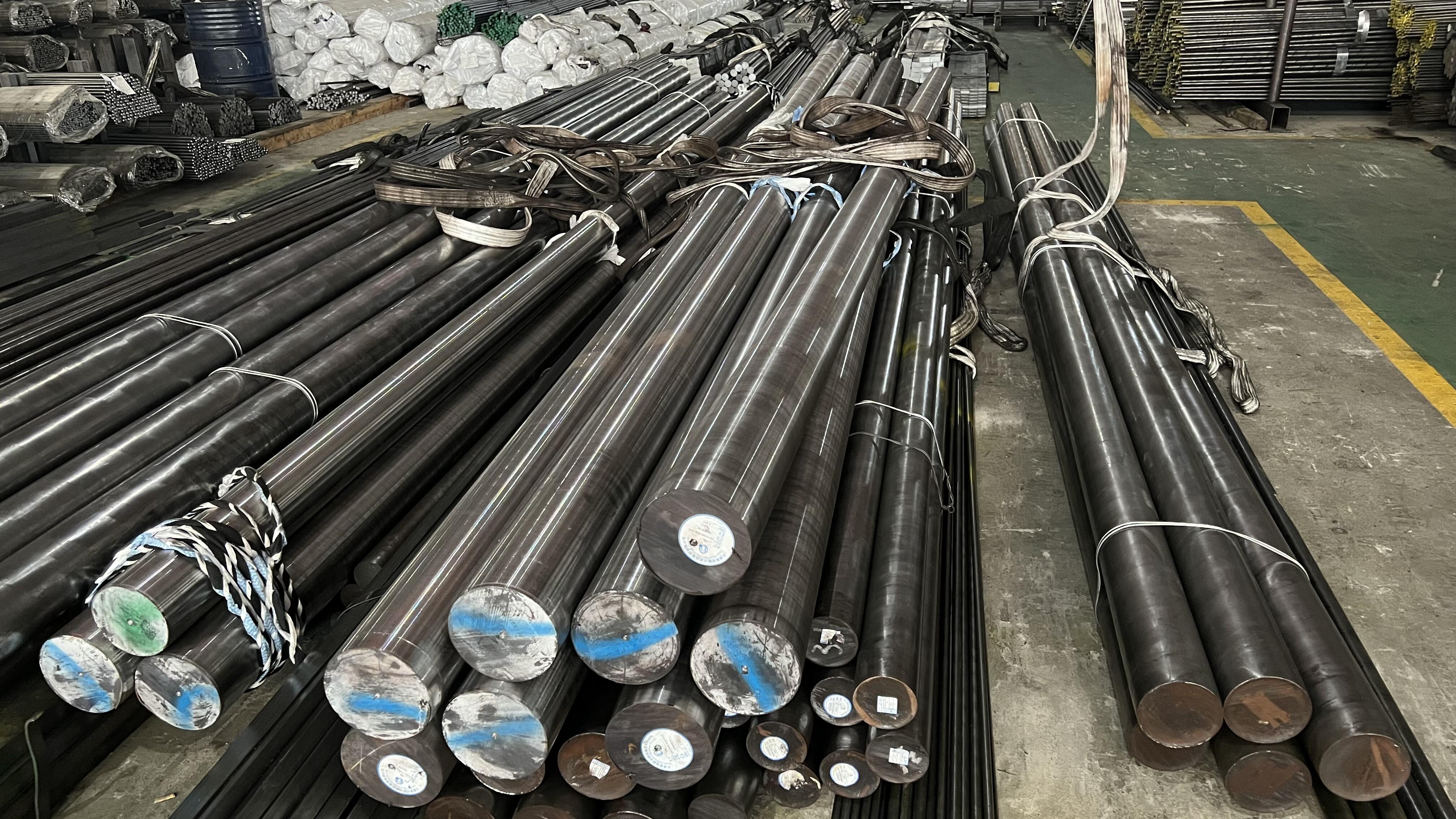
A2 steel represents one of the most versatile and widely utilized air-hardening tool steels in modern manufacturing applications. This chromium-molybdenum-vanadium alloy belongs to the AISI A-series classification, specifically designed to deliver exceptional performance in demanding industrial environments. The fundamental composition of a2 steel includes approximately 5% chromium, 1% molybdenum, and small percentages of vanadium and carbon, creating a balanced chemical structure that provides outstanding mechanical properties. The primary functions of a2 steel center around its ability to maintain hardness levels between 57-62 HRC while offering superior toughness compared to other tool steels. This unique combination makes it ideal for cutting tools, punches, dies, and forming applications where both durability and precision are essential. The technological features that distinguish a2 steel include its air-hardening capability, which eliminates the need for oil or water quenching during heat treatment processes. This characteristic significantly reduces the risk of warping or cracking during manufacturing, ensuring dimensional stability in finished components. The steel exhibits excellent machinability in its annealed condition, allowing manufacturers to achieve precise tolerances and smooth surface finishes with standard machining equipment. A2 steel demonstrates remarkable wear resistance due to its balanced carbide structure, making it suitable for high-volume production runs where tool longevity is crucial. The applications of a2 steel span across numerous industries, including automotive manufacturing, aerospace components, medical device production, and general machining operations. Common applications include blanking dies, forming dies, thread rolling dies, punches, shear blades, and various cutting tools. The steel's ability to maintain sharp cutting edges while resisting chipping and breaking makes it particularly valuable in precision manufacturing processes. Additionally, a2 steel performs excellently in cold work applications where impact resistance and dimensional stability are critical requirements for successful operation.

 EN
EN