Professional Steel Bar Bending Solutions - Precision Equipment & Services

All Categories

steel bar bending

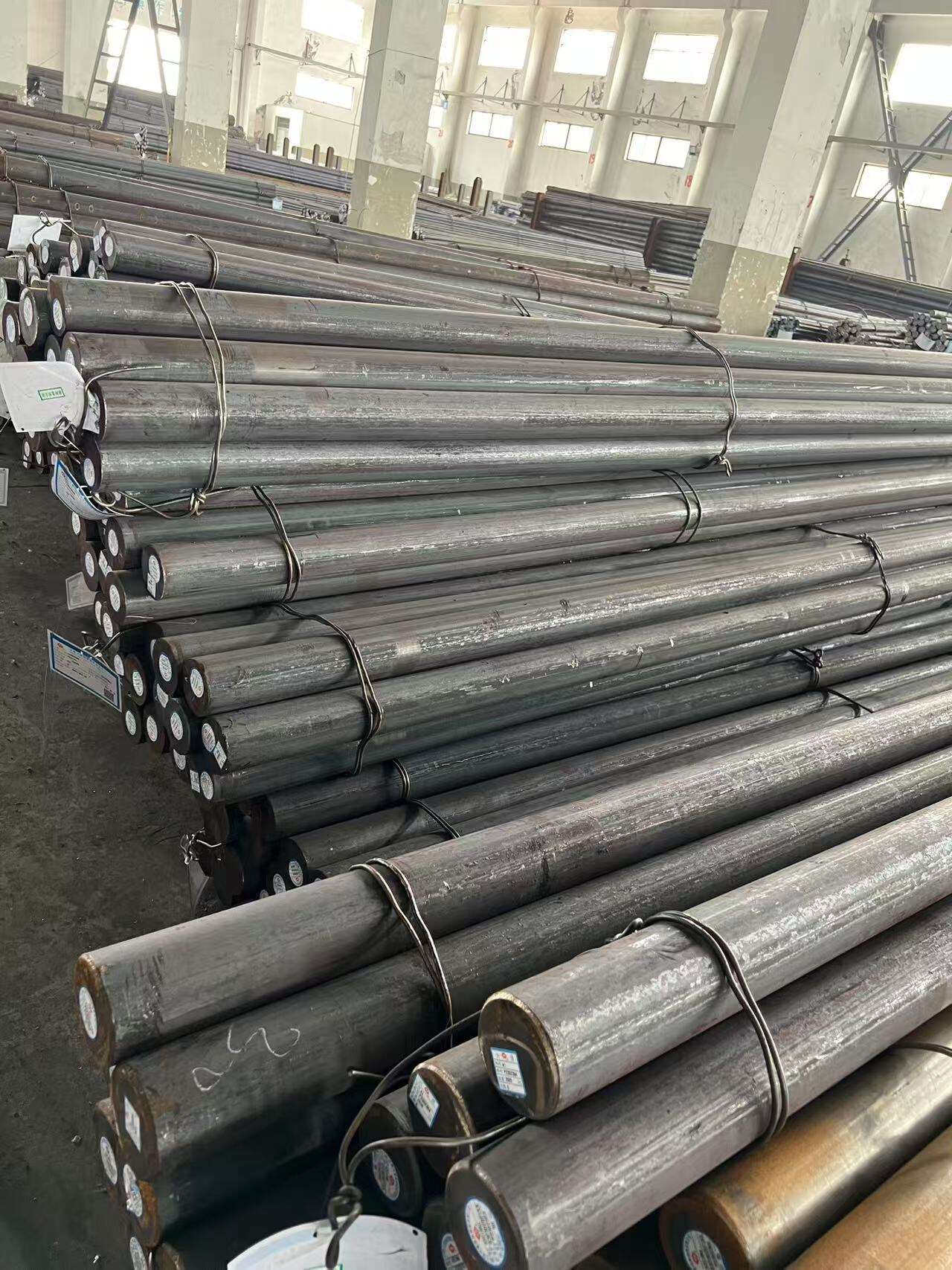
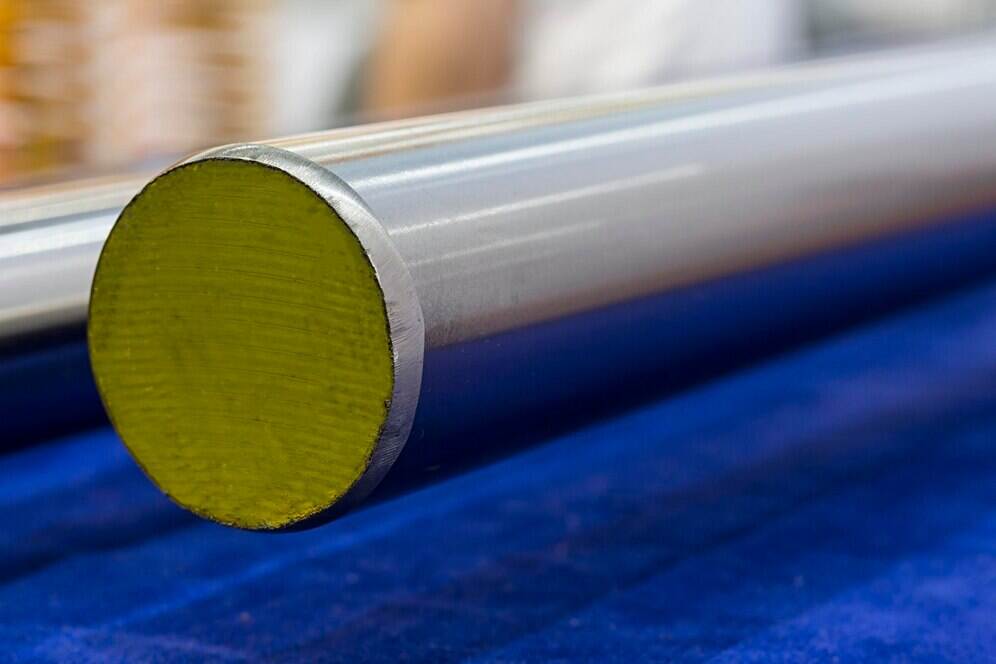
Steel bar bending represents a fundamental process in construction and manufacturing industries, transforming straight steel reinforcement bars into precisely shaped configurations required for structural applications. This essential metalworking technique involves the controlled deformation of steel bars using specialized equipment to create angles, curves, and complex geometric patterns that meet specific engineering requirements. The steel bar bending process utilizes hydraulic, mechanical, or manual bending machines that apply controlled force to reshape steel bars without compromising their structural integrity or material properties. Modern steel bar bending operations incorporate advanced technology to ensure accurate bend angles, consistent radius formations, and optimal material utilization. The process accommodates various steel bar diameters, ranging from small reinforcement rods to heavy structural bars, making it versatile for diverse construction projects. Steel bar bending equipment features adjustable bending dies, programmable controls, and safety mechanisms that protect operators while maintaining production efficiency. The technological aspects of steel bar bending include precise angle measurement systems, automated feeding mechanisms, and computerized control panels that store bending sequences for repetitive operations. Quality control measures during steel bar bending ensure that finished products meet industry standards and project specifications. The bending process considers material properties such as tensile strength, yield point, and elongation characteristics to prevent cracking or structural weakness. Applications of steel bar bending span across residential construction, commercial building projects, infrastructure development, and industrial manufacturing. The versatility of steel bar bending makes it indispensable for creating reinforcement frameworks, structural supports, and custom metalwork components that form the backbone of modern construction projects.

Popular Products

Steel bar bending offers numerous practical benefits that directly impact project efficiency and construction quality. The primary advantage lies in the ability to create custom-shaped reinforcement elements that perfectly match architectural designs and engineering specifications. This customization capability eliminates the need for costly modifications during construction phases and reduces material waste significantly. Steel bar bending enhances structural integrity by providing precisely formed reinforcement that distributes loads effectively throughout concrete structures. The process ensures consistent bend quality across all pieces, maintaining uniformity that is crucial for structural performance and safety standards. Cost-effectiveness represents another major benefit of steel bar bending, as it allows contractors to optimize material usage and reduce overall project expenses. The precision achieved through modern steel bar bending equipment minimizes rework and corrections, saving valuable time and labor costs. Productivity improvements are substantial when using automated steel bar bending systems that can process multiple bars simultaneously while maintaining accuracy. The flexibility of steel bar bending accommodates last-minute design changes without significant delays or additional costs. Quality control benefits include reduced human error, consistent bend angles, and standardized production processes that meet stringent construction codes. Safety advantages emerge from using proper steel bar bending equipment that protects workers from manual handling injuries and repetitive strain. Environmental benefits include reduced material waste, efficient resource utilization, and the ability to recycle bent steel products. Time savings are considerable when using advanced steel bar bending machinery that processes complex shapes quickly and accurately. The scalability of steel bar bending operations allows businesses to handle projects of varying sizes efficiently. Documentation capabilities in modern steel bar bending systems provide detailed records for quality assurance and project tracking purposes. Training requirements are minimal for operators using automated steel bar bending equipment, reducing learning curves and operational costs.

Tips And Tricks

How to Improve the Quality of Steel by Cold Rolling

08

Jul

How to Improve the Quality of Steel by Cold Rolling

Understanding Cold Rolling's Role in Steel Quality Cold rolling stands out as a manufacturing technique where steel gets compressed between rollers at normal temperatures rather than being heated first. When compared to hot rolling processes that w...
View More
Top Industrial Applications for Cr-Mo Steel

27

Aug

Top Industrial Applications for Cr-Mo Steel

Understanding the Role of Cr-Mo Steel in Industry The industrial sector consistently demands materials that combine strength, durability, and resistance to extreme environments. Cr-Mo Steel has emerged as a preferred alloy across industries because o...
View More
Application fields of tool steel

27

Nov

Application fields of tool steel

Understanding the Versatility of Modern Tool Steel Tool steel represents one of the most versatile and robust materials in modern manufacturing and industrial applications. This specialized form of steel, characterized by its exceptional hardness, re...
View More
Is material fatigue the main cause of cracking in hot-work die steel?‌

31

Oct

Is material fatigue the main cause of cracking in hot-work die steel?‌

Understanding the Complex Nature of Hot-Work Die Steel Failures In the world of industrial manufacturing, hot-work die steel plays a crucial role in shaping and forming metals at elevated temperatures. While material fatigue is often cited as a prima...
View More

Get a Free Quote

Our representative will contact you soon.
Email
Name
Company Name
Message
0/1000

steel bar bending

Advanced Precision Technology for Optimal Results

Advanced Precision Technology for Optimal Results

Modern steel bar bending incorporates cutting-edge precision technology that revolutionizes how construction projects achieve structural excellence. The integration of computer-controlled systems ensures that every bend meets exact specifications with millimeter-level accuracy, eliminating the inconsistencies that plague manual bending methods. Advanced servo motors and hydraulic systems work in harmony to deliver consistent force application throughout the bending process, preventing material stress concentrations that could compromise structural integrity. Digital angle measurement systems provide real-time feedback, allowing operators to make immediate adjustments and maintain quality standards throughout production runs. The precision technology extends to programmable memory functions that store complex bending sequences, enabling rapid reproduction of identical components for large-scale projects. This technological sophistication translates directly into cost savings for contractors who can rely on consistent results without the need for extensive quality checking and rework. The advanced positioning systems ensure proper material alignment before each bend, reducing waste and maximizing material utilization efficiency. Temperature compensation features account for thermal expansion effects, maintaining accuracy even under varying environmental conditions. Touch-screen interfaces simplify operation while providing comprehensive data logging capabilities that support quality assurance documentation. The precision achieved through these advanced systems enables contractors to meet the most demanding architectural requirements while maintaining structural safety standards. Integration with CAD software allows direct importing of design specifications, streamlining the transition from design to production. This technological advancement represents a significant competitive advantage for construction companies seeking to deliver superior quality while controlling costs and maintaining project schedules.
Versatile Applications Across Multiple Industries

Versatile Applications Across Multiple Industries

Steel bar bending demonstrates remarkable versatility that extends far beyond traditional construction applications, serving diverse industries with specialized requirements. In the construction sector, steel bar bending creates essential reinforcement elements for concrete structures, including complex geometries for curved walls, spiral staircases, and architectural features that demand precise shaping. The automotive industry utilizes steel bar bending for manufacturing chassis components, roll cage structures, and safety framework elements that require specific angles and curves for optimal performance. Marine construction projects benefit from steel bar bending capabilities that produce corrosion-resistant reinforcement for piers, breakwaters, and offshore structures exposed to harsh environmental conditions. Industrial manufacturing relies on steel bar bending for creating machinery frames, conveyor supports, and equipment housings that must withstand heavy loads and continuous operation. Infrastructure projects including bridges, tunnels, and highways depend on steel bar bending to produce reinforcement systems that ensure long-term structural stability under varying load conditions. The agricultural sector employs steel bar bending for constructing greenhouse frameworks, irrigation supports, and livestock facilities that require durable yet flexible structural solutions. Precast concrete manufacturing utilizes steel bar bending extensively to create reinforcement cages that are embedded within concrete elements during the casting process. Artistic and decorative applications showcase the aesthetic potential of steel bar bending in creating ornamental railings, sculptural elements, and architectural details that combine functionality with visual appeal. Mining operations require steel bar bending for support structures, equipment frames, and safety barriers that must withstand extreme conditions and heavy usage. The energy sector, including renewable energy projects, depends on steel bar bending for wind turbine foundations, solar panel mounting systems, and power transmission infrastructure that requires precise geometric specifications.
Enhanced Safety and Efficiency in Operations

Enhanced Safety and Efficiency in Operations

Steel bar bending operations prioritize worker safety and operational efficiency through comprehensive design features and protective mechanisms that create secure working environments. Modern steel bar bending equipment incorporates multiple safety systems including emergency stop controls, protective guards, and automatic shut-off features that prevent accidents during operation. The ergonomic design of contemporary steel bar bending machines reduces physical strain on operators by minimizing manual lifting requirements and providing optimal working heights for comfortable operation. Automated feeding systems eliminate the need for workers to manually position heavy steel bars, significantly reducing injury risks associated with material handling. Safety light curtains and pressure-sensitive mats create protective zones around steel bar bending equipment that immediately halt operations when personnel enter hazardous areas. The enclosed design of many steel bar bending systems contains debris and prevents material ejection that could pose safety risks to nearby workers. Training protocols for steel bar bending operations emphasize safety procedures and proper equipment usage, ensuring operators understand risk management and emergency procedures. Efficiency improvements in steel bar bending stem from automated processes that operate continuously with minimal supervision, allowing operators to focus on quality control and setup tasks. The integration of predictive maintenance systems monitors equipment performance and alerts operators to potential issues before they cause downtime or safety concerns. Remote monitoring capabilities enable supervisors to oversee multiple steel bar bending operations simultaneously while maintaining safety standards. Quick-change tooling systems reduce setup times between different bending operations, maximizing productive time while maintaining safety protocols. The standardization of safety procedures across steel bar bending operations creates consistent working conditions that reduce training requirements and improve overall workplace safety. Documentation systems track safety compliance and operational performance, providing valuable data for continuous improvement initiatives in both safety and efficiency metrics.
Professional Steel Bar Bending Solutions - Precision Equipment & Services

Get a Free Quote

Our representative will contact you soon.
Email
Name
Company Name
Message
0/1000