Premium Alloy Steel Bar Solutions - Superior Strength, Durability & Performance

All Categories

alloy steel bar

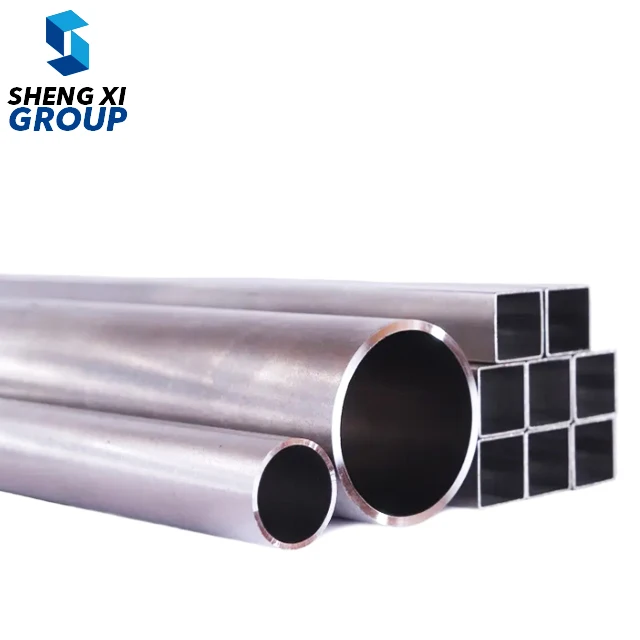
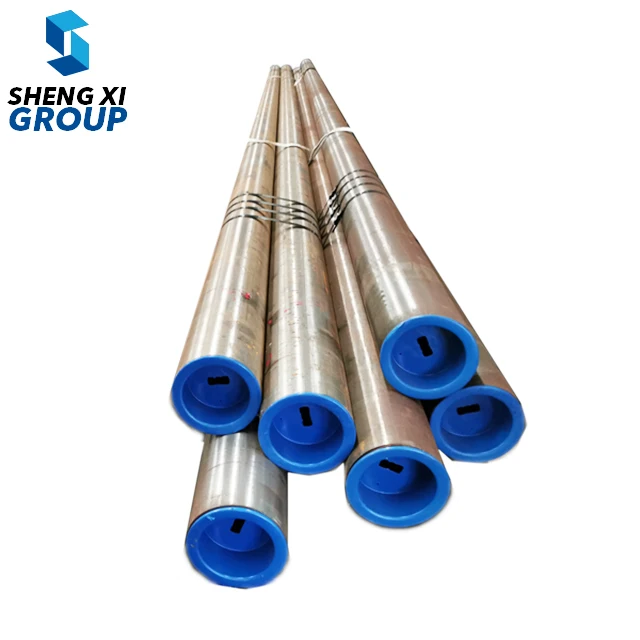
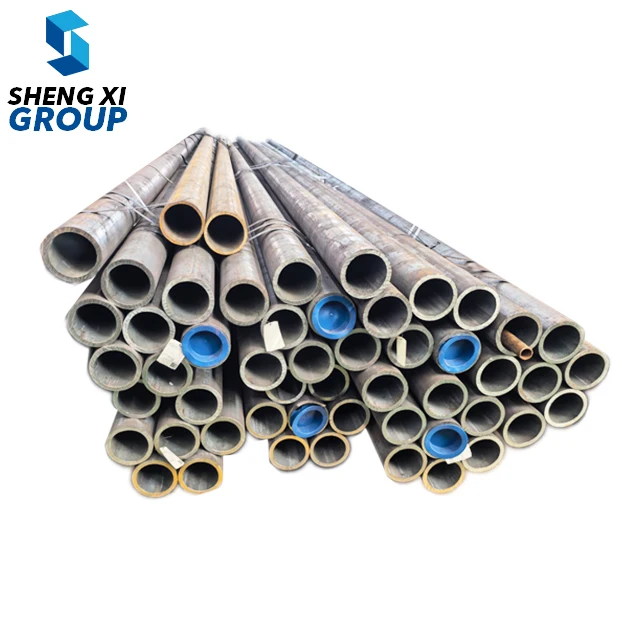
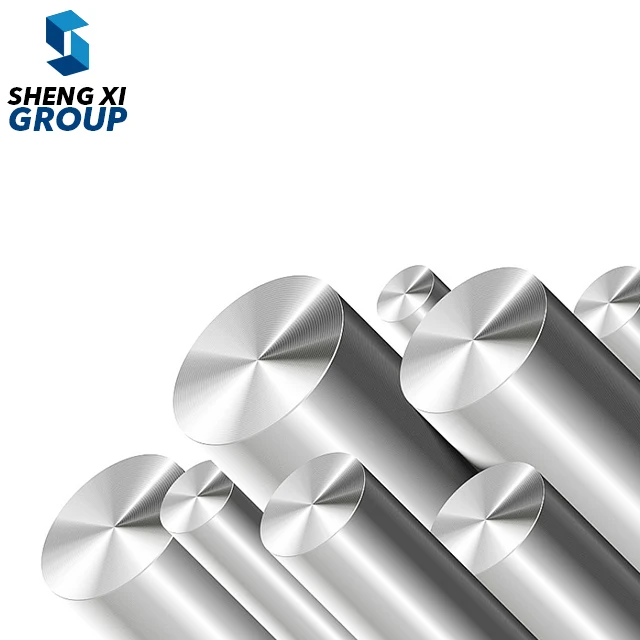
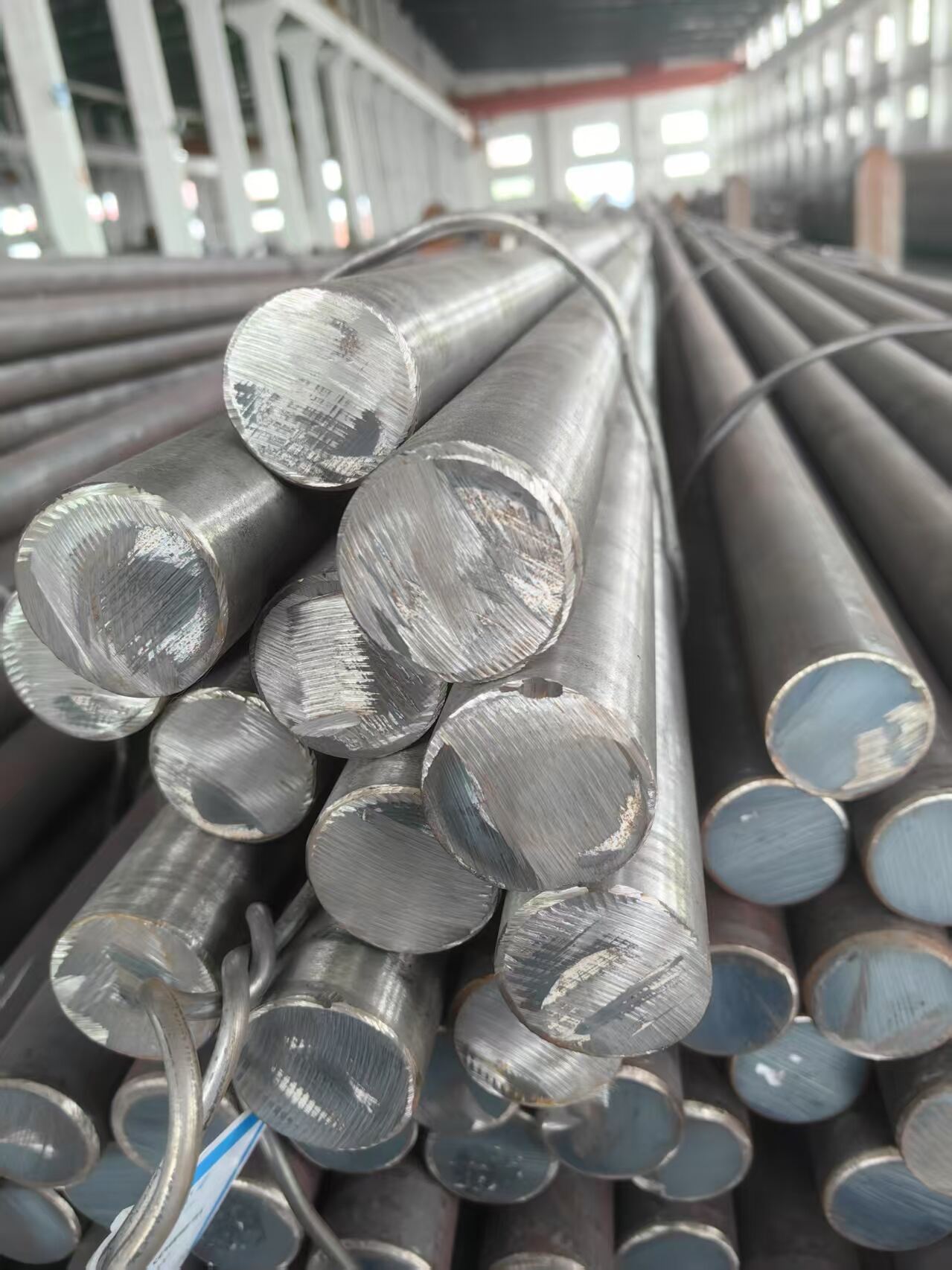
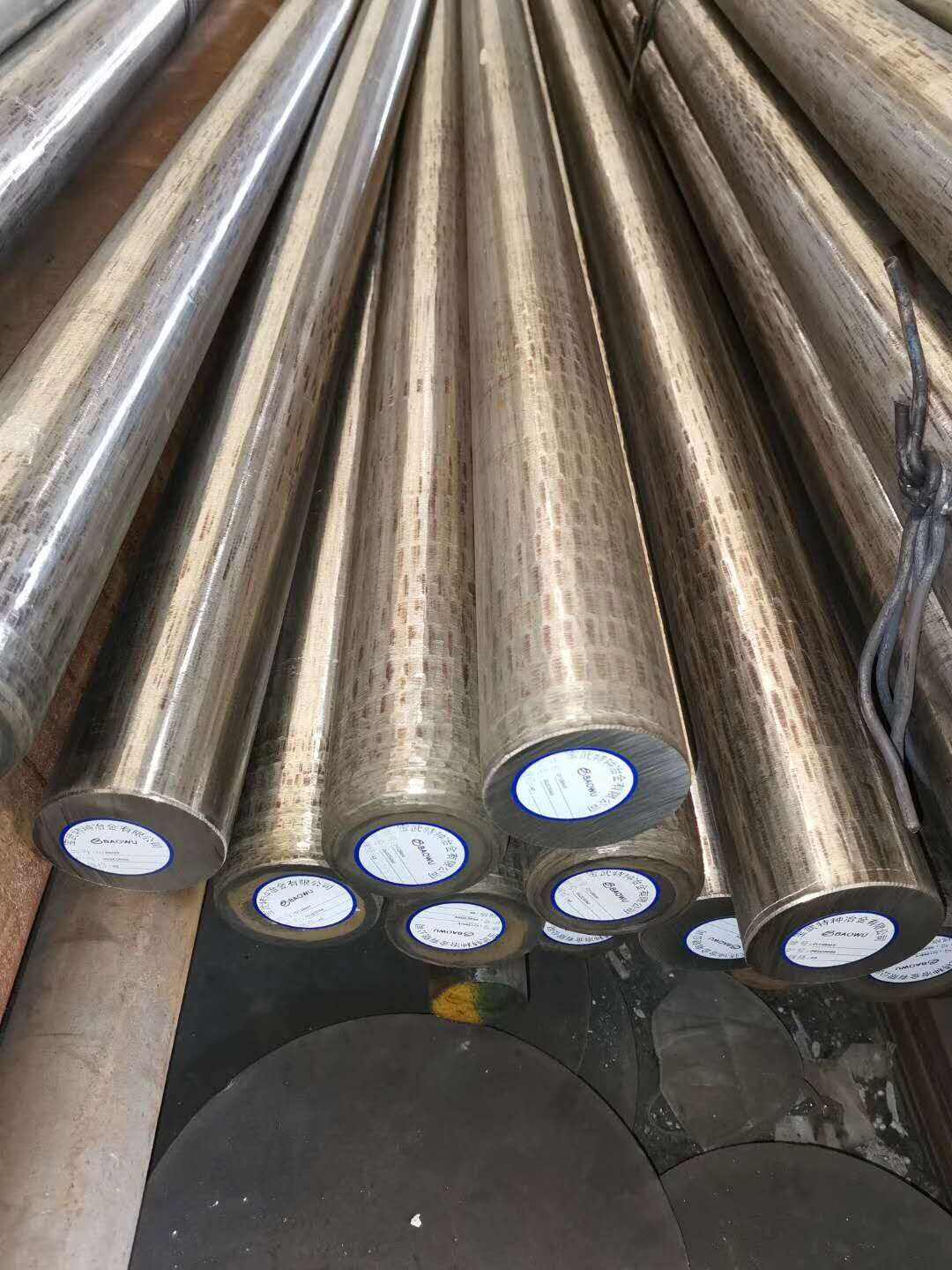
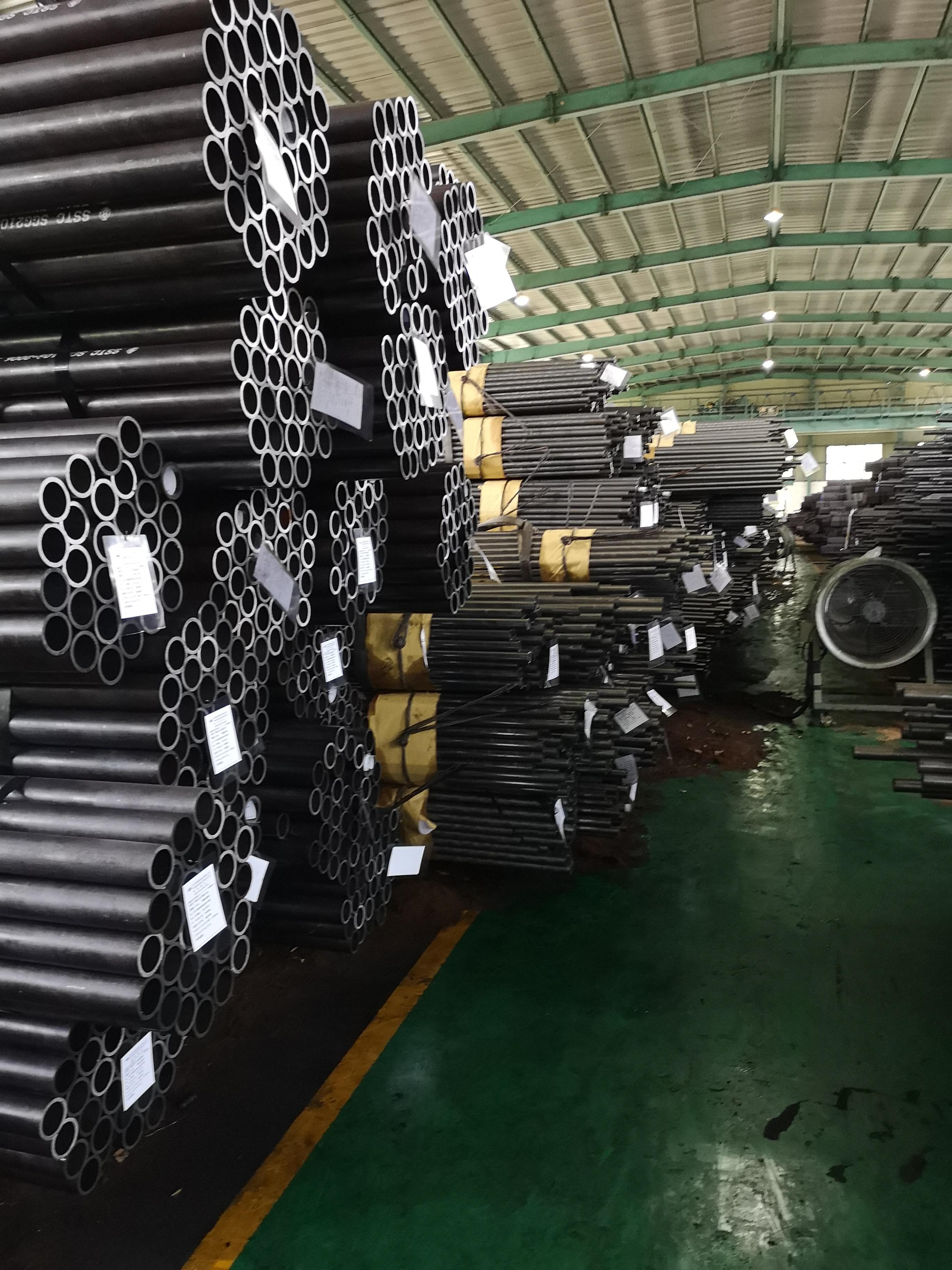
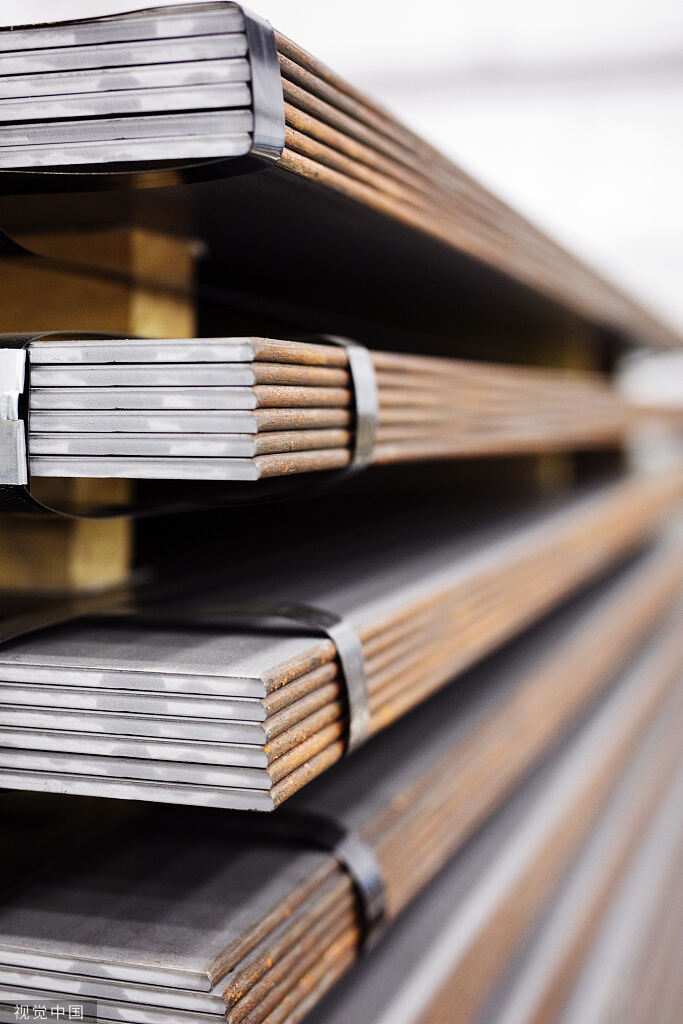
Alloy steel bar represents a sophisticated metallurgical solution that combines iron with strategic additions of various alloying elements to create superior performance characteristics. These engineered materials incorporate elements such as chromium, nickel, molybdenum, manganese, and vanadium in precise proportions to achieve specific mechanical and chemical properties. The primary function of alloy steel bar involves providing enhanced strength, durability, and resistance to environmental factors compared to conventional carbon steel alternatives. Manufacturing processes employ advanced heat treatment techniques, including quenching and tempering, to optimize the microstructure and deliver consistent quality across production batches. The technological features of alloy steel bar include improved hardenability, which allows for uniform hardness penetration throughout cross-sections, and enhanced toughness that prevents brittle failure under dynamic loading conditions. Corrosion resistance properties vary depending on the specific alloy composition, with stainless variants offering exceptional protection against oxidation and chemical attack. Applications span numerous industrial sectors, including automotive manufacturing for crankshafts and transmission components, aerospace engineering for landing gear and structural elements, and construction projects requiring high-strength reinforcement materials. Oil and gas industries utilize alloy steel bar for drilling equipment and pipeline components that must withstand extreme pressures and corrosive environments. Power generation facilities depend on these materials for turbine blades, generator shafts, and pressure vessel construction. The versatility of alloy steel bar extends to tool and die manufacturing, where specific grades provide the hardness and wear resistance necessary for precision machining operations. Marine applications benefit from the saltwater resistance of specialized alloy compositions, while mining equipment relies on the impact resistance and durability these materials provide in harsh operating conditions.

New Product Recommendations

The superior strength-to-weight ratio of alloy steel bar delivers exceptional performance benefits that directly translate to cost savings and operational efficiency for industrial applications. This enhanced strength allows engineers to design lighter structures without compromising safety margins, reducing material consumption and transportation costs while maintaining structural integrity. The improved fatigue resistance of alloy steel bar significantly extends service life compared to standard steel alternatives, reducing maintenance frequencies and replacement expenses over the operational lifetime of equipment and infrastructure. Heat treatment capabilities provide manufacturers with precise control over mechanical properties, enabling customization of hardness, tensile strength, and ductility to match specific application requirements. This flexibility eliminates the need for oversized components and allows for optimized designs that maximize performance while minimizing weight and material costs. Corrosion resistance properties reduce the necessity for protective coatings and maintenance interventions, particularly in harsh environments where standard steel would require frequent replacement or extensive surface treatments. The dimensional stability of alloy steel bar under thermal cycling and mechanical stress ensures consistent performance and reduces the risk of component failure due to distortion or cracking. Manufacturing processes benefit from the improved machinability of many alloy steel grades, which reduces tool wear and increases production speeds, directly impacting manufacturing costs and delivery schedules. The wide range of available compositions allows selection of the most economical alloy that meets performance requirements, avoiding over-specification while ensuring adequate safety factors. Quality consistency across production batches reduces rejection rates and rework costs, improving overall manufacturing efficiency and product reliability. Supply chain advantages include widespread availability from multiple sources and standardized specifications that ensure compatibility across different suppliers and geographic regions. Long-term economic benefits emerge from the extended service life, reduced maintenance requirements, and improved operational reliability that alloy steel bar provides across diverse industrial applications.

Tips And Tricks

Application of Different Types of Mould Steel

08

Jul

Application of Different Types of Mould Steel

Introduction to Mould Steel Fundamentals Mould steel stands out as one of those essential materials found throughout manufacturing sectors where it plays a key part in making all sorts of molds and dies. What makes this stuff special? Well, manufac...
View More
What Is Cr-Mo Steel and Why It Matters

27

Aug

What Is Cr-Mo Steel and Why It Matters

Understanding the Revolutionary Alloy That Powers Modern Industry In the evolving landscape of metallurgy, Cr-Mo steel stands as a testament to human innovation in material science. This remarkable alloy, combining chromium and molybdenum with steel,...
View More
How to select appropriate high-temperature alloys

22

Sep

How to select appropriate high-temperature alloys

Understanding the Critical Role of Heat-Resistant Materials in Modern Industry High-temperature alloys represent a crucial category of engineering materials that enable numerous industrial processes and applications where standard metals would fail. ...
View More
Solution paths for insufficient core hardness in die steel?‌

31

Oct

Solution paths for insufficient core hardness in die steel?‌

Understanding Core Hardness Challenges in Modern Die Steel Manufacturing Core hardness represents a critical quality parameter in die steel production that directly impacts tool performance and longevity. When manufacturers encounter insufficient cor...
View More

Get a Free Quote

Our representative will contact you soon.
Email
Name
Company Name
Message
0/1000

alloy steel bar

Superior Mechanical Properties and Performance Reliability

Superior Mechanical Properties and Performance Reliability

The exceptional mechanical properties of alloy steel bar stem from carefully controlled metallurgical processes that create optimized microstructures capable of withstanding extreme operating conditions. Advanced alloying techniques incorporate specific elements like chromium for hardenability, nickel for toughness, and molybdenum for high-temperature strength, resulting in materials that significantly outperform conventional steel alternatives. The enhanced tensile strength capabilities allow alloy steel bar to handle greater loads while maintaining dimensional stability, making it ideal for critical structural applications where failure is not acceptable. Impact resistance properties ensure reliable performance under dynamic loading conditions, preventing catastrophic failures that could result in costly downtime and safety hazards. The superior fatigue resistance of alloy steel bar enables components to withstand millions of stress cycles without developing cracks or experiencing degradation, which is particularly valuable in rotating machinery and automotive applications where cyclic loading is constant. Heat treatment processes, including controlled heating and cooling cycles, allow manufacturers to achieve precise hardness levels throughout the material cross-section, ensuring consistent performance characteristics that meet stringent engineering specifications. The combination of strength and toughness prevents brittle failure modes while maintaining the ability to absorb energy during impact events, providing a safety margin that protects both equipment and personnel. Quality control measures during production ensure that each alloy steel bar meets rigorous standards for chemical composition, mechanical properties, and dimensional tolerances, delivering predictable performance that engineers can confidently incorporate into their designs. These superior mechanical properties translate directly into longer service life, reduced maintenance costs, and improved operational reliability across a wide range of industrial applications where performance and dependability are paramount considerations.
Versatile Alloy Compositions for Specialized Applications

Versatile Alloy Compositions for Specialized Applications

The remarkable versatility of alloy steel bar compositions enables precise matching of material properties to specific application requirements, providing engineers with an extensive palette of options to optimize performance while controlling costs. Different alloying elements contribute unique characteristics that can be combined in various proportions to achieve targeted properties, such as corrosion resistance, high-temperature stability, or enhanced machinability. Chromium additions create stainless grades that resist oxidation and chemical attack, making them suitable for food processing equipment, medical devices, and marine applications where contamination prevention is critical. Nickel-enhanced compositions provide exceptional low-temperature toughness, preventing brittle failure in cryogenic applications and cold climate installations where standard materials become unreliable. Molybdenum-containing alloys offer superior high-temperature strength and creep resistance, essential for power generation equipment, petrochemical processing, and aerospace components that operate under extreme thermal conditions. Vanadium additions refine grain structure and improve hardenability, resulting in materials with exceptional wear resistance ideal for cutting tools, dies, and high-stress mechanical components. The ability to customize alloy compositions allows manufacturers to select the most cost-effective material that meets performance requirements without over-specification, optimizing both initial costs and lifecycle economics. Specialized grades address unique challenges such as hydrogen embrittlement resistance for oil and gas applications, magnetic properties for electrical equipment, or specific thermal expansion characteristics for precision instruments. This compositional flexibility extends to surface treatments and coatings that can be applied to alloy steel bar, further expanding the range of possible applications and performance enhancements. The availability of standardized grades ensures compatibility with existing designs while allowing for future upgrades and improvements as technology advances and requirements evolve.
Cost-Effective Long-Term Investment and Economic Benefits

Cost-Effective Long-Term Investment and Economic Benefits

Investing in alloy steel bar represents a strategic economic decision that delivers substantial long-term value through reduced lifecycle costs, improved operational efficiency, and enhanced reliability compared to alternative materials. The initial premium cost of alloy steel bar is quickly offset by extended service life that can be three to five times longer than standard steel alternatives, dramatically reducing replacement frequencies and associated downtime costs. Maintenance savings accumulate over time as the superior corrosion resistance and mechanical properties of alloy steel bar reduce the need for protective treatments, repairs, and component replacements that would be necessary with inferior materials. The enhanced strength characteristics allow for lighter, more efficient designs that reduce material consumption, transportation costs, and installation expenses while maintaining or improving performance standards. Manufacturing efficiency benefits emerge from the improved machinability and dimensional stability of many alloy steel grades, which reduce production time, tool wear, and quality control issues that can impact delivery schedules and customer satisfaction. Energy savings result from the lighter weight and improved efficiency of components made from alloy steel bar, particularly in transportation applications where reduced mass directly translates to lower fuel consumption and operating costs. Insurance and liability benefits arise from the improved safety and reliability characteristics of alloy steel bar, which reduce the risk of equipment failure and associated claims while potentially qualifying for lower premium rates. Supply chain advantages include stable availability from multiple sources, standardized specifications that ensure interchangeability, and established recycling processes that recover value at end-of-life. The proven track record of alloy steel bar in demanding applications provides confidence in performance predictions and enables accurate lifecycle cost modeling that supports informed procurement decisions. These economic benefits compound over time, making alloy steel bar an intelligent investment for organizations focused on operational excellence and long-term profitability.
Premium Alloy Steel Bar Solutions - Superior Strength, Durability & Performance

Get a Free Quote

Our representative will contact you soon.
Email
Name
Company Name
Message
0/1000