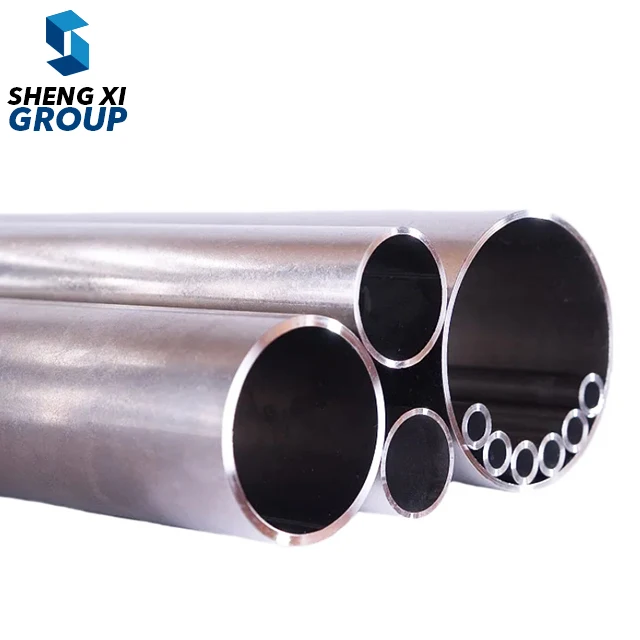
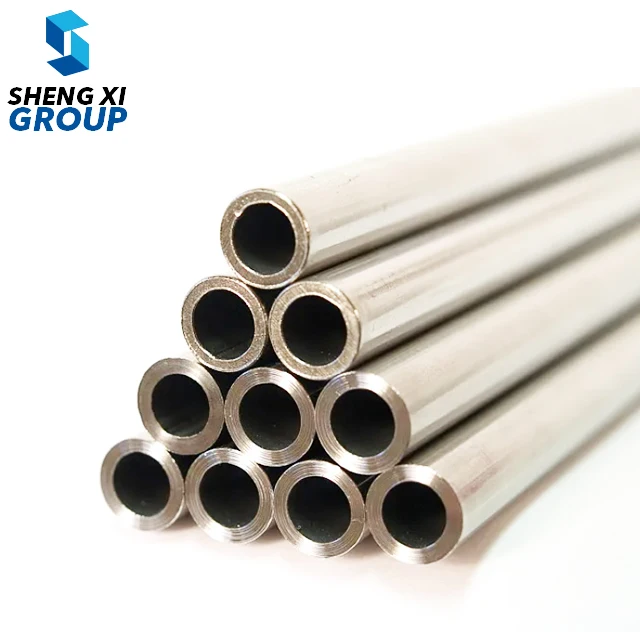
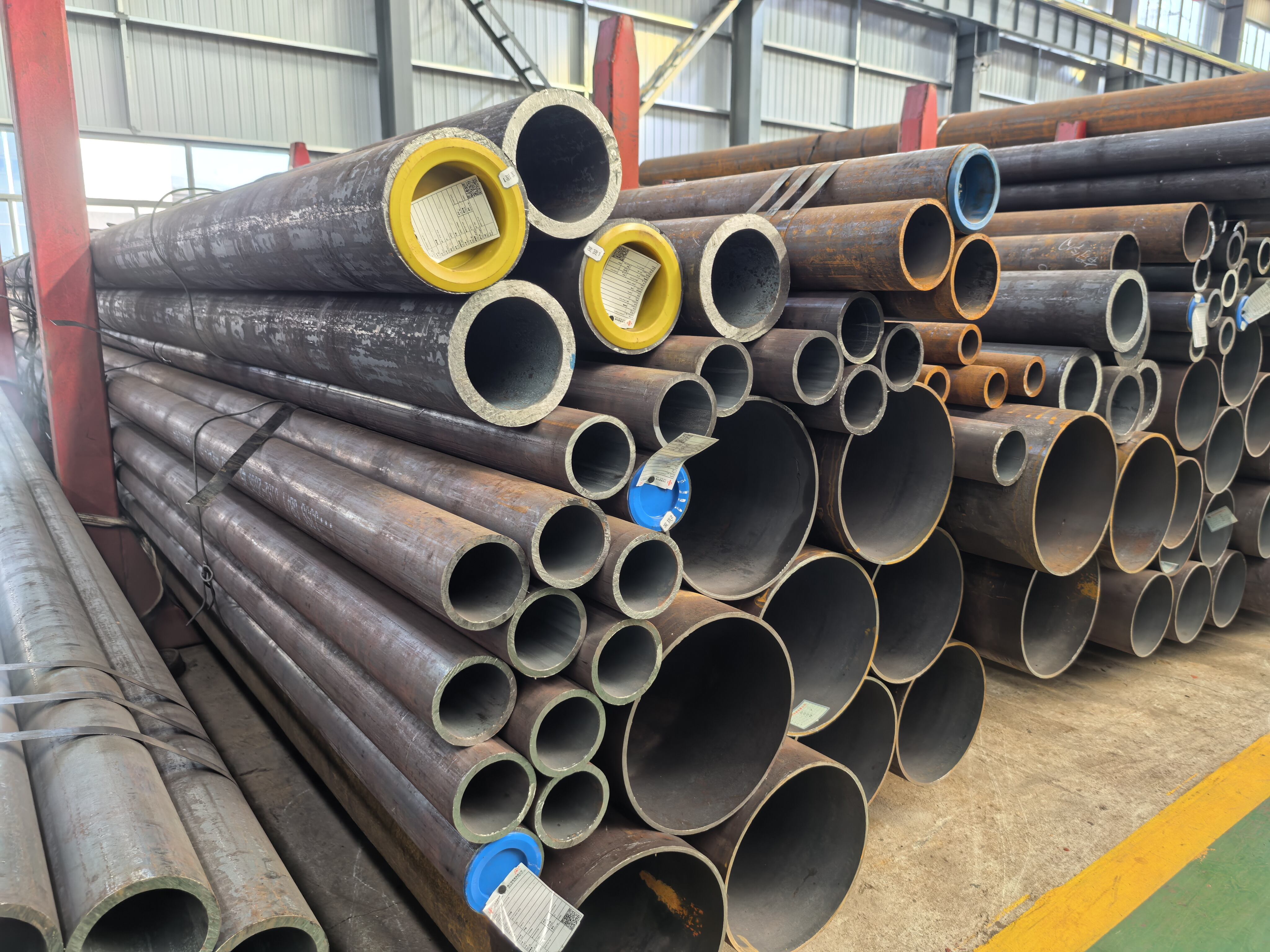
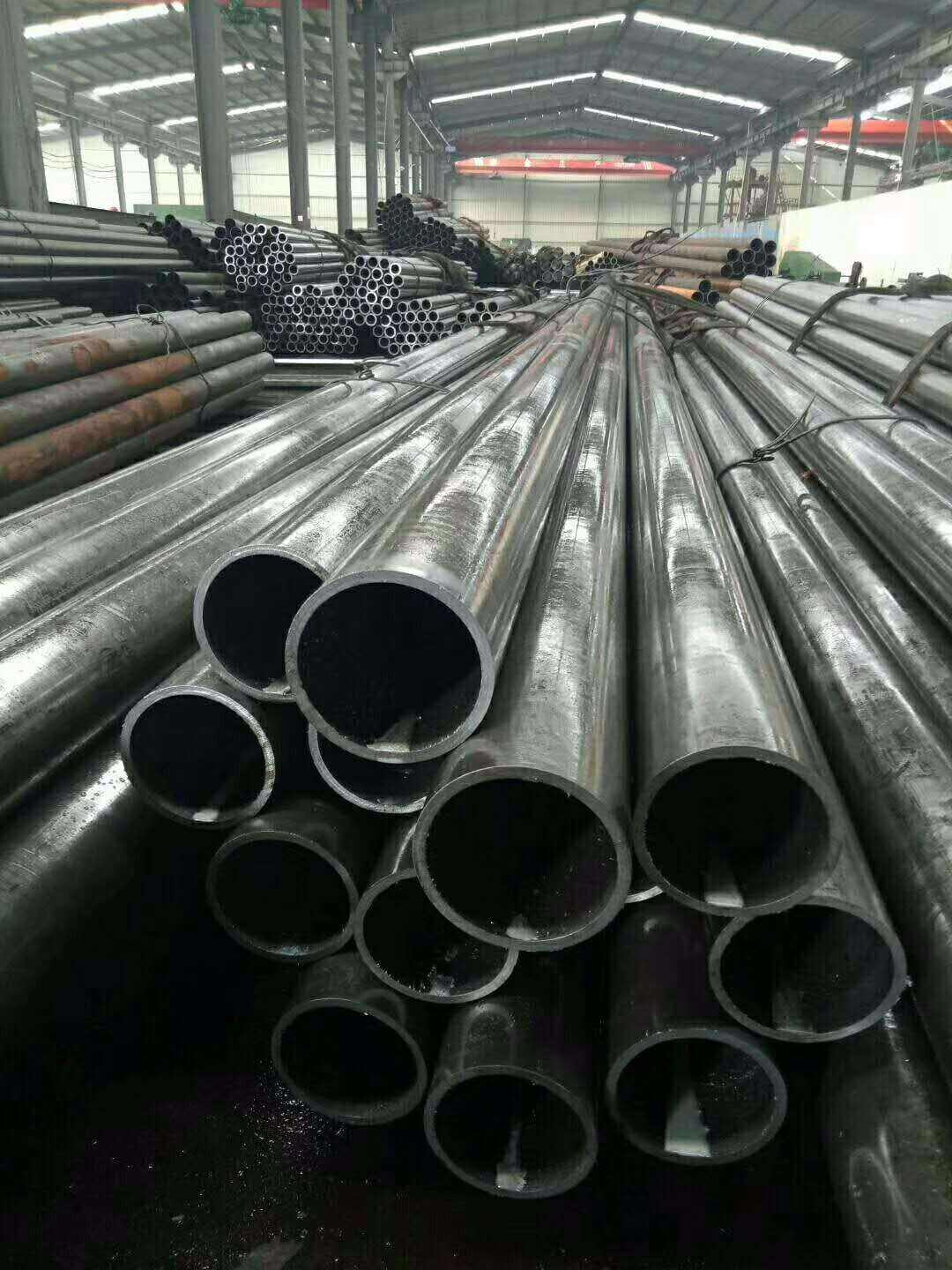
Premium Alloy Steel Tube Solutions: Superior Performance for Industrial Applications

All Categories

alloy steel tube

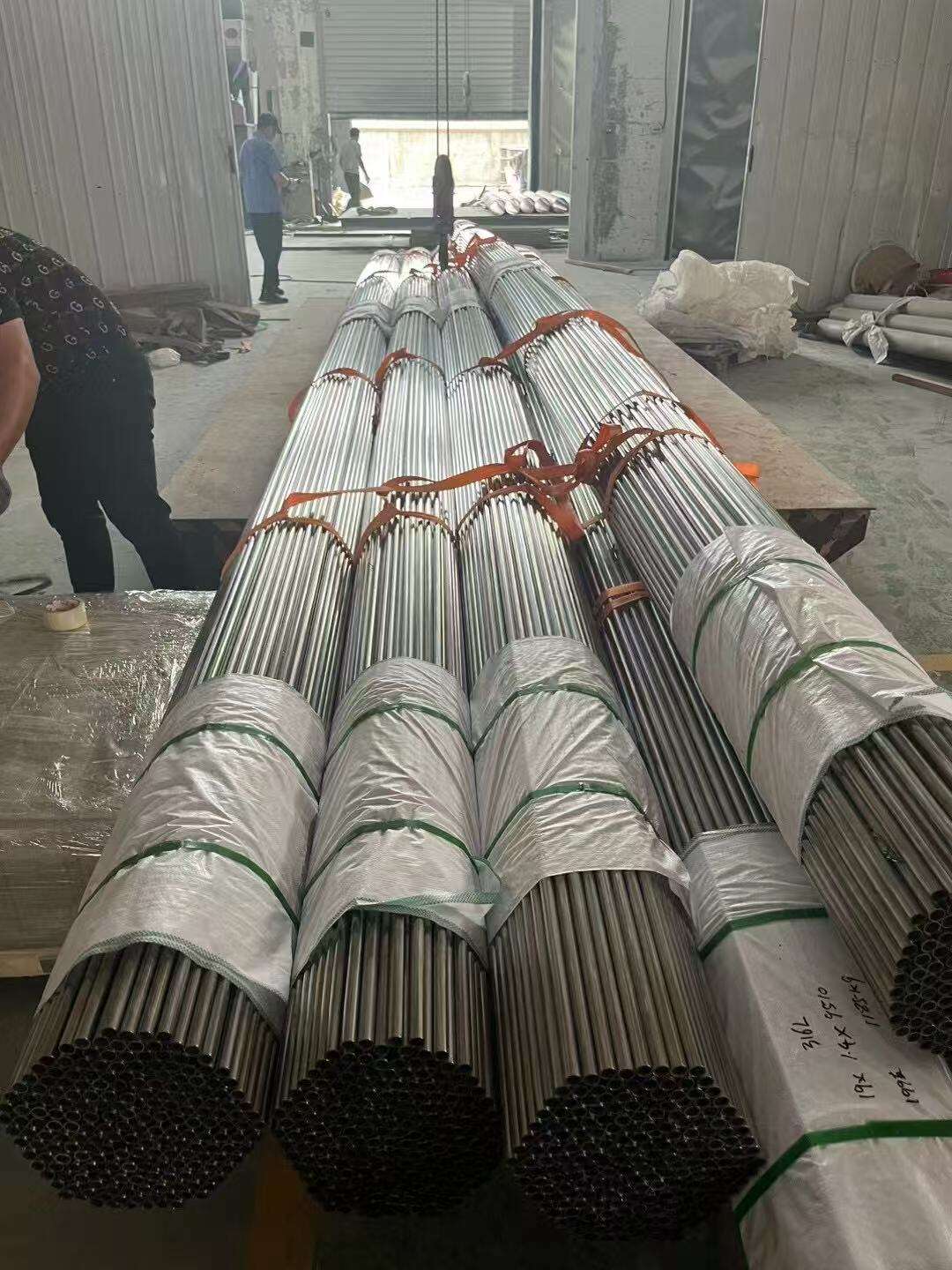
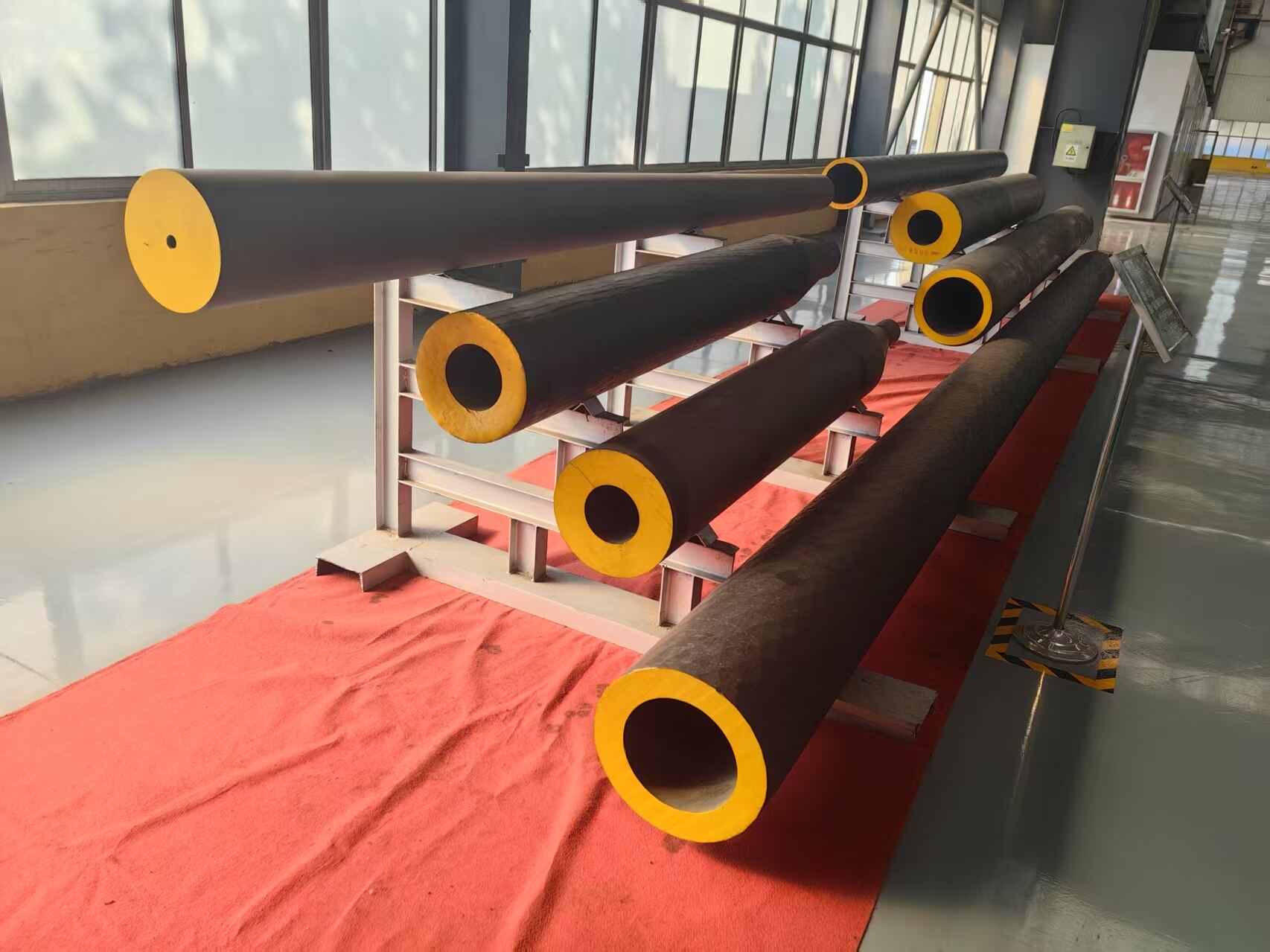
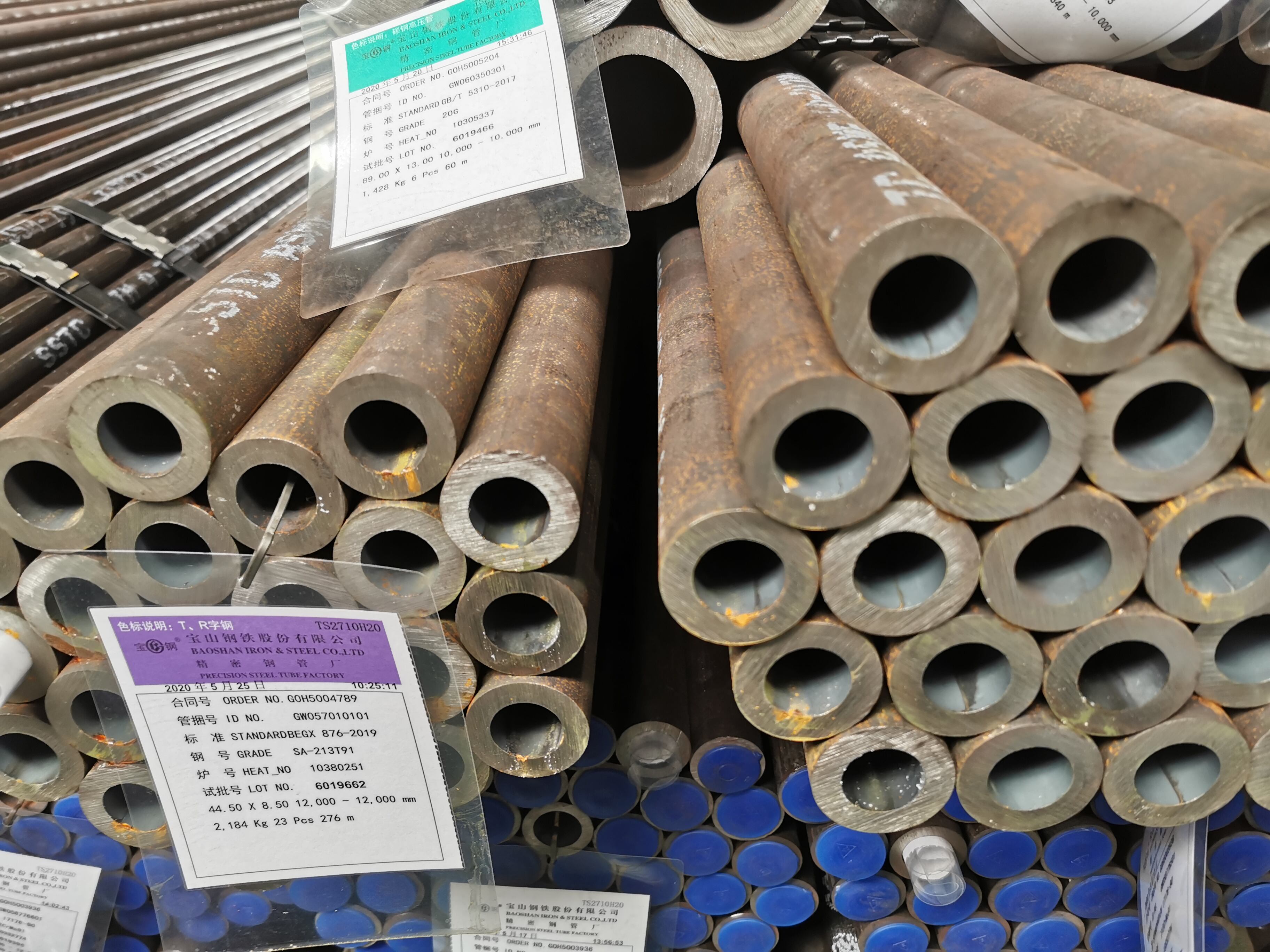
Alloy steel tube represents a sophisticated engineering solution that combines multiple metallic elements to create pipes with enhanced mechanical properties and performance characteristics. Unlike conventional carbon steel tubes, alloy steel tube incorporates precise quantities of chromium, molybdenum, nickel, vanadium, and other alloying elements that significantly improve strength, durability, and resistance to extreme operating conditions. The manufacturing process involves careful metallurgical control to ensure uniform distribution of these elements throughout the tube structure. The primary functions of alloy steel tube include fluid transportation in high-pressure systems, structural support in demanding environments, and heat transfer applications where standard materials would fail. These tubes excel in petroleum refining, chemical processing, power generation, and aerospace industries where reliability cannot be compromised. The technological features of alloy steel tube encompass superior tensile strength, enhanced corrosion resistance, improved high-temperature stability, and excellent fatigue resistance. Advanced manufacturing techniques such as seamless rolling, precision cold drawing, and specialized heat treatment processes ensure dimensional accuracy and consistent wall thickness. The microstructural refinement achieved through controlled cooling and tempering results in optimal grain structure that maximizes mechanical properties. Applications span across critical infrastructure including boiler systems, heat exchangers, hydraulic cylinders, automotive components, and offshore drilling equipment. The versatility of alloy steel tube makes it indispensable for transporting corrosive chemicals, high-pressure steam, and extreme temperature fluids. Quality control measures throughout production guarantee compliance with international standards such as ASTM, API, and DIN specifications. The precise chemical composition and mechanical testing ensure each alloy steel tube meets stringent performance requirements for specific industrial applications.


New Product Releases

Alloy steel tube delivers exceptional value through its remarkable strength-to-weight ratio, enabling engineers to design lighter structures without compromising safety margins. This advantage translates into reduced material costs and easier installation procedures for construction projects. The superior corrosion resistance of alloy steel tube eliminates the need for frequent replacements and costly maintenance schedules that plague conventional piping systems. Industries save substantial amounts on operational expenses while maintaining continuous production flow. The enhanced durability ensures reliable performance under extreme pressure differentials and temperature fluctuations that would cause standard tubes to fail prematurely. Manufacturing facilities benefit from reduced downtime and increased productivity when utilizing alloy steel tube in critical applications. The precise dimensional tolerances achieved during production guarantee perfect fit and seamless integration with existing equipment and fittings. This accuracy reduces installation time and eliminates potential leak points that could compromise system integrity. The excellent weldability of alloy steel tube allows for complex fabrication and customization to meet specific project requirements without weakening joint connections. Fabricators can create intricate piping networks with confidence knowing that welded joints will maintain structural integrity throughout the system's operational life. The thermal stability of alloy steel tube ensures consistent performance across wide temperature ranges, making it ideal for applications involving heating and cooling cycles. Process engineers appreciate the predictable behavior that allows for accurate system calculations and reliable operation planning. The fatigue resistance properties prevent crack propagation and catastrophic failures that could result in costly accidents and environmental damage. Safety managers value the peace of mind that comes from specifying materials with proven track records in demanding applications. The chemical compatibility of alloy steel tube with various process fluids eliminates concerns about contamination or material degradation that could affect product quality. Quality control managers can maintain strict purity standards while benefiting from the mechanical advantages of alloyed materials. The long service life of alloy steel tube provides excellent return on investment through reduced replacement frequency and minimal maintenance requirements compared to alternative materials.

Latest News

How to select appropriate high-temperature alloys

22

Sep

How to select appropriate high-temperature alloys

Understanding the Critical Role of Heat-Resistant Materials in Modern Industry High-temperature alloys represent a crucial category of engineering materials that enable numerous industrial processes and applications where standard metals would fail. ...
View More
Solution paths for insufficient core hardness in die steel?‌

31

Oct

Solution paths for insufficient core hardness in die steel?‌

Understanding Core Hardness Challenges in Modern Die Steel Manufacturing Core hardness represents a critical quality parameter in die steel production that directly impacts tool performance and longevity. When manufacturers encounter insufficient cor...
View More
How to balance wear resistance and toughness in die steel?‌

31

Oct

How to balance wear resistance and toughness in die steel?‌

Achieving Optimal Properties in Tool Steel Manufacturing The delicate balance between wear resistance and toughness represents one of the most critical challenges in die steel production. Engineers and metallurgists constantly strive to achieve this ...
View More
Can PM high-speed steel eliminate segregation defects?

31

Oct

Can PM high-speed steel eliminate segregation defects?

Understanding the Revolutionary Impact of Powder Metallurgy in High-Speed Steel Production The metallurgical industry has witnessed a significant transformation with the advent of powder metallurgy (PM) technology in high-speed steel manufacturing. P...
View More

Get a Free Quote

Our representative will contact you soon.
Email
Name
Company Name
Message
0/1000

alloy steel tube

Superior High-Temperature Performance and Thermal Stability

Superior High-Temperature Performance and Thermal Stability

The exceptional high-temperature performance of alloy steel tube sets it apart from conventional piping materials, making it the preferred choice for applications involving extreme thermal conditions. The carefully engineered alloy composition creates a metallurgical structure that maintains mechanical integrity at temperatures exceeding 600 degrees Celsius, where standard carbon steel would experience significant strength degradation. The chromium content in alloy steel tube forms a protective oxide layer that prevents oxidation and scaling at elevated temperatures, ensuring long-term reliability in high-heat environments. This thermal stability proves invaluable in power generation facilities where steam pressures and temperatures push materials to their operational limits. The molybdenum additions enhance creep resistance, preventing gradual deformation under sustained high-temperature stress that could lead to system failures. Process industries benefit enormously from this thermal reliability, as alloy steel tube maintains dimensional stability during thermal cycling operations that cause expansion and contraction stresses. The superior heat transfer characteristics of alloy steel tube improve system efficiency while maintaining structural integrity under thermal shock conditions. Refineries and petrochemical plants rely on this temperature resistance for handling superheated process streams without concern for material failure. The low thermal expansion coefficient minimizes stress concentrations at pipe joints and connections, reducing maintenance requirements and extending service intervals. Engineers specify alloy steel tube for critical applications knowing that thermal performance will remain consistent throughout the operational temperature range. The resistance to thermal fatigue prevents crack initiation and propagation that commonly occur in standard materials subjected to temperature variations. This thermal durability translates into reduced replacement costs and improved plant availability for continuous process operations. The ability to maintain yield strength at elevated temperatures ensures safe operation under emergency conditions when temperatures may exceed design parameters.
Exceptional Corrosion Resistance and Chemical Compatibility

Exceptional Corrosion Resistance and Chemical Compatibility

The outstanding corrosion resistance of alloy steel tube provides unmatched protection against chemical attack and environmental degradation, significantly extending service life in aggressive operating environments. The strategic addition of chromium creates a passive oxide film on the surface that self-heals when damaged, providing continuous protection against corrosive media. This protective mechanism ensures that alloy steel tube maintains structural integrity when exposed to acidic solutions, alkaline compounds, and oxidizing chemicals that would rapidly degrade conventional materials. The nickel content enhances resistance to chloride stress corrosion cracking, making alloy steel tube ideal for marine applications and coastal installations where salt exposure is constant. Chemical processing facilities benefit from the broad chemical compatibility that allows a single piping material to handle multiple process streams without concern for material selection conflicts. The resistance to hydrogen embrittlement ensures safe operation in hydrogen-rich environments where standard steels would become brittle and prone to catastrophic failure. The low carbon content in many alloy steel tube grades prevents carbide precipitation that could create localized corrosion sites and compromise long-term reliability. Industrial water treatment systems utilize alloy steel tube for its resistance to chlorine and other treatment chemicals while maintaining potable water quality standards. The immunity to microbiologically influenced corrosion makes alloy steel tube suitable for buried applications and water distribution systems where bacterial activity could accelerate material degradation. The excellent resistance to erosion-corrosion protects against material loss in high-velocity fluid systems carrying abrasive particles or entrained solids. Oil and gas production operations rely on alloy steel tube for its resistance to hydrogen sulfide and carbon dioxide corrosion that commonly occurs in sour service applications. The ability to withstand cyclic wet-dry conditions without pitting or crevice corrosion makes alloy steel tube ideal for outdoor installations and weather-exposed piping systems. The superior performance in high-chloride environments ensures reliable operation in cooling water systems and desalination plants where conventional materials would require frequent replacement.
Outstanding Mechanical Strength and Structural Integrity

Outstanding Mechanical Strength and Structural Integrity

The remarkable mechanical strength of alloy steel tube delivers superior structural performance that enables engineers to design more efficient and reliable piping systems with reduced wall thickness and lower overall weight. The enhanced yield strength and tensile properties result from precise control of the microstructure through alloying element additions and specialized heat treatment processes that optimize grain refinement and precipitation hardening mechanisms. This exceptional strength-to-weight ratio allows for more economical designs that require less material while maintaining safety factors required by engineering codes and standards. The superior toughness of alloy steel tube provides excellent resistance to impact loading and dynamic stresses that occur during startup, shutdown, and emergency operating conditions. Construction projects benefit from the high strength that permits longer spans between supports, reducing foundation requirements and simplifying structural designs. The excellent fatigue resistance prevents crack initiation under cyclic loading conditions that commonly occur in vibrating equipment connections and pressure vessel nozzles. Process piping systems utilizing alloy steel tube can operate at higher design pressures while maintaining thinner wall sections that improve heat transfer efficiency and reduce thermal stresses. The outstanding fracture toughness ensures that any defects remain stable and do not propagate to cause sudden failures that could result in catastrophic consequences. The superior ductility allows for cold forming and bending operations without cracking or work hardening that would compromise mechanical properties. Structural applications benefit from the excellent compression and tension characteristics that provide reliable load-bearing capacity under complex stress states. The resistance to stress relaxation maintains joint integrity in bolted connections and ensures consistent preload throughout the service life. High-pressure applications rely on the exceptional hoop strength that resists internal pressure while maintaining dimensional stability under operating conditions. The superior shear strength provides excellent resistance to torsional loading that occurs in rotating equipment connections and multi-directional piping systems. The consistent mechanical properties throughout the wall thickness ensure uniform stress distribution and prevent localized failure modes that could compromise system integrity.
Premium Alloy Steel Tube Solutions: Superior Performance for Industrial Applications

Get a Free Quote

Our representative will contact you soon.
Email
Name
Company Name
Message
0/1000