asme sa210
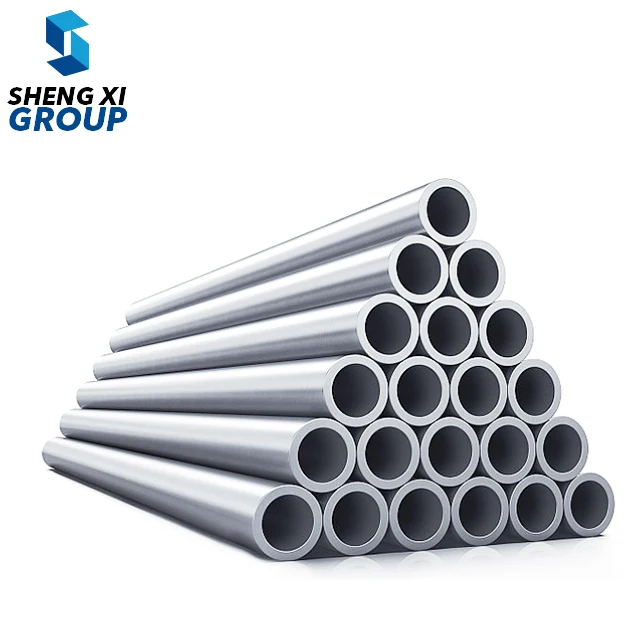
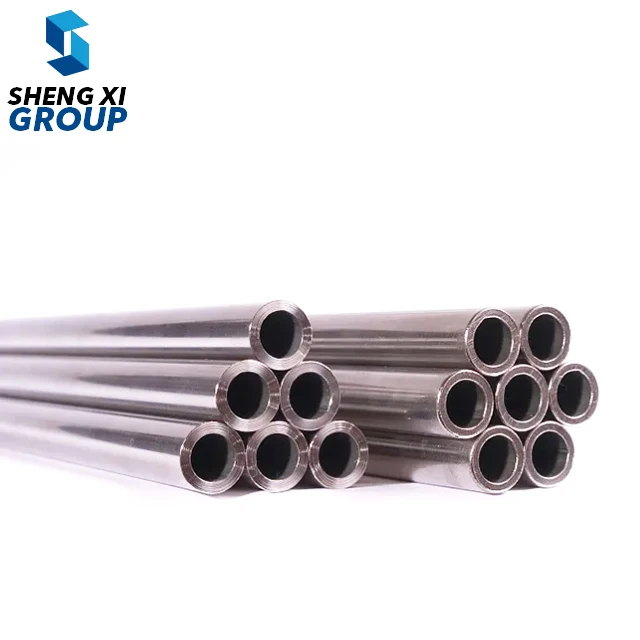
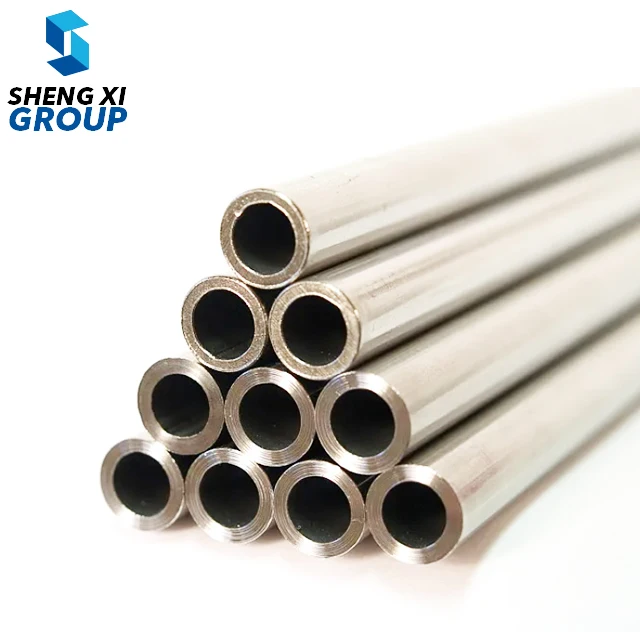
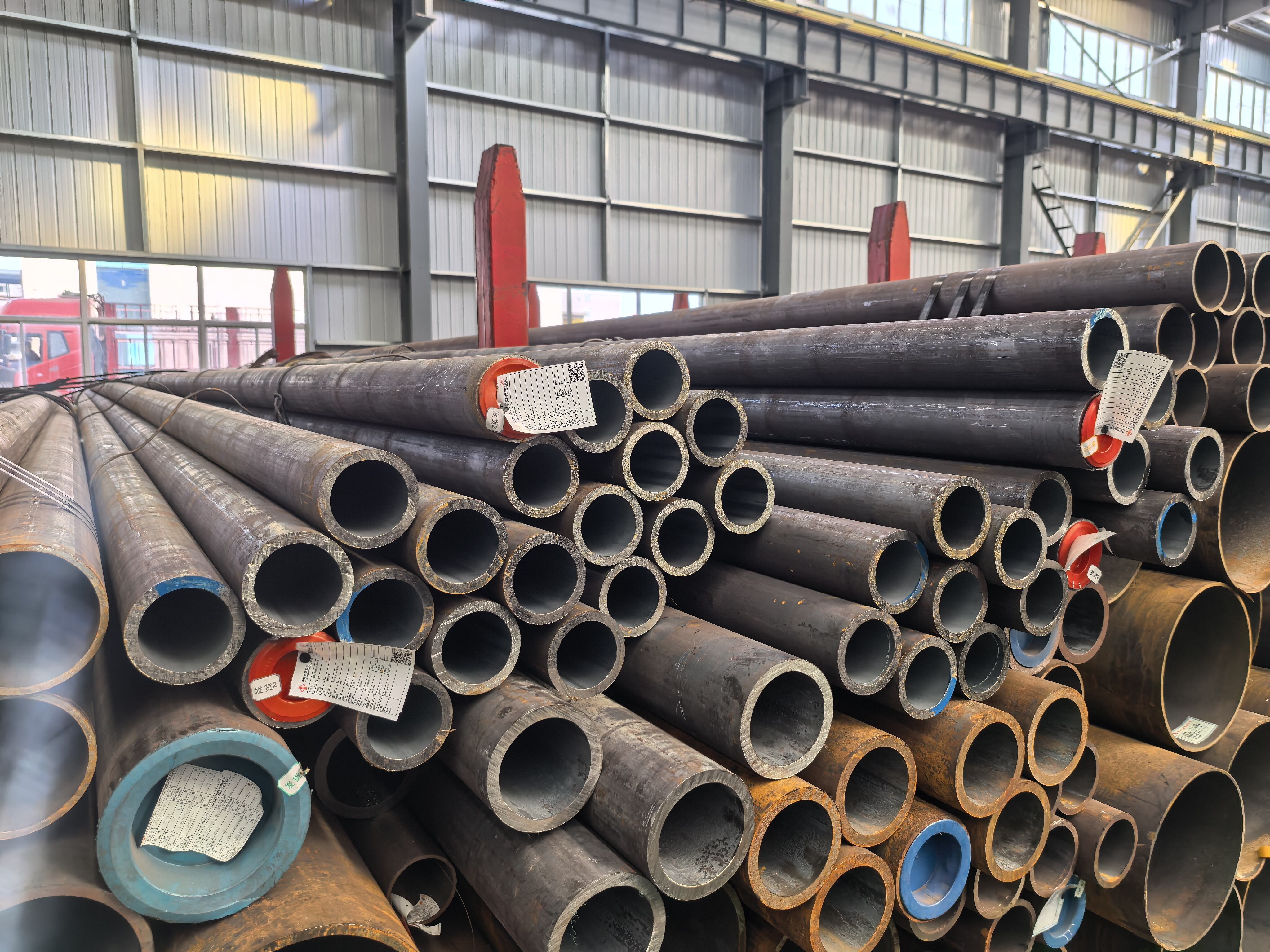
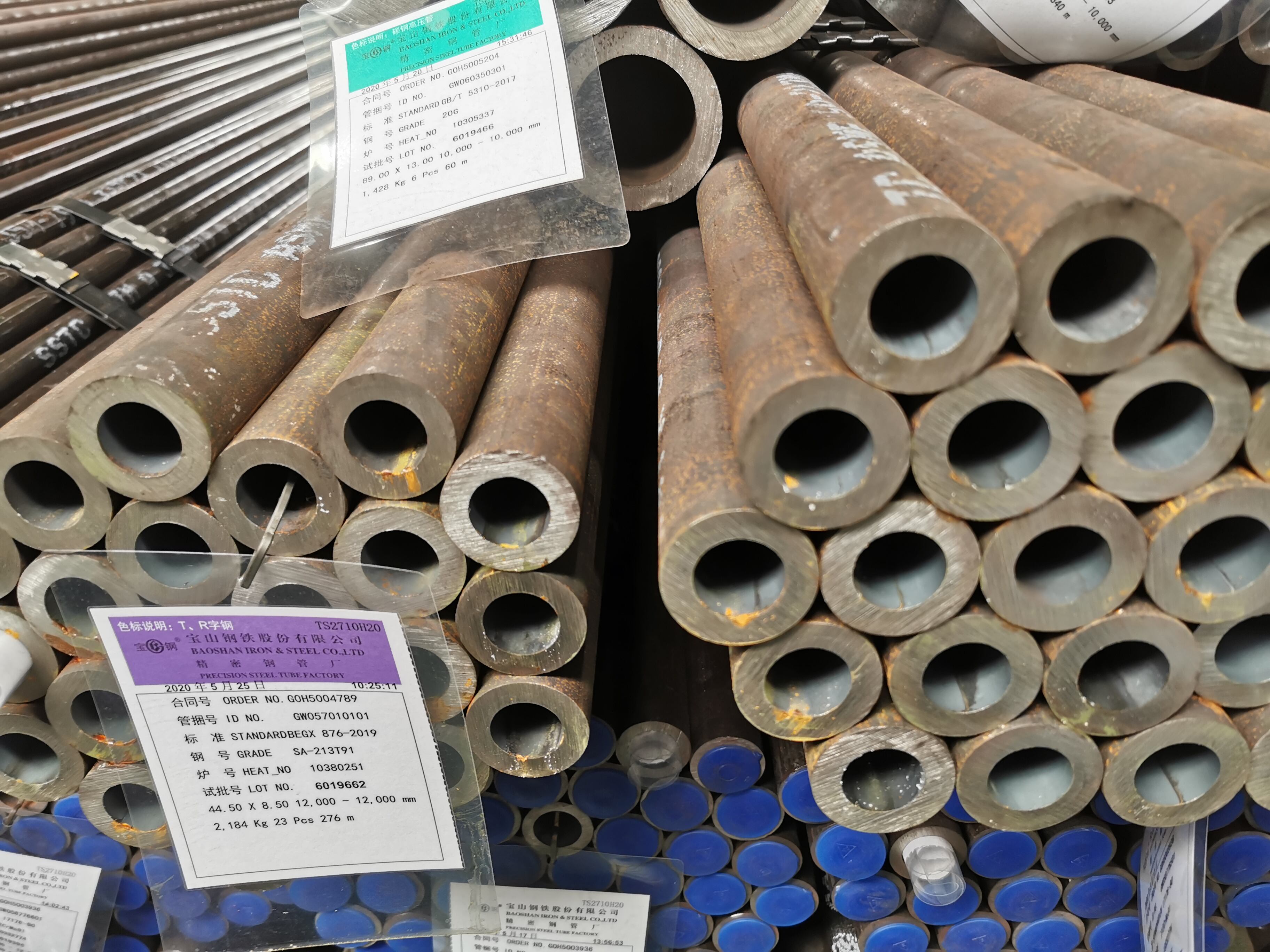
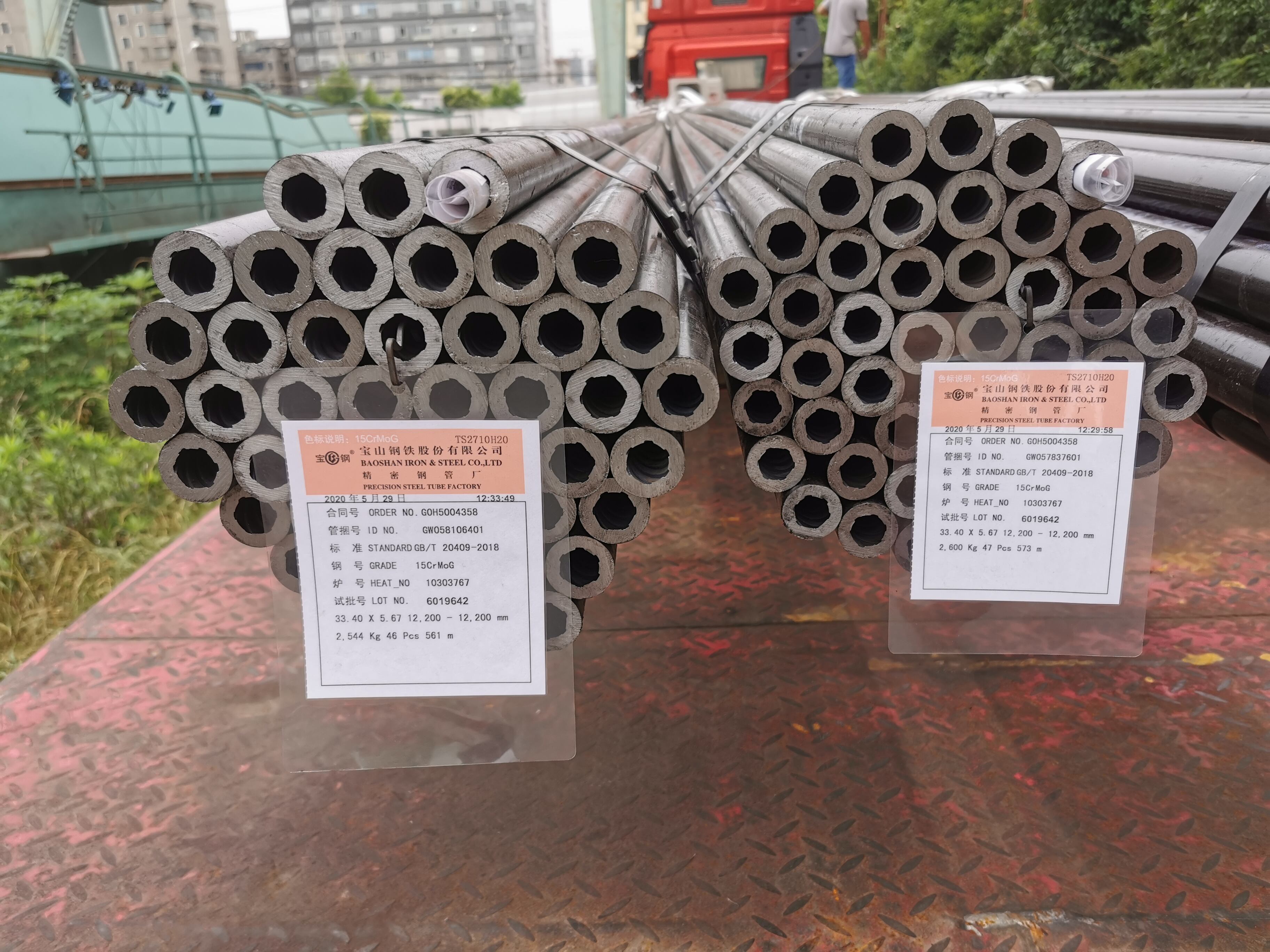
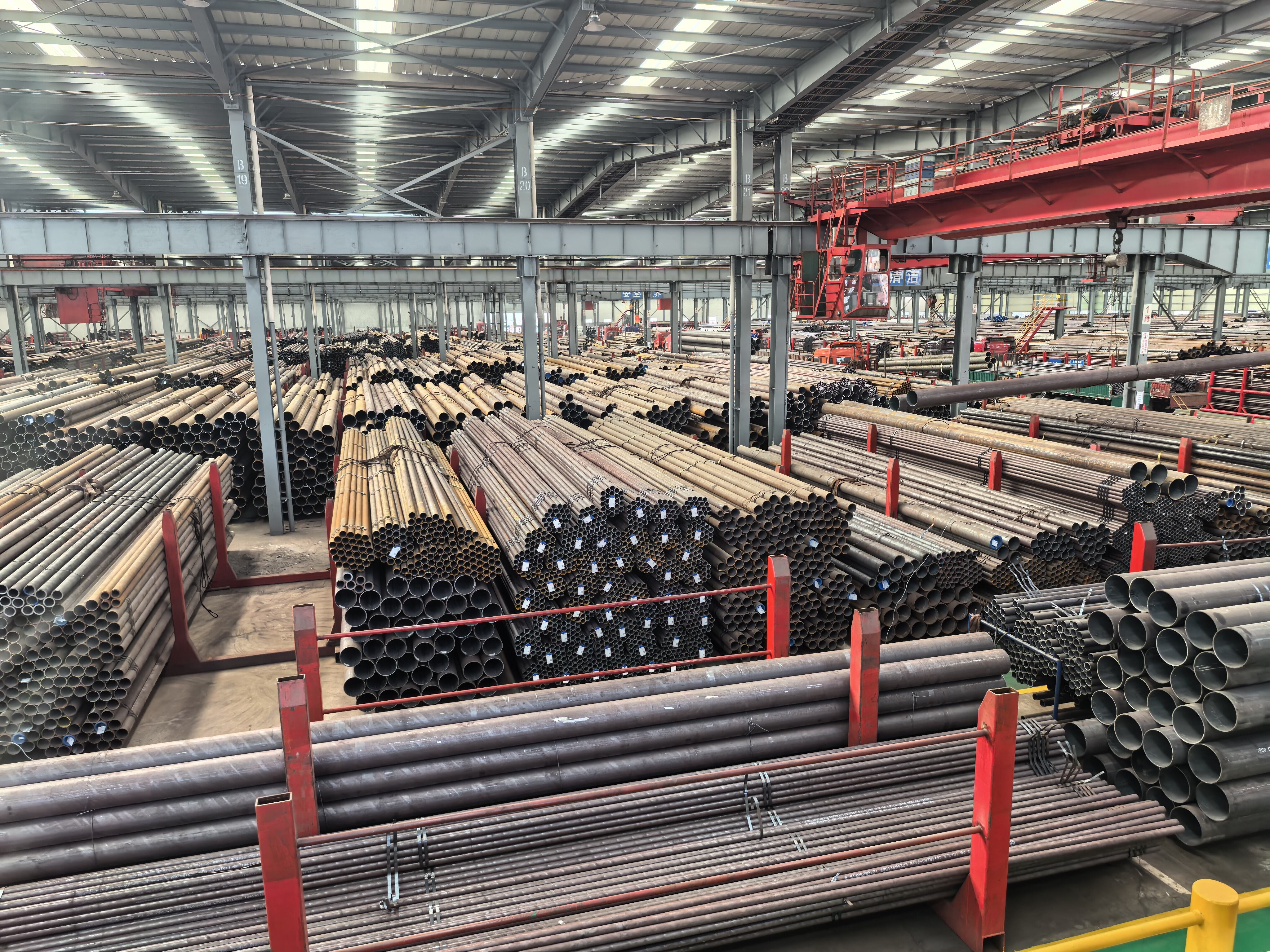
The ASME SA210 specification represents a critical standard in the power generation and industrial boiler industry, defining the requirements for seamless medium-carbon steel boiler and superheater tubes. This specification establishes comprehensive guidelines for manufacturing, testing, and quality assurance of tubes used in high-temperature and high-pressure applications. The ASME SA210 covers various grades of carbon steel tubes, with Grade A1 being the most commonly utilized version due to its excellent balance of mechanical properties and cost-effectiveness. These tubes serve as fundamental components in steam generation systems, where they must withstand extreme operating conditions while maintaining structural integrity and performance reliability. The specification outlines detailed chemical composition requirements, mechanical property standards, and manufacturing processes that ensure consistent quality across all production batches. ASME SA210 tubes are engineered to handle steam temperatures up to 400°C and pressures exceeding 1000 PSI, making them suitable for demanding industrial environments. The seamless construction eliminates potential weak points that could occur in welded alternatives, providing superior resistance to thermal cycling and mechanical stress. These tubes undergo rigorous testing procedures including hydrostatic pressure tests, non-destructive examination, and dimensional verification to guarantee compliance with safety standards. The specification also addresses surface finish requirements, ensuring optimal heat transfer efficiency and corrosion resistance. Manufacturing facilities must adhere to strict quality control protocols, including material traceability, process documentation, and certification procedures. The ASME SA210 standard facilitates international trade and ensures compatibility across different manufacturers and suppliers worldwide. This standardization reduces procurement complexities and enables engineers to specify materials with confidence, knowing that all compliant products will meet identical performance criteria regardless of their source or manufacturer.

 EN
EN