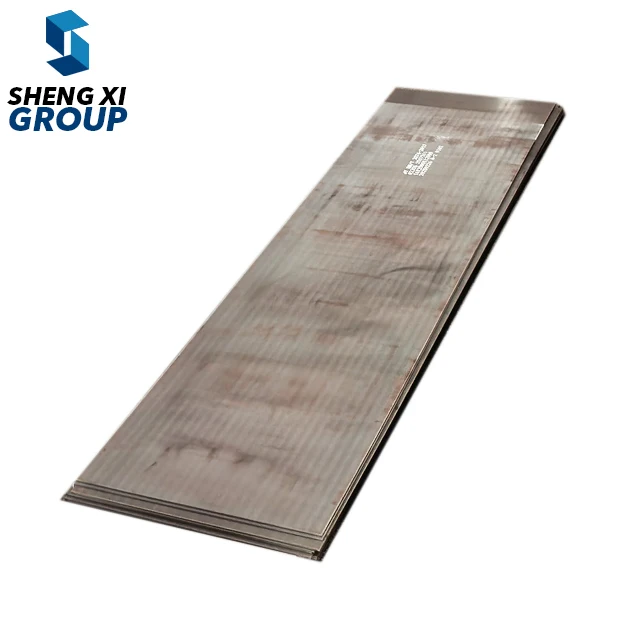
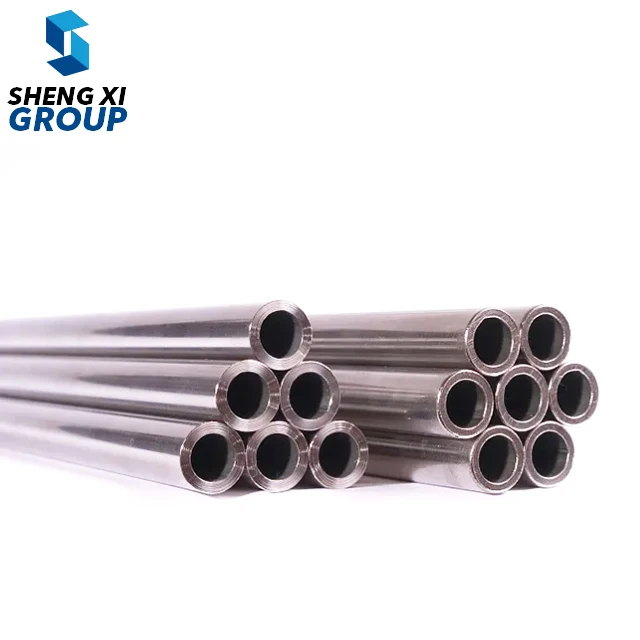
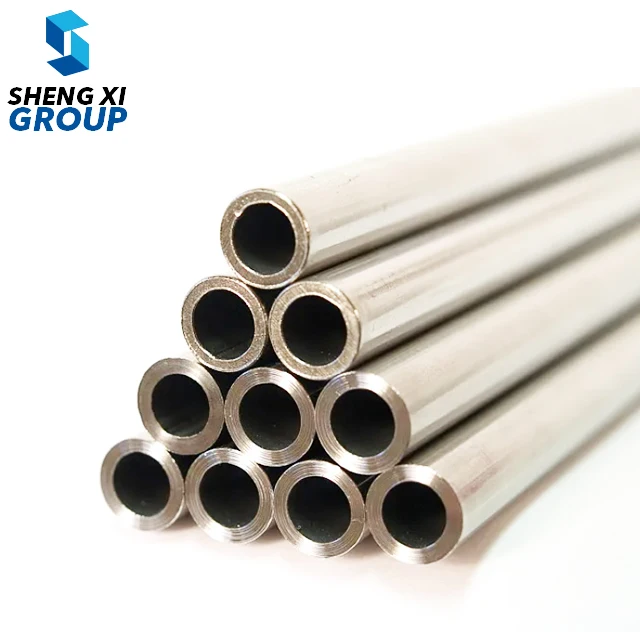
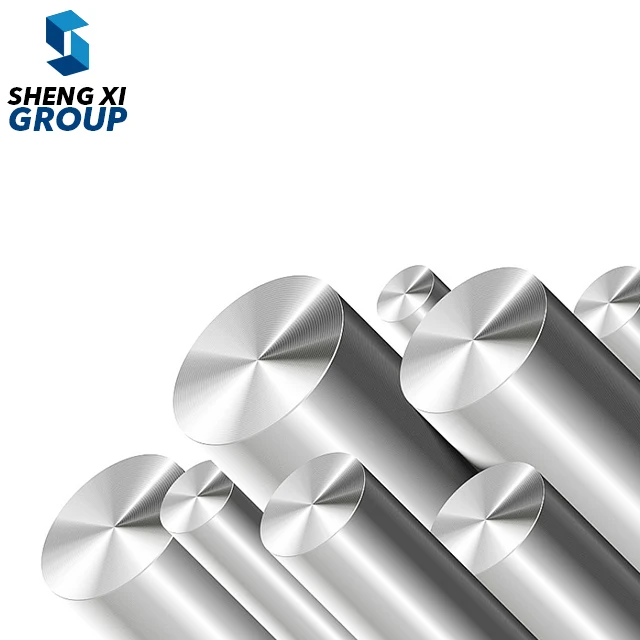
ASTM 4340 Alloy Steel: Superior Strength, Exceptional Durability & Versatile Applications

All Categories

astm 4340

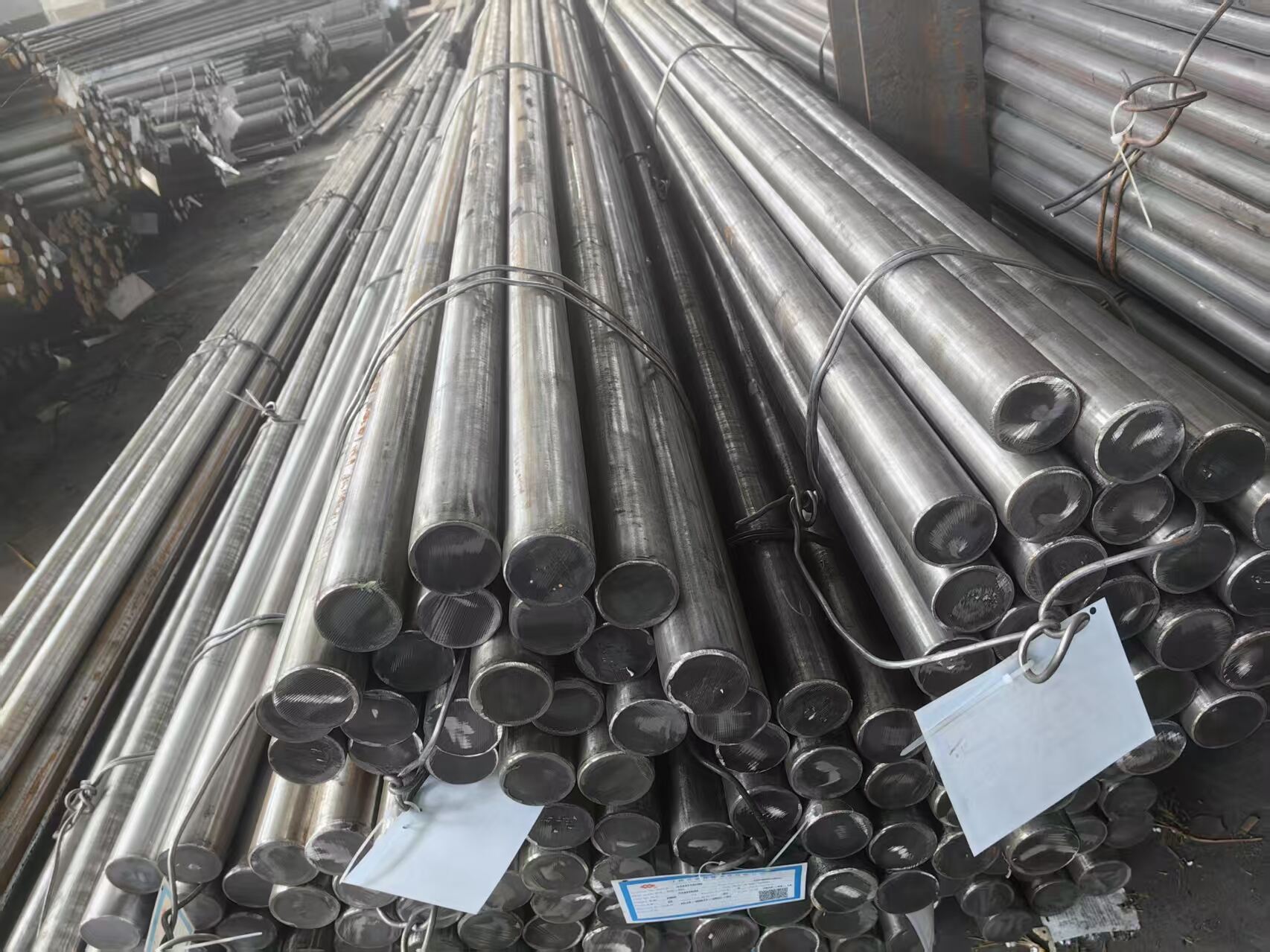
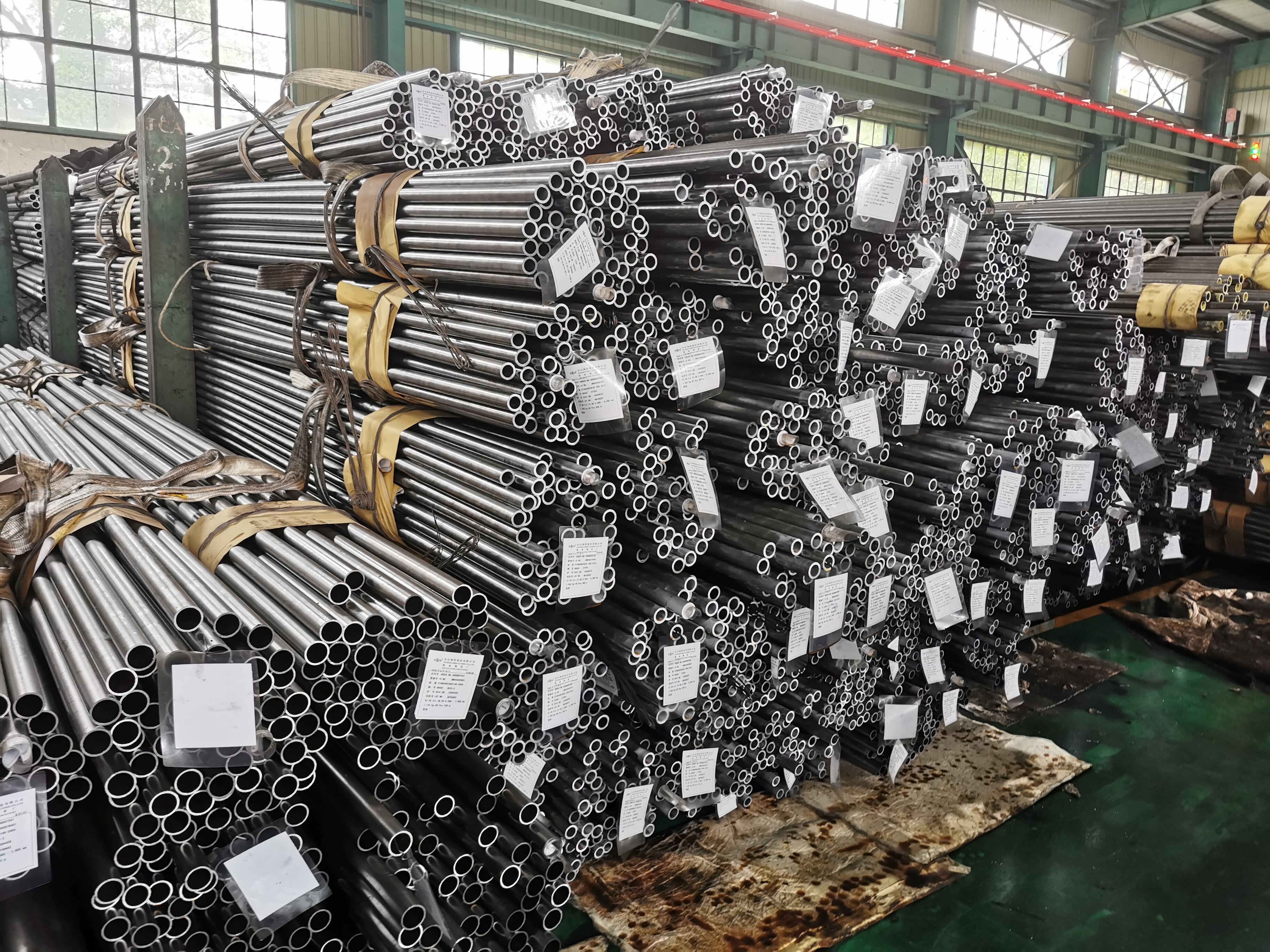
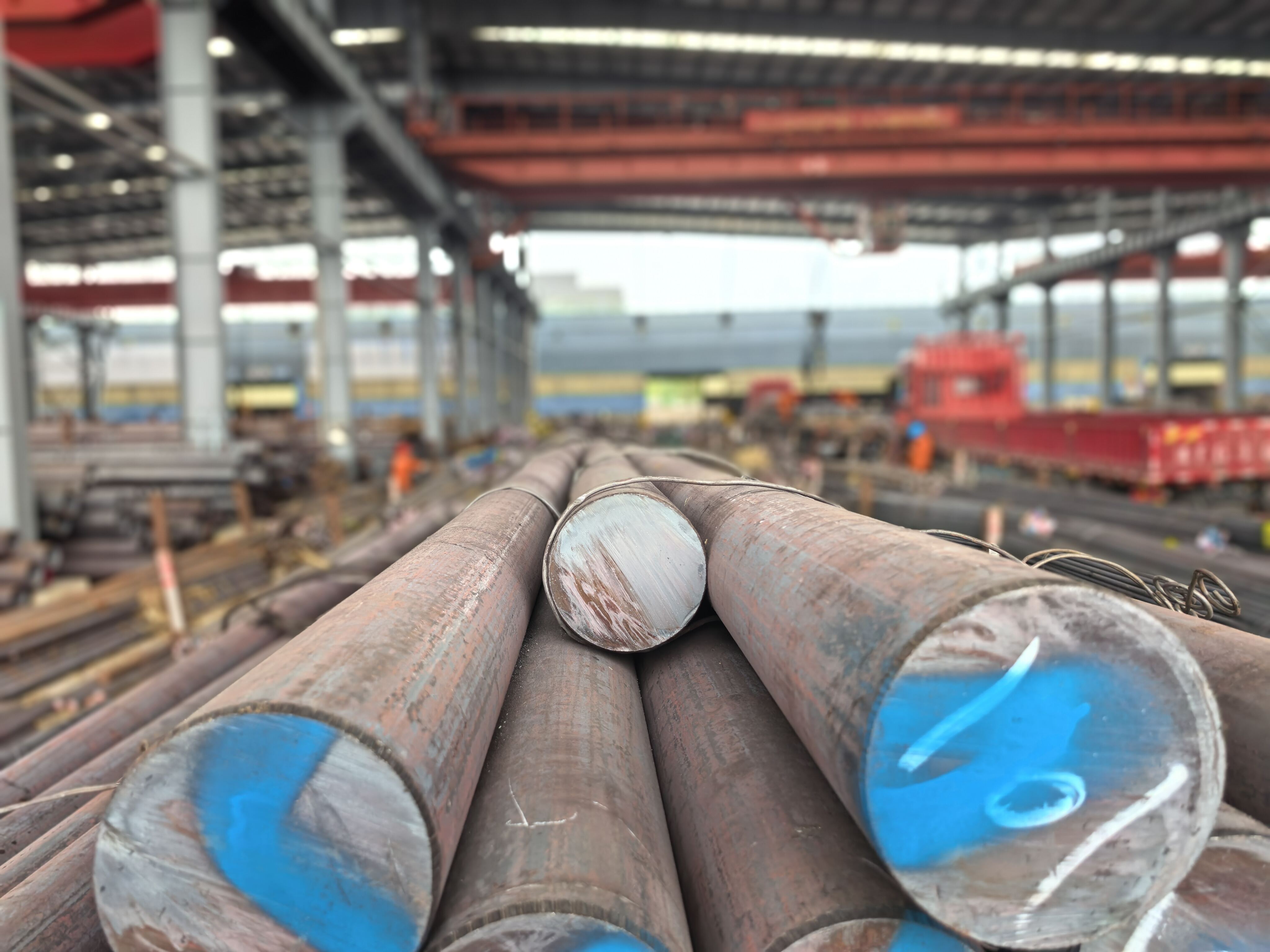
ASTM 4340 represents a premium alloy steel specification that has established itself as a cornerstone material in heavy-duty industrial applications. This nickel-chromium-molybdenum alloy steel combines exceptional strength characteristics with remarkable versatility, making it indispensable across multiple engineering sectors. The ASTM 4340 specification defines precise chemical composition requirements that ensure consistent performance standards across different manufacturers and applications. This steel grade contains carefully balanced percentages of nickel, chromium, and molybdenum, which work synergistically to deliver superior mechanical properties. The nickel content enhances toughness and impact resistance, while chromium contributes to hardenability and corrosion resistance. Molybdenum strengthens the steel matrix and improves high-temperature performance characteristics. ASTM 4340 exhibits excellent response to heat treatment processes, allowing manufacturers to achieve specific hardness levels ranging from 28 to 58 HRC depending on application requirements. The material demonstrates outstanding fatigue resistance, making it ideal for components subjected to cyclic loading conditions. Its deep hardenability ensures uniform strength distribution throughout thick sections, eliminating concerns about soft cores in large components. The steel maintains dimensional stability during heat treatment processes, reducing machining requirements and production costs. ASTM 4340 offers exceptional weldability when proper procedures are followed, enabling complex fabrication processes. The material exhibits superior machinability in the annealed condition, facilitating efficient manufacturing operations. Its uniform grain structure contributes to predictable mechanical properties and reliable performance in critical applications. Primary applications include aircraft landing gear components, automotive transmission parts, heavy machinery shafts, oil drilling equipment, and high-stress structural components. The aerospace industry relies heavily on ASTM 4340 for landing gear struts, wing attachments, and engine mounting brackets where safety and reliability are paramount. Manufacturing industries utilize this steel for large gear systems, crankshafts, and heavy-duty bearings that must withstand extreme operational stresses.


Popular Products

ASTM 4340 delivers exceptional strength-to-weight ratios that significantly outperform standard carbon steels, providing engineers with opportunities to reduce component weight while maintaining structural integrity. This weight reduction translates directly into improved fuel efficiency in automotive and aerospace applications, generating substantial cost savings over operational lifespans. The material's superior hardenability allows manufacturers to achieve consistent hardness levels throughout thick cross-sections, eliminating the variability issues commonly encountered with lower-grade steels. This uniformity ensures reliable performance predictions and reduces the risk of premature component failure in critical applications. The outstanding fatigue resistance of ASTM 4340 extends component service life significantly, reducing maintenance frequency and associated downtime costs. Components manufactured from this steel specification demonstrate remarkable durability under cyclic loading conditions, making them ideal for rotating machinery and reciprocating equipment. The material's excellent impact toughness provides superior resistance to sudden shock loads, protecting expensive equipment from unexpected operational stresses. This characteristic proves particularly valuable in mining equipment, construction machinery, and military applications where equipment reliability directly impacts operational success. ASTM 4340 exhibits exceptional temperature stability, maintaining strength characteristics across wide temperature ranges encountered in industrial operations. This thermal stability ensures consistent performance in applications ranging from arctic drilling operations to high-temperature industrial processes. The material's superior machinability in the annealed condition reduces manufacturing costs by minimizing tool wear and enabling faster cutting speeds. Manufacturers can achieve tighter tolerances with reduced machining time, improving production efficiency and reducing per-unit manufacturing costs. The steel's excellent weldability allows for complex fabrication processes without compromising joint integrity, enabling innovative design solutions that would be impossible with less compatible materials. ASTM 4340 demonstrates superior corrosion resistance compared to standard carbon steels, reducing maintenance requirements and extending service intervals in harsh environmental conditions. The material's proven track record in critical applications provides engineers with confidence in design calculations and safety factors, reducing over-engineering requirements and associated material costs. Its standardized specification ensures consistent quality across different suppliers, simplifying procurement processes and reducing quality control requirements.

Practical Tips

What Is Cr-Mo Steel and Why It Matters

27

Aug

What Is Cr-Mo Steel and Why It Matters

Understanding the Revolutionary Alloy That Powers Modern Industry In the evolving landscape of metallurgy, Cr-Mo steel stands as a testament to human innovation in material science. This remarkable alloy, combining chromium and molybdenum with steel,...
View More
How to select appropriate high-temperature alloys

22

Sep

How to select appropriate high-temperature alloys

Understanding the Critical Role of Heat-Resistant Materials in Modern Industry High-temperature alloys represent a crucial category of engineering materials that enable numerous industrial processes and applications where standard metals would fail. ...
View More
How to regulate the ductile-brittle transition temperature of alloy steel?‌

31

Oct

How to regulate the ductile-brittle transition temperature of alloy steel?‌

Understanding the Critical Role of Temperature Transitions in Alloy Steel Performance The ductile-brittle transition temperature represents a crucial parameter in alloy steel manufacturing and application. This fundamental property determines the tem...
View More
Can PM high-speed steel eliminate segregation defects?

31

Oct

Can PM high-speed steel eliminate segregation defects?

Understanding the Revolutionary Impact of Powder Metallurgy in High-Speed Steel Production The metallurgical industry has witnessed a significant transformation with the advent of powder metallurgy (PM) technology in high-speed steel manufacturing. P...
View More

Get a Free Quote

Our representative will contact you soon.
Email
Name
Company Name
Message
0/1000

astm 4340

Exceptional Hardenability and Heat Treatment Response

Exceptional Hardenability and Heat Treatment Response

The remarkable hardenability characteristics of ASTM 4340 represent one of its most significant technical advantages, setting it apart from conventional steel grades in demanding applications. This superior hardenability stems from the carefully engineered alloy composition, where nickel, chromium, and molybdenum work together to enhance the steel's response to heat treatment processes. Unlike standard carbon steels that exhibit limited depth of hardening, ASTM 4340 achieves uniform hardness distribution throughout sections up to several inches thick, eliminating the common problem of soft cores that compromise component integrity. This deep hardenability ensures that critical components maintain consistent mechanical properties from surface to center, providing engineers with reliable design parameters for stress calculations. The material responds exceptionally well to various heat treatment processes including quenching, tempering, and normalizing, allowing manufacturers to tailor mechanical properties to specific application requirements. Through controlled heat treatment cycles, ASTM 4340 can achieve hardness levels ranging from 28 HRC for maximum toughness to 58 HRC for maximum wear resistance, providing unprecedented flexibility in component design. The steel's excellent temperature control during heat treatment minimizes distortion and dimensional changes, reducing secondary machining operations and associated costs. This dimensional stability proves particularly valuable in precision applications where tight tolerances must be maintained throughout the manufacturing process. The uniform grain structure achieved through proper heat treatment contributes to predictable mechanical properties and eliminates the property variations that can compromise component reliability. Manufacturers benefit from reduced heat treatment cycle times compared to other alloy steels, improving production efficiency and reducing energy consumption. The material's ability to achieve target properties with standard industrial heat treatment equipment eliminates the need for specialized processing facilities, making it accessible to a wide range of manufacturers. Quality control becomes more straightforward with ASTM 4340 due to its consistent response to heat treatment, reducing testing requirements and improving production scheduling reliability.
Outstanding Fatigue Resistance and Durability

Outstanding Fatigue Resistance and Durability

ASTM 4340 demonstrates exceptional fatigue resistance that substantially exceeds the performance capabilities of standard structural steels, making it the preferred choice for components subjected to repetitive stress cycles. This superior fatigue performance results from the steel's refined microstructure and optimized alloy composition, which effectively resist crack initiation and propagation under cyclic loading conditions. The material's fatigue strength typically ranges from 80,000 to 120,000 PSI depending on heat treatment and surface finish, representing a significant improvement over conventional steels that typically achieve 40,000 to 60,000 PSI fatigue strength. This enhanced fatigue resistance translates directly into extended component service life, often doubling or tripling the operational lifespan compared to alternative materials. In rotating machinery applications such as crankshafts, drive shafts, and gear systems, ASTM 4340 components routinely achieve millions of stress cycles without developing fatigue cracks, ensuring reliable operation in critical applications. The material's resistance to stress concentration effects makes it particularly valuable in components with geometric discontinuities such as keyways, shoulders, and threaded sections where stress risers typically initiate fatigue failures. Surface treatments such as shot peening and case hardening further enhance the fatigue performance of ASTM 4340, creating compressive residual stresses that effectively close surface cracks and prevent crack propagation. The steel's fine grain structure contributes to superior crack arrest characteristics, preventing small defects from growing into catastrophic failures during service. Manufacturing processes such as forging and controlled cooling can be optimized to maximize fatigue resistance, providing additional performance benefits for critical applications. The predictable fatigue behavior of ASTM 4340 enables accurate life prediction calculations, allowing engineers to establish maintenance schedules based on actual component performance rather than conservative estimates. This predictability reduces unexpected downtime and enables condition-based maintenance strategies that optimize operational efficiency. Quality control testing can accurately assess fatigue properties using standardized test methods, ensuring consistent performance across production lots and different suppliers.
Versatile Application Range and Manufacturing Flexibility

Versatile Application Range and Manufacturing Flexibility

The exceptional versatility of ASTM 4340 enables its successful application across diverse industries and operating conditions, from aerospace components operating at 40,000 feet to deep-sea drilling equipment functioning miles below the ocean surface. This broad applicability stems from the material's balanced combination of strength, toughness, and workability characteristics that can be tailored through heat treatment and manufacturing processes to meet specific performance requirements. In the aerospace industry, ASTM 4340 serves critical functions in landing gear assemblies, wing attachment fittings, and engine mounting structures where component failure could have catastrophic consequences. The material's proven track record in these demanding applications provides engineers with confidence in safety-critical designs and helps streamline certification processes with regulatory authorities. Automotive manufacturers rely on ASTM 4340 for high-performance transmission components, drive shafts, and suspension parts that must withstand extreme operational stresses while maintaining precise dimensional tolerances. The steel's excellent machinability in the annealed condition facilitates efficient manufacturing operations, enabling complex geometries and tight tolerances that would be difficult to achieve with less machinable materials. Manufacturing flexibility extends to welding operations where ASTM 4340 demonstrates excellent weldability using standard procedures and filler materials, enabling fabrication of large structural assemblies and complex geometries. The material's forging characteristics allow for near-net-shape manufacturing that reduces machining requirements and material waste, contributing to cost-effective production processes. Cold forming operations can be performed successfully with proper tooling and lubrication, enabling manufacturing techniques such as cold heading for fastener production and roll forming for structural shapes. The standardized specification of ASTM 4340 ensures consistent material properties across different suppliers and production lots, simplifying procurement processes and reducing quality control requirements for manufacturers. This standardization also facilitates global sourcing strategies and reduces dependency on single suppliers, improving supply chain resilience. Heat treatment flexibility allows the same base material to be processed for different applications within a single facility, reducing inventory requirements and improving production scheduling efficiency. The material's proven performance database enables accelerated product development cycles by providing reliable design data and reducing prototype testing requirements.
ASTM 4340 Alloy Steel: Superior Strength, Exceptional Durability & Versatile Applications

Get a Free Quote

Our representative will contact you soon.
Email
Name
Company Name
Message
0/1000