aisi 4340
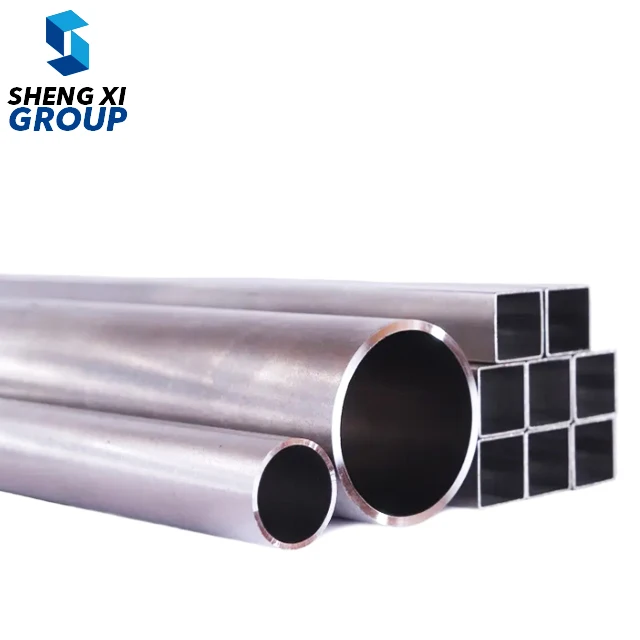
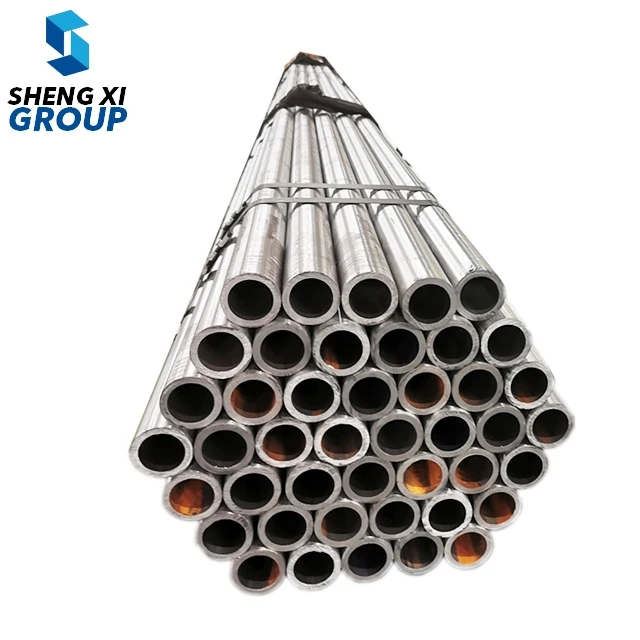
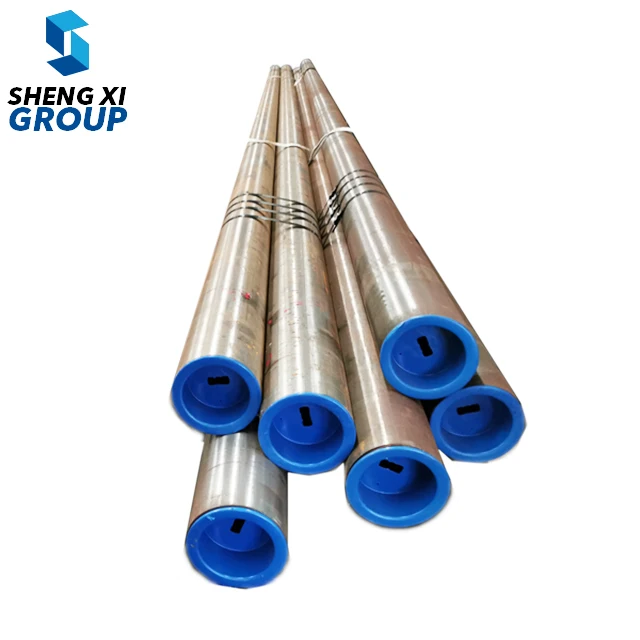
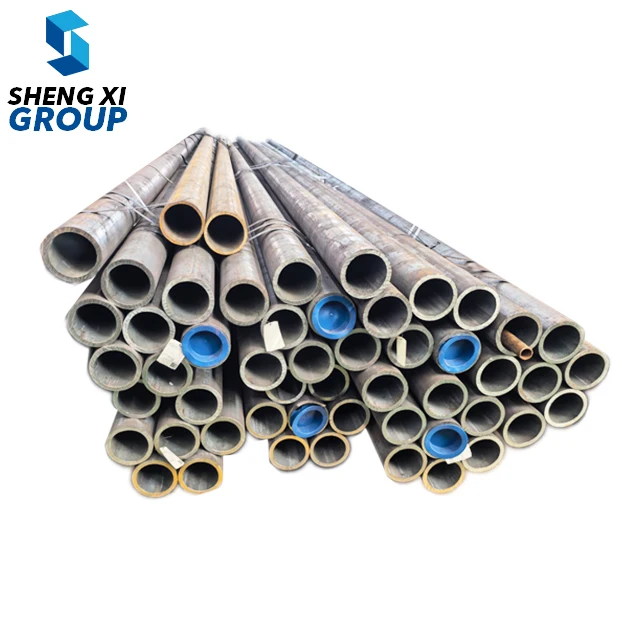
AISI 4340 represents one of the most versatile and widely utilized low-alloy steels in modern industrial applications. This chromium-nickel-molybdenum steel combines exceptional mechanical properties with outstanding hardenability, making it an indispensable material across numerous sectors. The designation AISI 4340 follows the American Iron and Steel Institute classification system, where the numbers indicate specific alloying elements and their approximate concentrations. The steel contains approximately 0.40% carbon, 1.65-2.00% nickel, 0.70-0.90% chromium, and 0.20-0.30% molybdenum, creating a composition that delivers superior performance characteristics. The primary functions of AISI 4340 center around providing high strength, excellent toughness, and remarkable fatigue resistance in demanding applications. Its technological features include deep hardenability, which allows for uniform hardness penetration throughout thick sections, and excellent response to heat treatment processes. The steel exhibits superior machinability in the annealed condition and demonstrates exceptional weldability when proper procedures are followed. AISI 4340 finds extensive applications in aerospace components, automotive parts, oil and gas equipment, military hardware, and heavy machinery. In the aerospace industry, this steel serves as the backbone for landing gear components, aircraft engine parts, and structural elements that must withstand extreme stress conditions. Automotive manufacturers rely on AISI 4340 for drive shafts, axles, gears, and connecting rods where durability and reliability are paramount. The oil and gas sector utilizes this material for drill collars, pump shafts, and pressure vessel components operating in harsh environments. Military applications include gun barrels, armor components, and critical structural parts requiring maximum strength-to-weight ratios. The steel's versatility extends to manufacturing industries where high-stress components demand exceptional performance under cyclic loading conditions, making AISI 4340 an ideal choice for critical applications across diverse industrial sectors.

 EN
EN