Buy Carbon Steel - Premium Quality Steel Solutions for Industrial Applications

All Categories

buy carbon steel

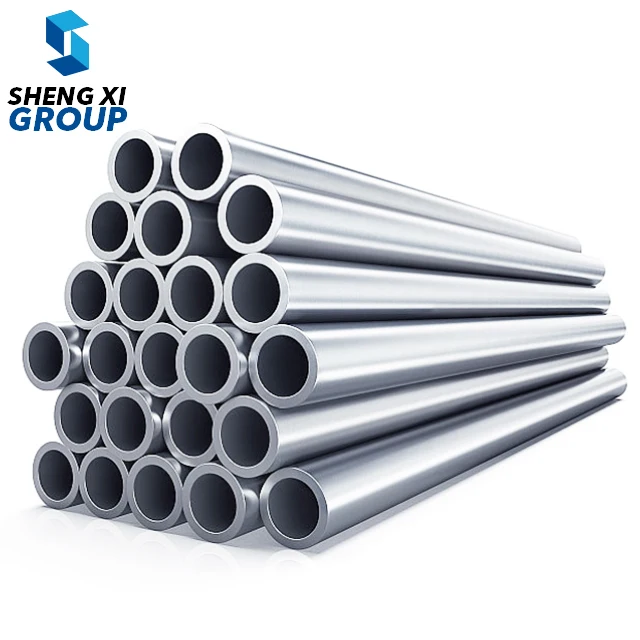
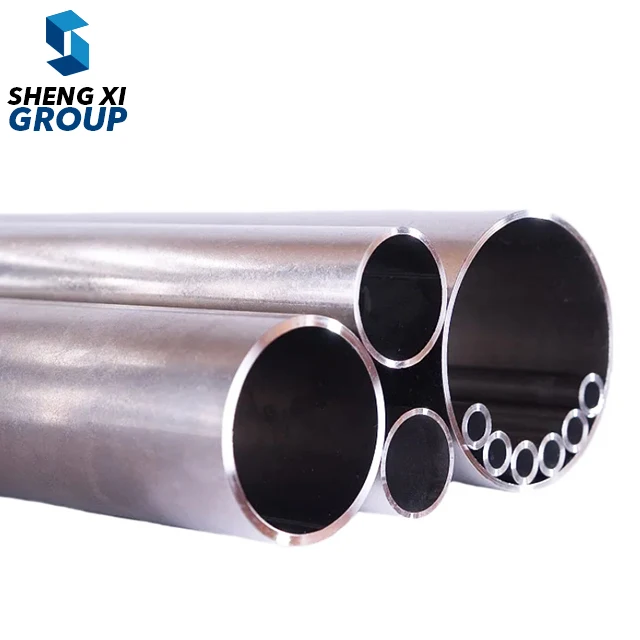
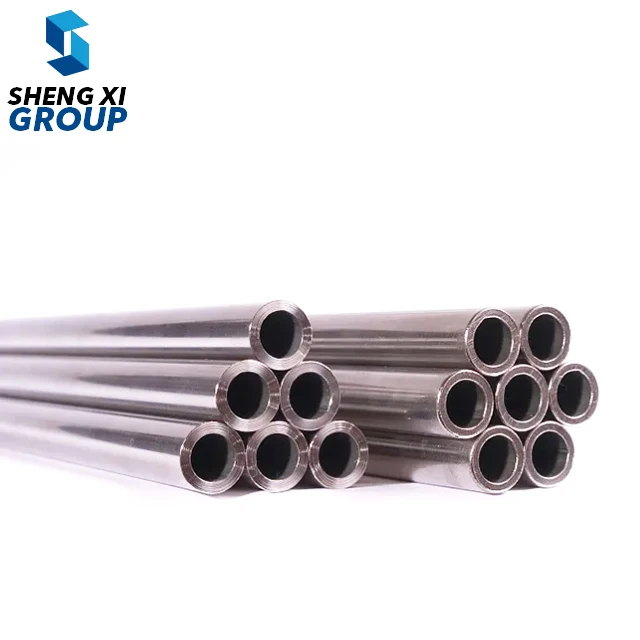
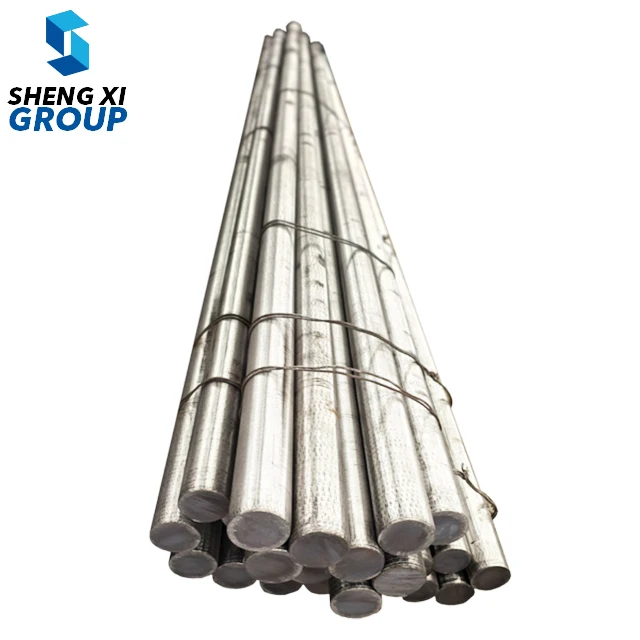
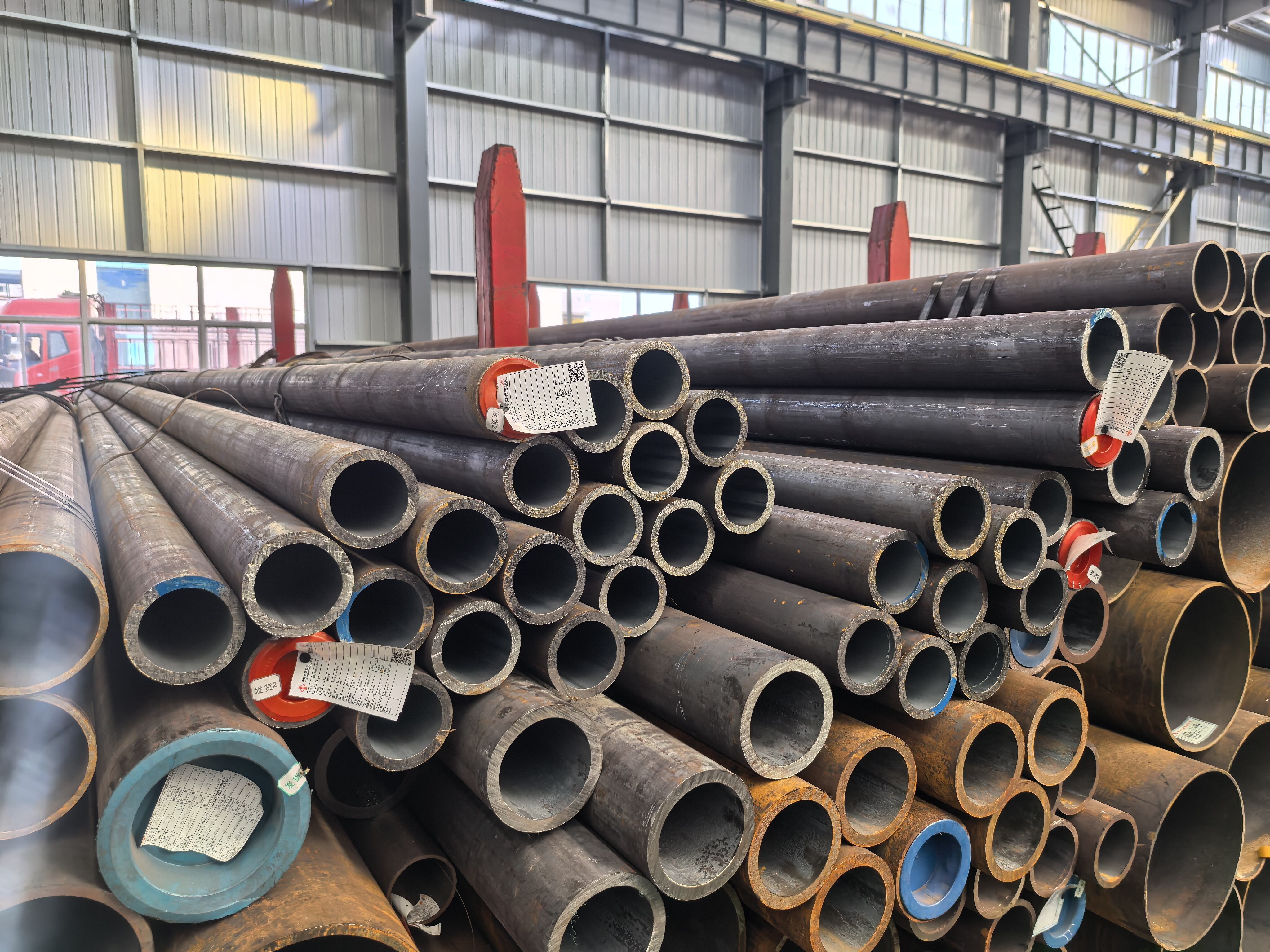
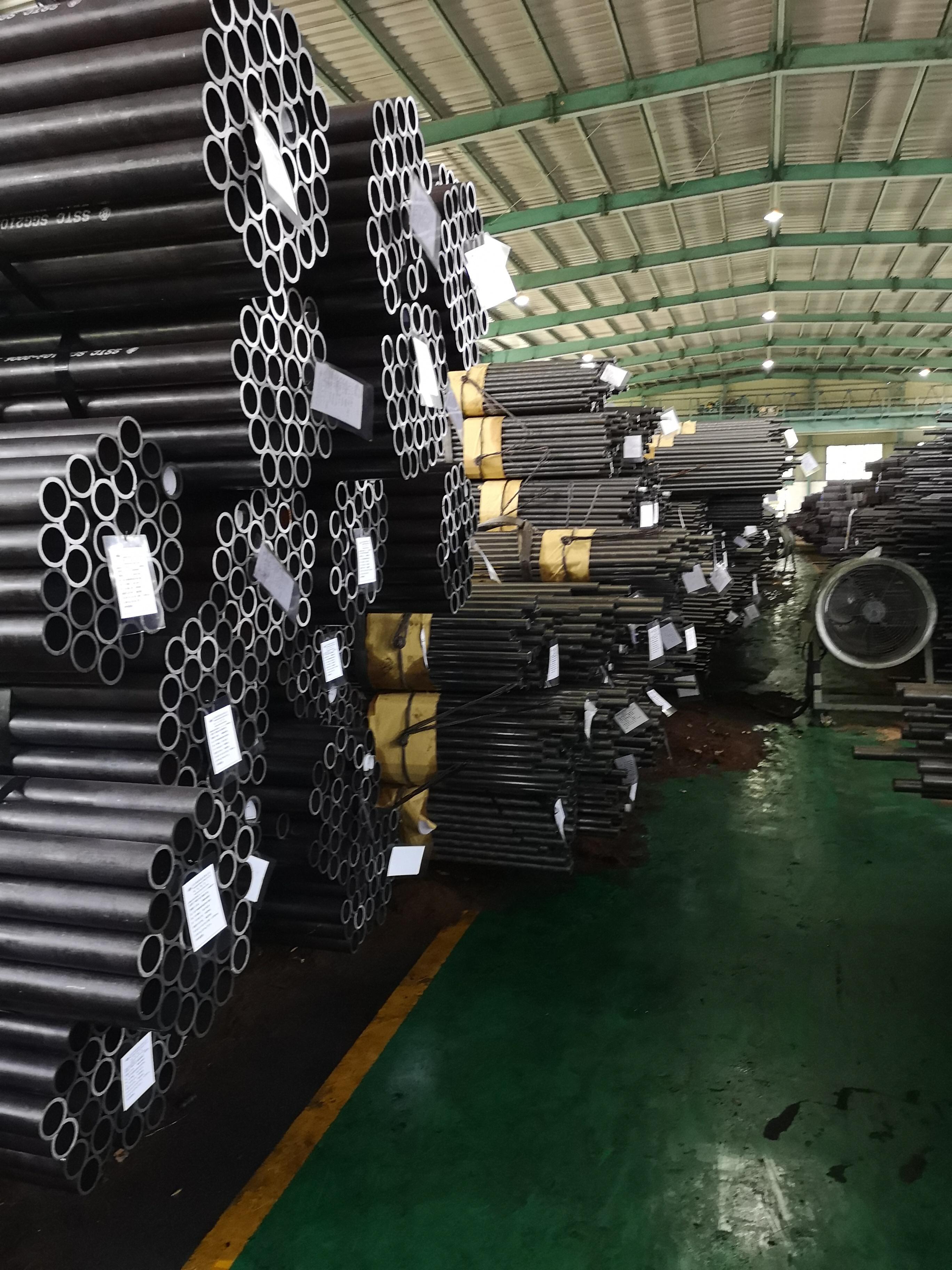
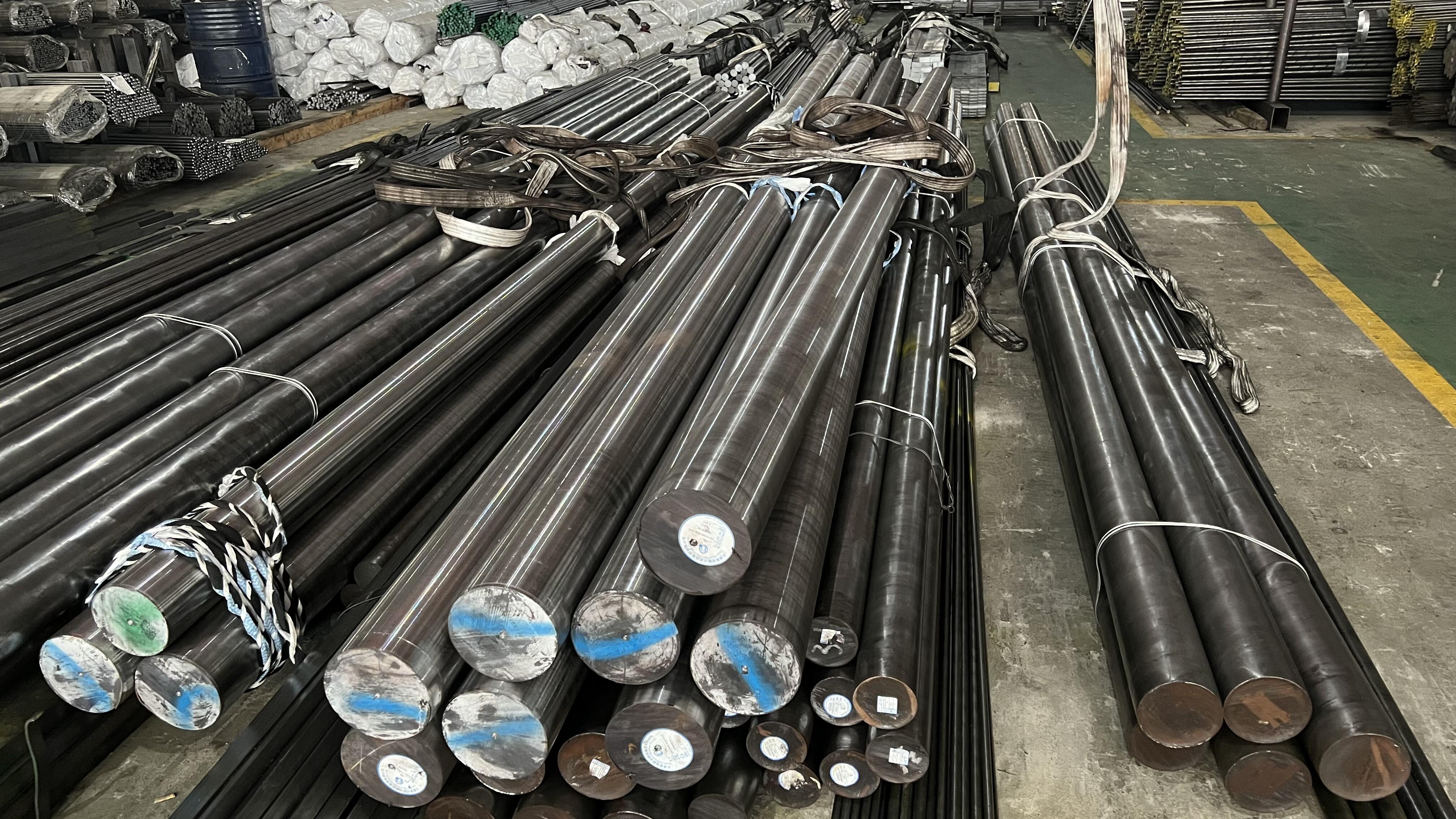
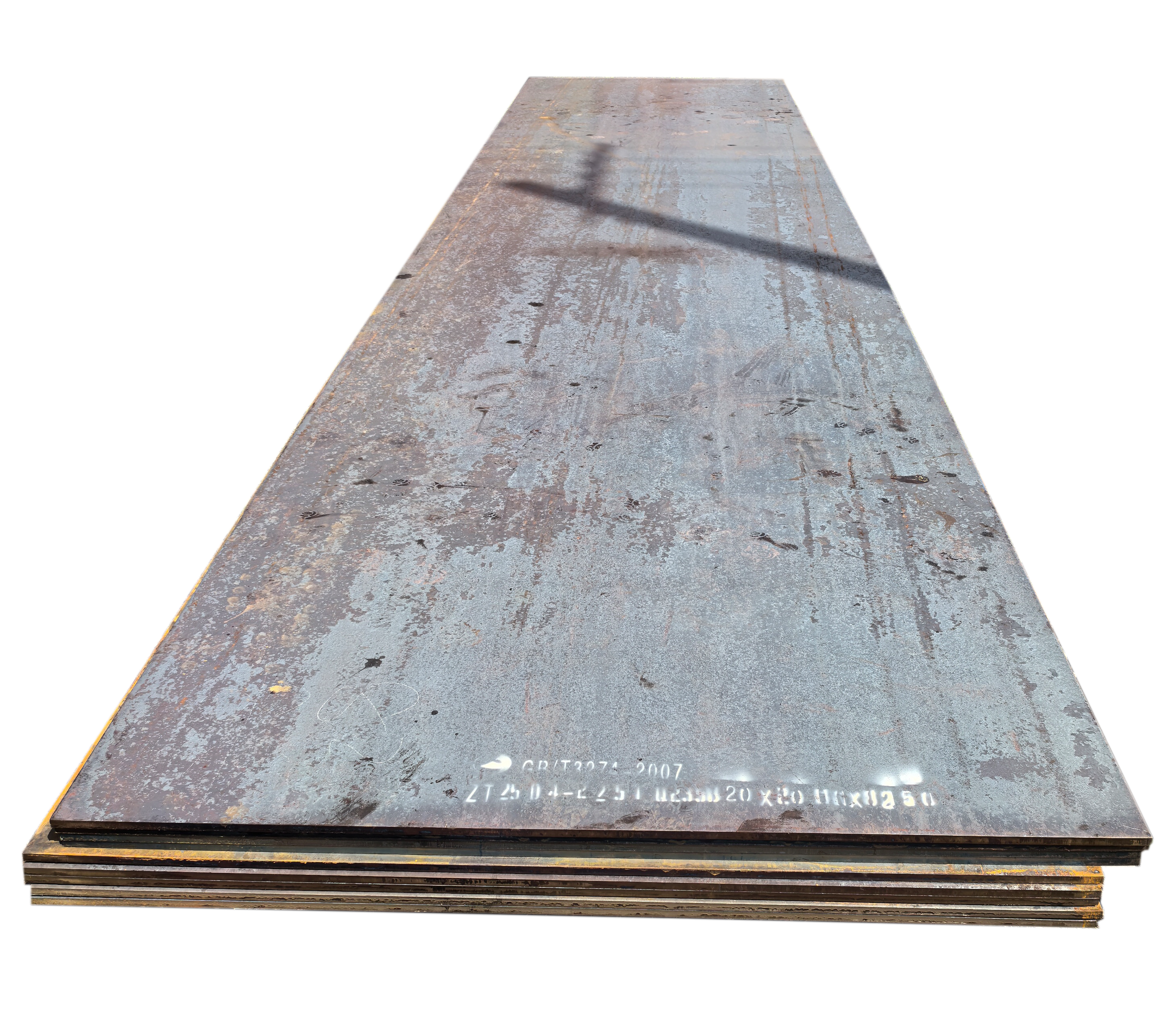
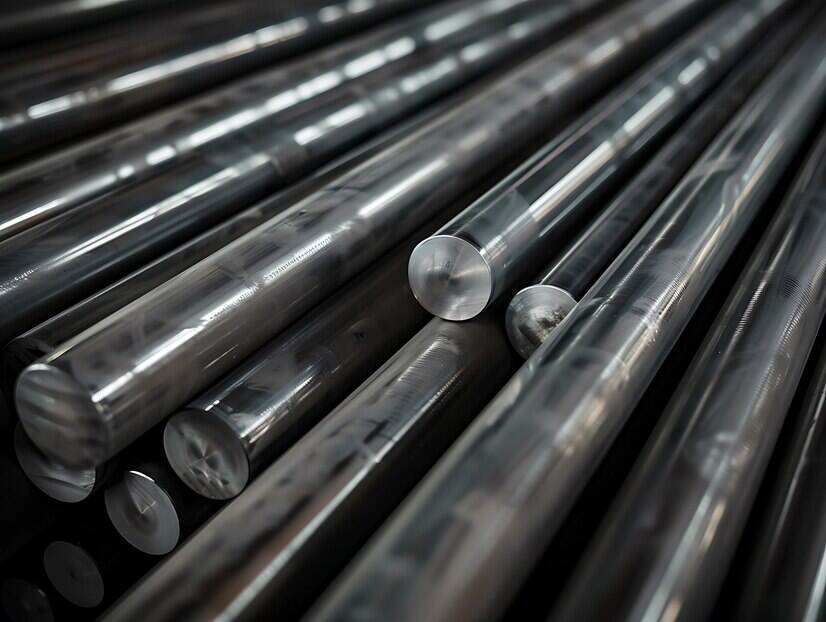
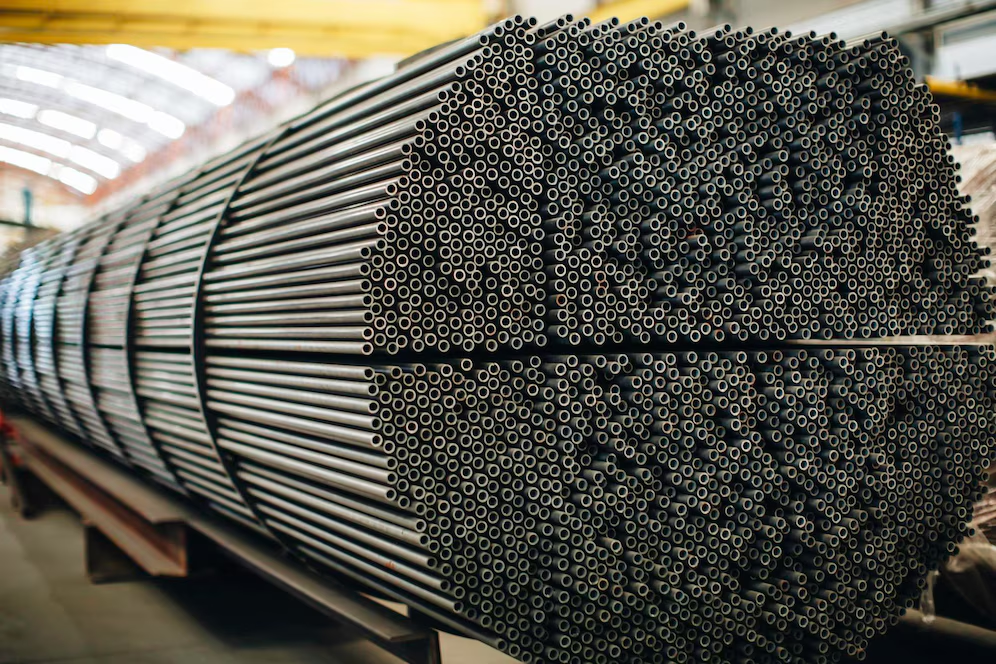
When you buy carbon steel, you invest in one of the most versatile and widely used materials in modern manufacturing and construction. Carbon steel represents a fundamental alloy composed primarily of iron and carbon, with carbon content typically ranging from 0.05% to 2.0% by weight. This essential material serves as the backbone for countless industrial applications, from automotive components to construction frameworks. The decision to buy carbon steel offers manufacturers and builders access to a material that combines exceptional strength, durability, and cost-effectiveness in ways that few other materials can match. Carbon steel's technological features stem from its unique molecular structure, where carbon atoms integrate into the iron matrix to create enhanced mechanical properties. The carbon content directly influences the steel's hardness, tensile strength, and overall performance characteristics. Low carbon steel varieties contain less than 0.30% carbon, making them highly malleable and ideal for forming operations. Medium carbon steel, with 0.30% to 0.60% carbon content, provides balanced strength and workability. High carbon steel exceeds 0.60% carbon content, delivering maximum hardness and wear resistance. Manufacturing processes for carbon steel include hot rolling, cold rolling, forging, and heat treatment, each contributing to specific property enhancements. Applications for carbon steel span virtually every industry imaginable. Construction professionals buy carbon steel for structural beams, reinforcement bars, and building frameworks due to its excellent load-bearing capabilities. Automotive manufacturers utilize carbon steel for body panels, chassis components, and engine parts because of its formability and crash resistance. The machinery industry relies on carbon steel for gears, shafts, and cutting tools where strength and durability are paramount. Pipeline construction extensively uses carbon steel for oil, gas, and water transportation systems. Agricultural equipment manufacturers buy carbon steel for plows, harvesters, and irrigation systems. The material's magnetic properties make it valuable for electrical applications, while its corrosion resistance can be enhanced through various coating processes to extend service life in challenging environments.

Popular Products

The decision to buy carbon steel brings numerous practical advantages that directly impact project success and operational efficiency. Cost-effectiveness stands as the primary benefit, as carbon steel typically costs significantly less than stainless steel or specialty alloys while delivering comparable performance in many applications. This economic advantage allows businesses to allocate resources more efficiently across projects without compromising quality or safety standards. Availability represents another crucial advantage when you buy carbon steel, as this material maintains consistent supply chains worldwide. Unlike specialty metals that may face supply disruptions or long lead times, carbon steel remains readily accessible through established distribution networks. This reliability enables project managers to maintain construction schedules and production timelines without material-related delays. The exceptional strength-to-weight ratio of carbon steel provides structural engineers with design flexibility while maintaining safety margins. Projects can achieve required load capacities using less material volume compared to other alternatives, reducing overall project costs and simplifying transportation logistics. Fabrication advantages emerge from carbon steel's excellent workability characteristics. The material responds well to cutting, welding, machining, and forming operations using standard equipment and techniques. This compatibility with existing fabrication processes eliminates the need for specialized tooling or training, reducing implementation costs and project complexity. Maintenance requirements for carbon steel structures remain minimal when proper protective measures are applied. Regular inspection and appropriate coating systems can extend service life to several decades, providing excellent return on investment. The material's repairability allows for cost-effective maintenance strategies, as damaged sections can be easily replaced or reinforced using standard welding techniques. Environmental sustainability benefits accompany the choice to buy carbon steel, as this material maintains high recyclability rates. End-of-life carbon steel products can be recycled into new steel products without quality degradation, supporting circular economy principles. The steel industry's commitment to reducing carbon emissions through advanced production technologies further enhances the environmental profile of carbon steel purchases. Performance consistency across temperature ranges makes carbon steel suitable for both indoor and outdoor applications. The material maintains structural integrity in varying weather conditions and can be specified for extreme temperature environments with appropriate grade selection. Quality assurance standards for carbon steel are well-established through international specifications and testing protocols, ensuring purchasers receive materials that meet or exceed project requirements.

Practical Tips

How to Heat Treat Bearing Steel

08

Jul

How to Heat Treat Bearing Steel

Fundamentals of Heat Treating Bearing Steel Composition Requirements for Bearing Steel What makes bearing steel work so well comes down to its composition, which needs to hit certain performance benchmarks for durability. The main ingredients mixed...
View More
How to Improve the Quality of Steel by Cold Rolling

08

Jul

How to Improve the Quality of Steel by Cold Rolling

Understanding Cold Rolling's Role in Steel Quality Cold rolling stands out as a manufacturing technique where steel gets compressed between rollers at normal temperatures rather than being heated first. When compared to hot rolling processes that w...
View More
Development trends of high-strength steel

22

Sep

Development trends of high-strength steel

The Evolution of Advanced Steel Manufacturing The metallurgical industry has witnessed a remarkable transformation in recent decades, with high-strength steel emerging as a cornerstone of modern manufacturing. This innovative material has revolutioni...
View More
Solution paths for insufficient core hardness in die steel?‌

31

Oct

Solution paths for insufficient core hardness in die steel?‌

Understanding Core Hardness Challenges in Modern Die Steel Manufacturing Core hardness represents a critical quality parameter in die steel production that directly impacts tool performance and longevity. When manufacturers encounter insufficient cor...
View More

Get a Free Quote

Our representative will contact you soon.
Email
Name
Company Name
Message
0/1000

buy carbon steel

Exceptional Strength and Durability for Long-Term Performance

Exceptional Strength and Durability for Long-Term Performance

When you buy carbon steel, you secure access to a material renowned for its exceptional strength characteristics and long-term durability that surpass many alternative materials. The fundamental strength of carbon steel derives from its crystalline structure, where carbon atoms create interstitial solid solutions within the iron lattice, significantly enhancing the material's mechanical properties. This molecular arrangement generates impressive tensile strength values ranging from 400 MPa to over 1000 MPa, depending on carbon content and heat treatment processes. The material's yield strength provides reliable performance under working loads, while its ultimate tensile strength offers substantial safety margins for critical applications. Durability extends beyond mere strength measurements to encompass fatigue resistance, impact toughness, and long-term dimensional stability. Carbon steel demonstrates excellent fatigue performance under cyclic loading conditions, making it ideal for rotating machinery, bridge structures, and automotive components subjected to repeated stress cycles. Impact toughness allows carbon steel structures to absorb sudden shock loads without catastrophic failure, a crucial characteristic for construction applications in seismic zones or industrial environments with dynamic loading conditions. The material's ability to maintain dimensional stability over extended periods ensures that precision-manufactured components retain their specified tolerances throughout their service life. Heat treatment processes further enhance the durability characteristics of carbon steel, allowing manufacturers to tailor properties for specific applications. Quenching and tempering operations can optimize the balance between hardness and toughness, while normalizing treatments refine grain structure for improved uniformity. Case hardening techniques create wear-resistant surfaces while maintaining tough, ductile cores, extending component life in abrasive environments. Proper heat treatment also relieves internal stresses that might otherwise lead to distortion or premature failure. Environmental factors that might compromise other materials have minimal impact on properly protected carbon steel. When appropriate protective coatings or cathodic protection systems are implemented, carbon steel structures can withstand decades of exposure to challenging conditions. The material's proven track record in infrastructure applications, where structures routinely exceed 50-year service lives, demonstrates the exceptional value proposition that customers receive when they buy carbon steel for critical applications requiring reliable, long-term performance.
Superior Workability and Fabrication Flexibility

Superior Workability and Fabrication Flexibility

The decision to buy carbon steel provides manufacturers and fabricators with unparalleled workability advantages that streamline production processes while maintaining exceptional quality standards. Carbon steel's superior formability characteristics enable complex shape creation through various manufacturing techniques including deep drawing, stamping, bending, and roll forming. The material's ductility allows for significant plastic deformation without cracking or tearing, making it ideal for automotive body panels, appliance housings, and architectural components requiring intricate geometries. Cold forming operations particularly benefit from carbon steel's excellent strain hardening properties, which actually strengthen the material during the forming process. Welding compatibility represents one of carbon steel's most significant advantages, as the material readily accepts various welding processes including arc welding, gas welding, and resistance welding techniques. The consistent chemical composition of carbon steel ensures predictable welding behavior, reducing the likelihood of defects and simplifying quality control procedures. Welders can achieve full-strength joints using standard welding consumables and procedures, eliminating the need for specialized equipment or exotic filler materials. This compatibility extends to both thin sheet applications and heavy structural welding, providing versatility across diverse project requirements. Machining operations benefit significantly from carbon steel's optimal hardness range and chip formation characteristics. The material machines cleanly with standard cutting tools, producing excellent surface finishes while maintaining reasonable tool life. Drilling, turning, milling, and grinding operations can be performed efficiently using conventional metalworking equipment, reducing capital investment requirements for manufacturers. The predictable machining behavior also enables automated manufacturing processes with consistent results and minimal tool wear. Heat treatment flexibility allows fabricators to modify carbon steel properties after forming operations, providing unprecedented design freedom. Components can be formed in a soft, malleable condition and subsequently hardened for wear resistance or strength enhancement. This sequence flexibility enables the production of complex parts that would be impossible to manufacture in their final hardened state. Flame cutting and plasma cutting operations produce clean edges with minimal heat-affected zones, facilitating rapid fabrication of structural components. The material's excellent thermal conductivity helps dissipate cutting heat, preventing edge hardening that might complicate subsequent operations. When you buy carbon steel, these fabrication advantages translate directly into reduced manufacturing costs, shorter production cycles, and enhanced design possibilities that drive competitive advantage in today's demanding marketplace.
Outstanding Cost-Effectiveness and Economic Value

Outstanding Cost-Effectiveness and Economic Value

The economic advantages of choosing to buy carbon steel extend far beyond initial purchase price considerations, encompassing total lifecycle value that delivers superior return on investment across diverse applications. Raw material costs for carbon steel remain consistently competitive due to abundant iron ore resources and efficient production technologies that have been refined over more than a century. Large-scale steel production facilities achieve economies of scale that benefit end users through stable pricing structures and predictable cost projections for budget planning purposes. The standardization of carbon steel grades and specifications reduces procurement complexity while ensuring competitive pricing through multiple supplier options. Manufacturing efficiency gains emerge when you buy carbon steel due to the material's compatibility with existing production equipment and processes. Fabrication shops can utilize their current machinery, tooling, and workforce expertise without requiring significant capital investments or extensive retraining programs. This compatibility eliminates the learning curve associated with specialty materials, reducing production time and minimizing the risk of costly mistakes during manufacturing operations. The high productivity achievable with carbon steel fabrication processes translates into lower labor costs per finished component. Transportation and logistics costs benefit from carbon steel's favorable strength-to-weight ratio, allowing more material value to be shipped per unit weight compared to alternative materials. Standard shipping methods and handling equipment accommodate carbon steel products efficiently, avoiding the special handling requirements and associated costs of exotic materials. Inventory management becomes more straightforward due to standardized sizes and grades that serve multiple applications, reducing stock-keeping complexity and carrying costs. Long-term economic benefits accumulate through carbon steel's exceptional service life and minimal maintenance requirements. Properly designed and protected carbon steel structures routinely exceed their initial design life, providing decades of reliable service that amortizes initial investment costs over extended periods. Maintenance activities typically involve standard procedures that can be performed by conventional contractors using readily available materials and equipment, avoiding the premium costs associated with specialty repairs. End-of-life value recovery through recycling provides additional economic benefits, as carbon steel maintains high scrap value that can offset replacement costs. The global recycling infrastructure for steel products ensures that end-of-life materials retain economic value, supporting circular economy principles while providing financial returns to owners. Insurance and risk management costs often decrease when you buy carbon steel for structural applications, as the material's well-documented performance history and predictable behavior patterns reduce uncertainties that might otherwise increase premiums or require additional safety factors in design calculations.
Buy Carbon Steel - Premium Quality Steel Solutions for Industrial Applications

Get a Free Quote

Our representative will contact you soon.
Email
Name
Company Name
Message
0/1000