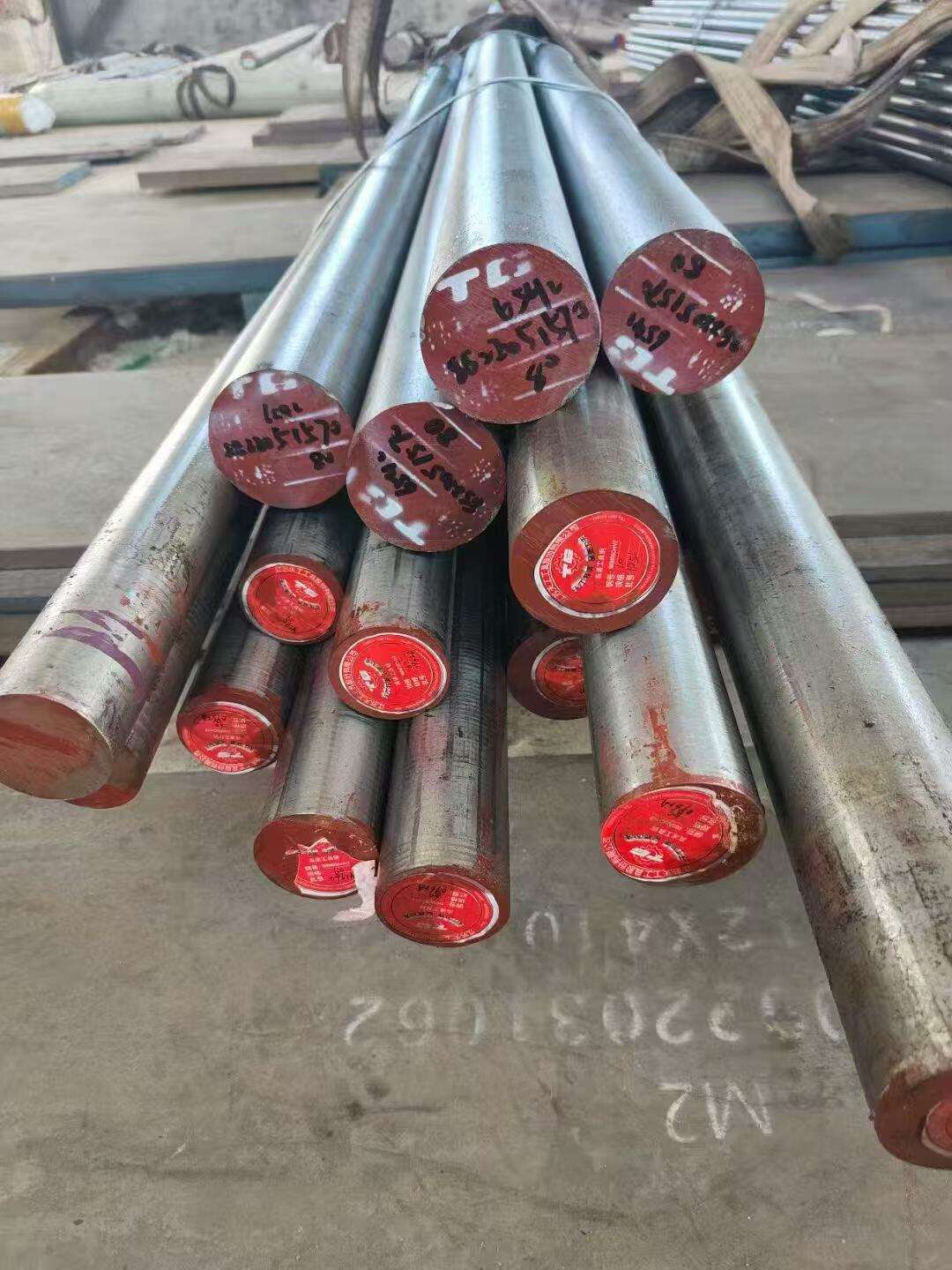
m2 steel
M2 steel stands as one of the most versatile and widely used high-speed steel grades in modern manufacturing and tooling applications. This tungsten-molybdenum based alloy contains approximately 6% tungsten, 5% molybdenum, 4% chromium, 2% vanadium, and 0.85% carbon, creating a sophisticated metallurgical composition that delivers exceptional performance across diverse industrial sectors. The primary function of m2 steel centers on its ability to maintain cutting edge sharpness and structural integrity under extreme operating conditions, making it indispensable for precision machining operations. Its technological features include superior red hardness properties, allowing tools made from m2 steel to retain their hardness even when temperatures reach 600°C during high-speed cutting operations. The steel demonstrates remarkable wear resistance due to its fine carbide distribution and balanced alloy composition, ensuring extended tool life and consistent performance. M2 steel applications span across numerous industries, from aerospace manufacturing where precision drilling and milling operations demand reliable tooling materials, to automotive production lines requiring durable cutting implements for mass production processes. The material excels in producing drill bits, end mills, reamers, taps, and various cutting tools that must withstand repetitive stress cycles while maintaining dimensional accuracy. Medical device manufacturing relies heavily on m2 steel for creating surgical instruments and precision components where failure is not an option. The steel's ability to achieve and maintain fine surface finishes makes it particularly valuable in industries requiring smooth, precise cuts and minimal post-processing work. Its balanced hardness and toughness properties allow manufacturers to push cutting speeds and feed rates beyond what conventional tool steels can handle, resulting in increased productivity and reduced manufacturing costs. The consistent microstructure of m2 steel ensures predictable performance characteristics, enabling engineers to design tooling solutions with confidence in their long-term reliability and effectiveness.

 EN
EN