Self Weathering Steel: Superior Corrosion Resistant Steel Solutions for Modern Construction

All Categories

self weathering steel

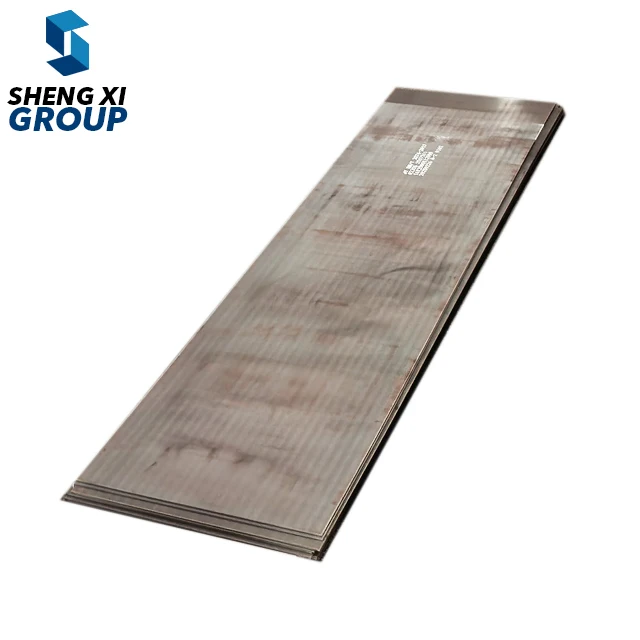
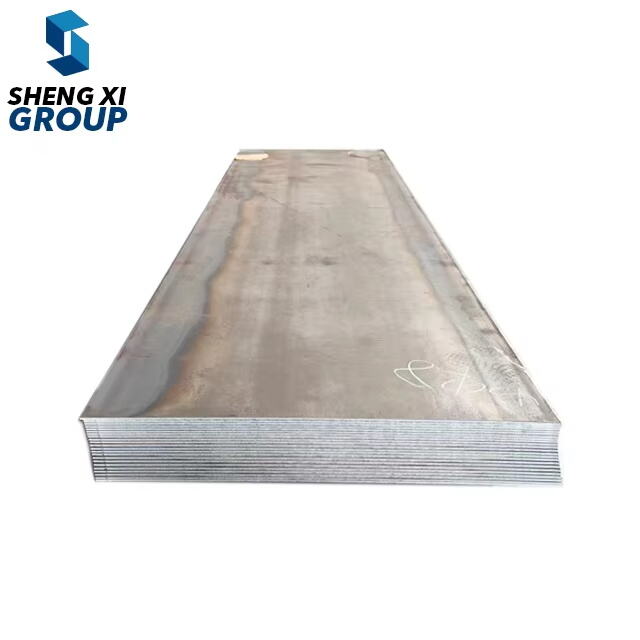
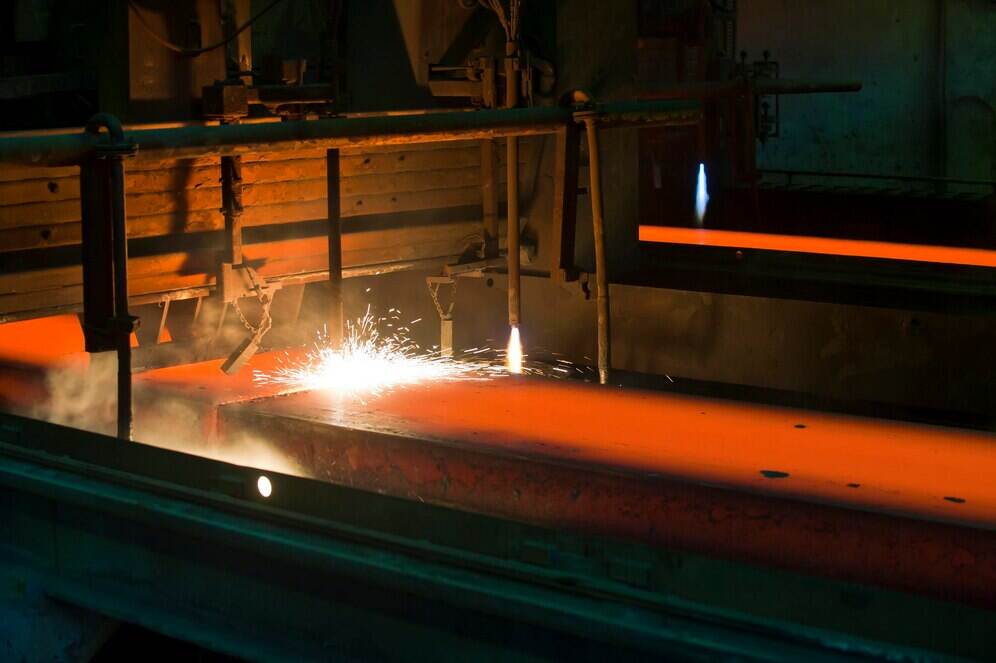
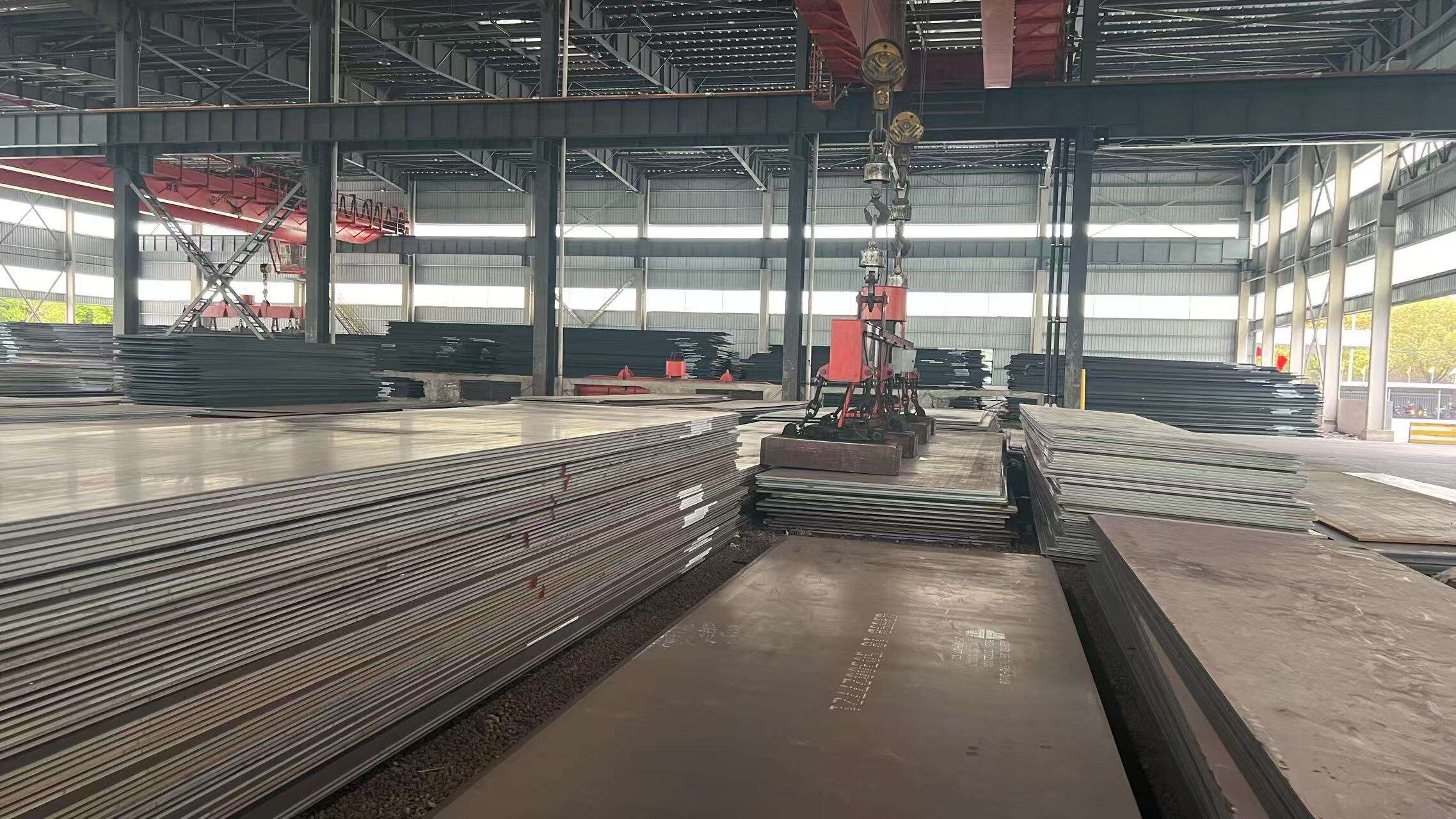
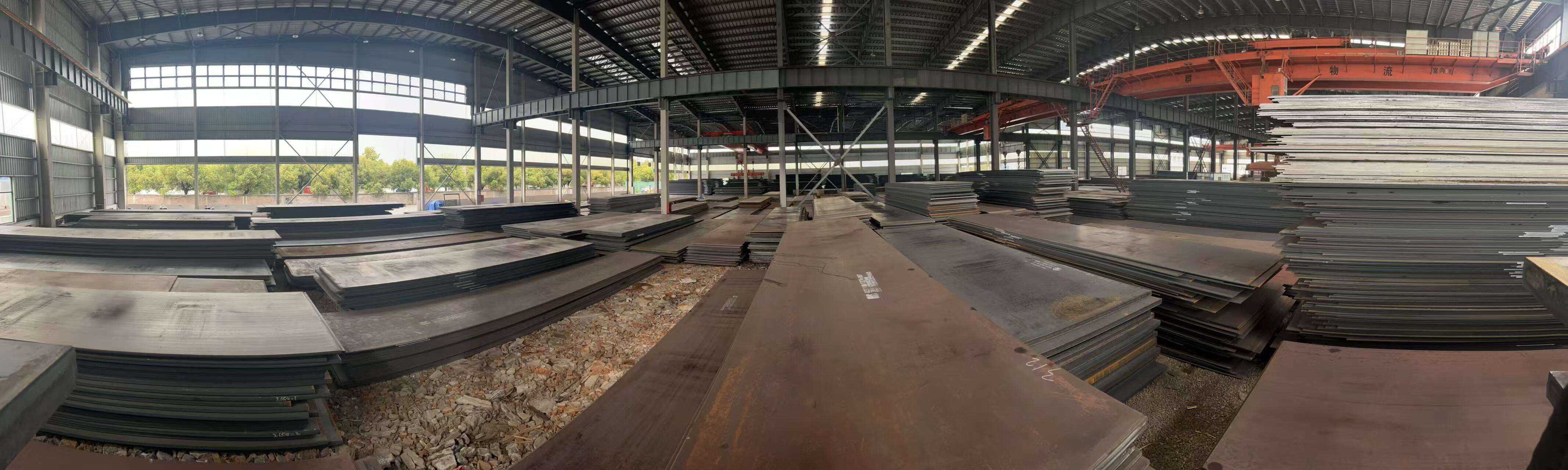
Self weathering steel represents a revolutionary advancement in metallurgical engineering, offering exceptional durability and aesthetic appeal for modern construction projects. This specialized alloy develops a protective rust layer that shields the underlying metal from further corrosion, eliminating the need for traditional protective coatings. The formation of this patina occurs through controlled oxidation processes that create a stable barrier against environmental elements. Self weathering steel contains carefully balanced amounts of copper, chromium, nickel, and phosphorus, which work together to enhance corrosion resistance properties. The steel's unique composition allows it to withstand harsh weather conditions while maintaining structural integrity over extended periods. Unlike conventional steel materials, self weathering steel requires minimal maintenance throughout its operational lifespan, making it an economically viable solution for large-scale infrastructure projects. The material exhibits superior strength-to-weight ratios compared to standard carbon steels, enabling architects and engineers to design more efficient structures with reduced material consumption. Self weathering steel applications span across bridge construction, building facades, sculptural installations, and industrial equipment manufacturing. The distinctive reddish-brown patina that develops naturally provides an aesthetically pleasing appearance that complements both modern and traditional architectural styles. Environmental considerations make self weathering steel particularly attractive, as it eliminates the need for harmful chemical treatments and frequent repainting cycles. The steel's longevity contributes significantly to sustainable construction practices by reducing replacement frequency and associated resource consumption. Manufacturing processes for self weathering steel incorporate advanced quality control measures to ensure consistent performance characteristics across different production batches, guaranteeing reliable results for critical applications.

New Products

Self weathering steel delivers substantial cost savings through its maintenance-free characteristics, eliminating the recurring expenses associated with painting, coating, and surface treatments that conventional steel requires. Property owners save thousands of dollars annually by avoiding labor costs, material purchases, and equipment rental fees typically needed for steel maintenance programs. The steel's self-protecting nature means no scaffolding, sandblasting, or hazardous chemical applications are necessary throughout its service life. Construction timelines accelerate significantly when using self weathering steel, as projects can proceed without waiting for multiple coating applications and curing periods. This time efficiency translates directly into reduced labor costs and earlier project completion dates, providing substantial financial benefits for developers and contractors. The material's exceptional durability ensures structures remain functional for decades without performance degradation, offering superior return on investment compared to traditional building materials. Self weathering steel demonstrates remarkable resistance to atmospheric corrosion, salt spray, and industrial pollutants, making it ideal for coastal installations and urban environments where conventional steel would fail prematurely. The steel's ability to maintain structural integrity under extreme temperature fluctuations prevents costly repairs and replacements that plague other metal systems. Environmental benefits include reduced carbon footprint through extended material lifespan and elimination of toxic coating chemicals that can harm ecosystems. Self weathering steel contributes to green building certifications by supporting sustainable construction practices and reducing overall environmental impact. The material's recyclability at end-of-life ensures responsible resource management and supports circular economy principles. Installation processes become simpler and safer without the need for specialized coating equipment or hazardous material handling procedures. Quality control becomes more straightforward as there are no coating defects, adhesion failures, or application inconsistencies to monitor during construction phases. Long-term performance reliability reduces insurance costs and liability concerns associated with structural failures or maintenance-related accidents.

Practical Tips

The Advantages of High Strength Steel

27

Aug

The Advantages of High Strength Steel

Understanding the Revolution in Modern Steel Manufacturing High strength steel has emerged as a cornerstone material in modern engineering and construction, fundamentally transforming how we build everything from skyscrapers to automobiles. This rema...
View More
Development trends of high-strength steel

22

Sep

Development trends of high-strength steel

The Evolution of Advanced Steel Manufacturing The metallurgical industry has witnessed a remarkable transformation in recent decades, with high-strength steel emerging as a cornerstone of modern manufacturing. This innovative material has revolutioni...
View More
Categories of high-speed tool steel

27

Nov

Categories of high-speed tool steel

Understanding Modern High-Speed Tool Steel Classifications High-speed tool steel represents one of the most significant innovations in metalworking, fundamentally transforming manufacturing capabilities across industries. These specialized steel allo...
View More
Application fields of tool steel

27

Nov

Application fields of tool steel

Understanding the Versatility of Modern Tool Steel Tool steel represents one of the most versatile and robust materials in modern manufacturing and industrial applications. This specialized form of steel, characterized by its exceptional hardness, re...
View More

Get a Free Quote

Our representative will contact you soon.
Email
Name
Company Name
Message
0/1000

self weathering steel

Superior Corrosion Protection Through Natural Patina Formation

Superior Corrosion Protection Through Natural Patina Formation

Self weathering steel's most distinctive advantage lies in its remarkable ability to develop a protective patina layer that acts as a natural barrier against corrosion. This innovative characteristic stems from the steel's carefully engineered chemical composition, which includes specific percentages of copper, chromium, nickel, and phosphorus that work synergistically to create this protective mechanism. When exposed to atmospheric conditions, self weathering steel undergoes a controlled oxidation process that forms a dense, adherent rust layer on its surface. Unlike conventional rust that continues to spread and weaken the underlying metal, this patina becomes increasingly stable and protective over time. The formation process typically takes six to eighteen months, depending on environmental conditions such as humidity, temperature, and exposure to rain cycles. During this period, the steel develops its characteristic reddish-brown appearance while simultaneously building its defensive properties. The patina layer effectively seals the steel surface from moisture penetration, oxygen exposure, and corrosive agents that would normally cause deterioration in standard steel materials. This natural protection system eliminates the need for expensive protective coatings, primers, or painting systems that require regular maintenance and renewal. The patina's effectiveness has been proven through extensive testing in various climatic conditions, from coastal environments with high salt content to industrial areas with significant air pollution. Research studies demonstrate that properly formed patina layers can extend steel lifespan by decades compared to unprotected carbon steel alternatives. The protective mechanism becomes self-reinforcing as the patina layer thickens and stabilizes, providing increasingly effective barrier properties against environmental challenges. This natural corrosion resistance makes self weathering steel particularly valuable for infrastructure projects where long-term durability is paramount and maintenance access is limited or costly.
Exceptional Structural Performance and Design Flexibility

Exceptional Structural Performance and Design Flexibility

Self weathering steel delivers outstanding structural performance characteristics that enable architects and engineers to create innovative designs while ensuring superior safety margins and operational reliability. The material exhibits enhanced tensile strength properties that often exceed conventional steel grades by fifteen to twenty percent, allowing for more efficient structural designs with reduced material quantities. This improved strength-to-weight ratio enables the construction of longer spans, taller structures, and more complex geometries without compromising structural integrity or safety requirements. The steel's consistent mechanical properties remain stable throughout its service life, providing predictable performance that engineers can rely upon for critical load-bearing applications. Fatigue resistance represents another significant advantage, as self weathering steel demonstrates superior performance under cyclic loading conditions common in bridges, towers, and industrial equipment. This enhanced fatigue life translates into extended service periods and reduced risk of unexpected failures that could result in costly repairs or safety incidents. The material's excellent weldability facilitates efficient fabrication processes and enables complex joint configurations that might be challenging with other high-strength steel alternatives. Quality control during manufacturing ensures consistent grain structure and chemical composition that contribute to reliable mechanical properties across different production batches. Self weathering steel maintains its structural performance across wide temperature ranges, from arctic conditions to tropical climates, making it suitable for global applications without performance concerns. The material's ductility properties provide excellent energy absorption capabilities during seismic events or impact loading scenarios, contributing to overall structural resilience. Design flexibility extends to architectural applications where the steel's natural patina provides aesthetic appeal while maintaining full structural functionality. Engineers appreciate the material's predictable behavior under various loading conditions, enabling more confident design approaches and potentially reduced safety factors in appropriate applications. Long-term creep resistance ensures dimensional stability in structures subjected to sustained loading over extended periods.
Economic Benefits and Lifecycle Cost Optimization

Economic Benefits and Lifecycle Cost Optimization

Self weathering steel provides exceptional economic advantages through comprehensive lifecycle cost optimization that extends far beyond initial material pricing considerations. The elimination of protective coating systems represents immediate savings in material costs, labor expenses, and application equipment that can account for twenty to thirty percent of total steel installation expenses. These upfront savings become even more significant when considering the complex logistics and specialized equipment required for proper coating application in field conditions. Maintenance cost elimination over the structure's operational lifespan delivers the most substantial economic benefits, as conventional steel systems require regular inspection, surface preparation, and recoating cycles every five to fifteen years depending on environmental conditions. Self weathering steel eliminates these recurring expenses entirely, resulting in lifecycle savings that often exceed the initial material investment by factors of three to five times. The reduced maintenance requirements translate into decreased operational disruptions, particularly important for infrastructure applications where access restrictions or service interruptions carry significant economic penalties. Insurance and liability cost reductions occur naturally as the risk of coating system failures, maintenance-related accidents, and structural deterioration decreases substantially with self weathering steel applications. Project scheduling becomes more efficient and predictable without the constraints imposed by coating application weather windows, curing times, and specialized contractor availability that often delay conventional steel projects. Labor productivity improvements result from simplified installation procedures that eliminate coating-related quality control requirements and reduce overall project complexity. The steel's extended service life reduces replacement frequency and associated costs including demolition, disposal, new material procurement, and reconstruction activities. Self weathering steel's contribution to green building certifications can provide additional economic benefits through tax incentives, reduced financing costs, and enhanced property values. Supply chain advantages include simplified material handling, reduced storage requirements for coating materials, and elimination of hazardous material transport and disposal costs. Risk mitigation benefits extend to long-term budget planning, as organizations can more accurately predict maintenance expenses and avoid unexpected coating system failures that require emergency repairs.
Self Weathering Steel: Superior Corrosion Resistant Steel Solutions for Modern Construction

Get a Free Quote

Our representative will contact you soon.
Email
Name
Company Name
Message
0/1000