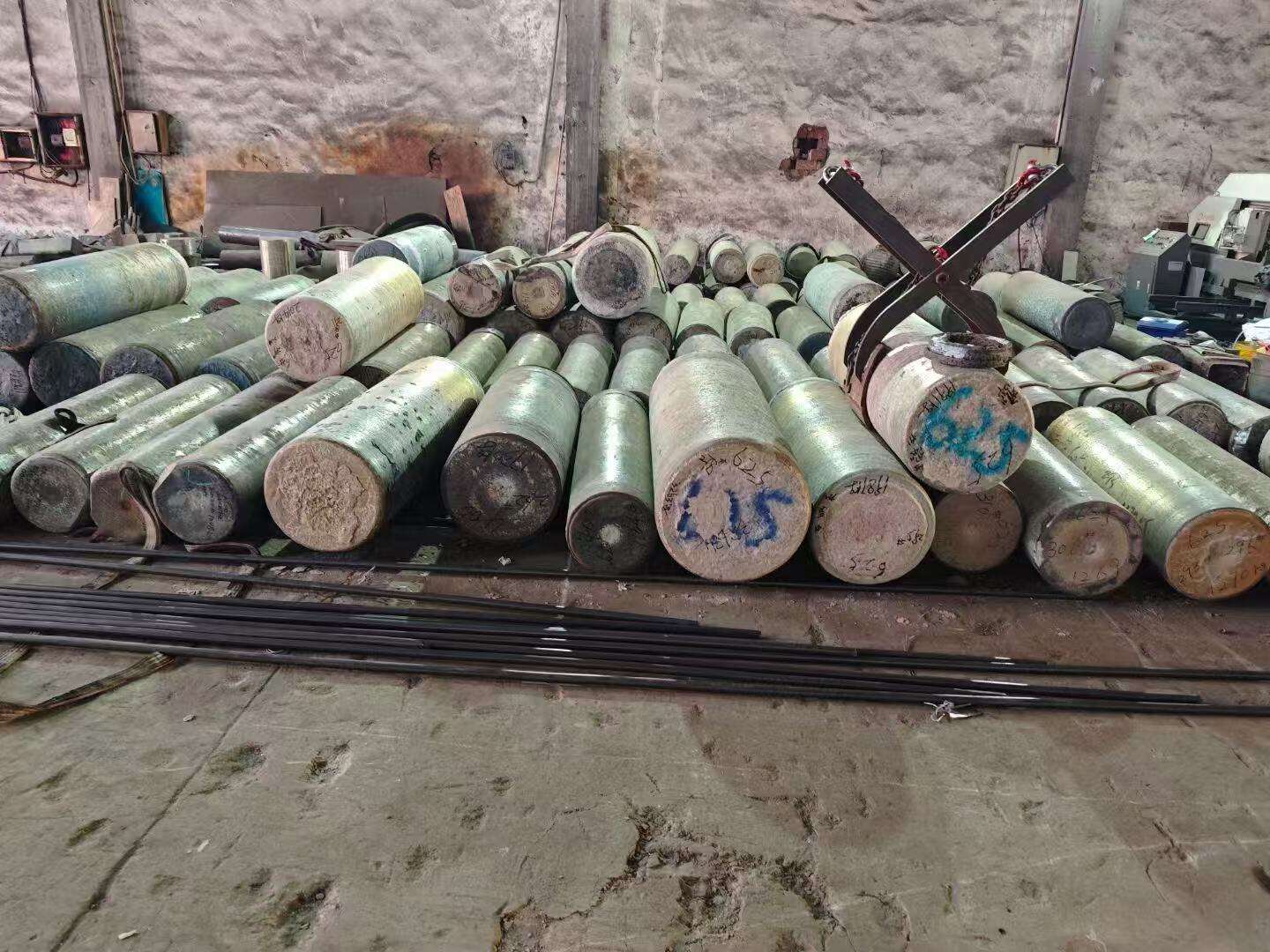
inconel 601 temperature limits
Inconel 601 temperature limits represent a critical specification for one of the most versatile nickel-chromium alloys in high-temperature industrial applications. This superalloy demonstrates exceptional performance capabilities, with continuous service temperatures reaching up to 2150°F (1177°C) in oxidizing environments and intermittent exposure tolerance extending to 2200°F (1204°C). The inconel 601 temperature limits are fundamentally determined by its sophisticated metallurgical composition, featuring approximately 60% nickel, 23% chromium, and 14% iron, along with controlled additions of aluminum that enhance its oxidation resistance. These temperature limits make it indispensable for applications requiring sustained operation under extreme thermal conditions. The alloy's main functions revolve around providing structural integrity and corrosion resistance in high-temperature environments where conventional materials would fail catastrophically. Its technological features include superior resistance to oxidation, carburization, and sulfidation, making it ideal for petrochemical processing equipment, heat treatment furnaces, and thermal processing applications. The inconel 601 temperature limits enable its widespread use in industrial furnace components, including muffles, retorts, and radiant tubes, where consistent performance at elevated temperatures is essential. Additionally, these temperature limits support applications in chemical processing industries, particularly in environments involving sulfur-containing atmospheres and carburizing conditions. The alloy's ability to maintain mechanical properties within its specified temperature limits ensures reliable operation in gas turbine components, heat exchangers, and high-temperature structural applications. Understanding inconel 601 temperature limits is crucial for engineers and procurement professionals who must select materials capable of withstanding demanding thermal environments while maintaining cost-effectiveness and operational reliability throughout extended service periods.

 EN
EN