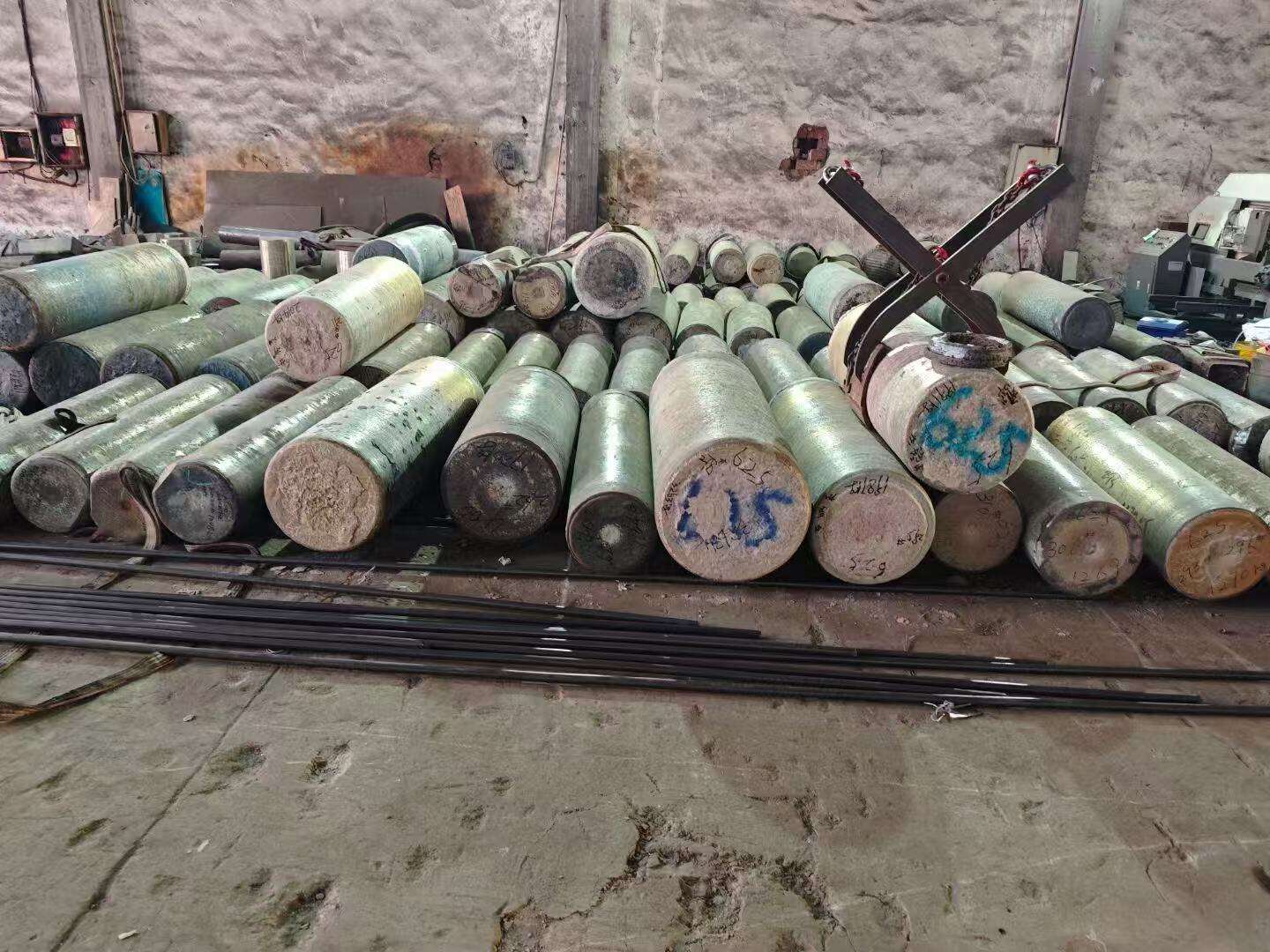
Haynes 230 Alloy: Premium High-Temperature Superalloy for Critical Industrial Applications

All Categories

haynes 230 alloy

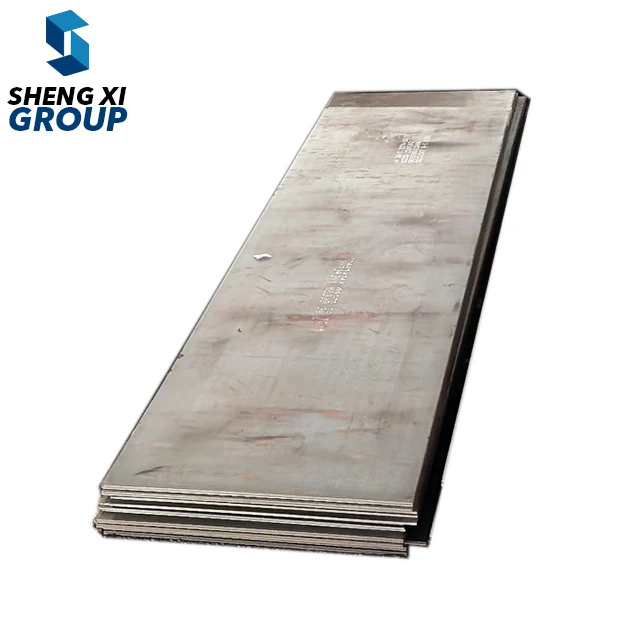
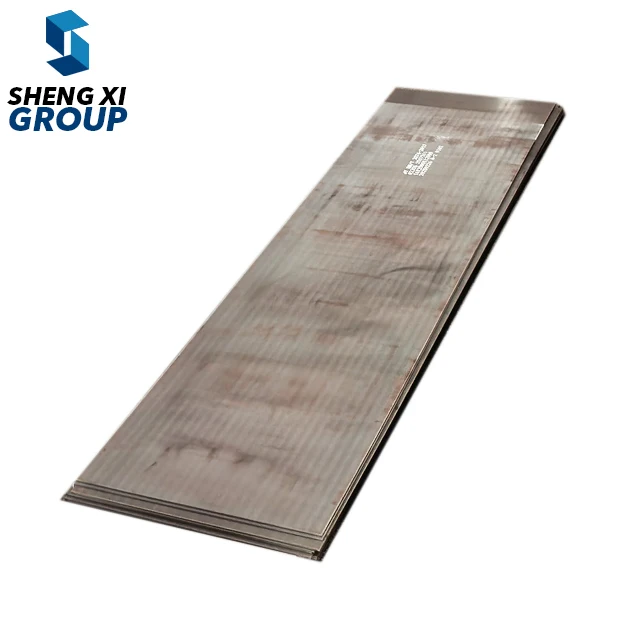
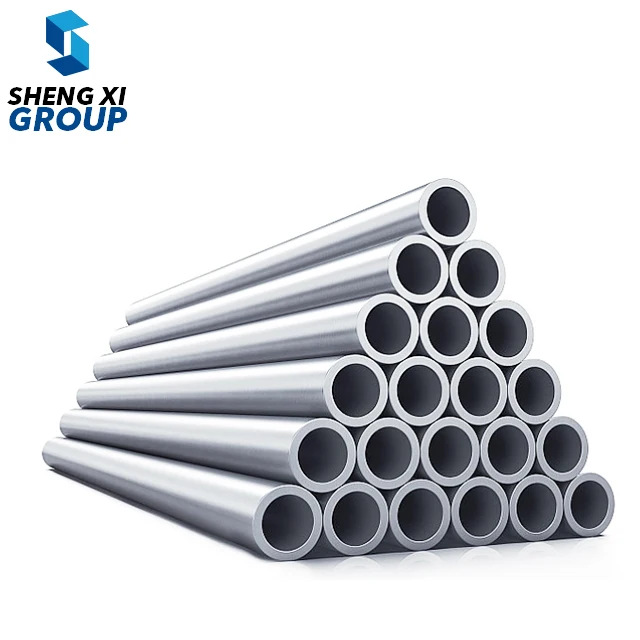
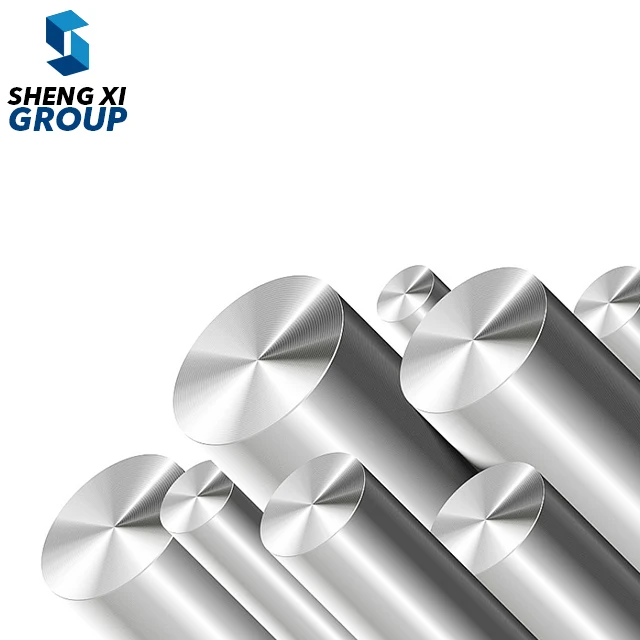
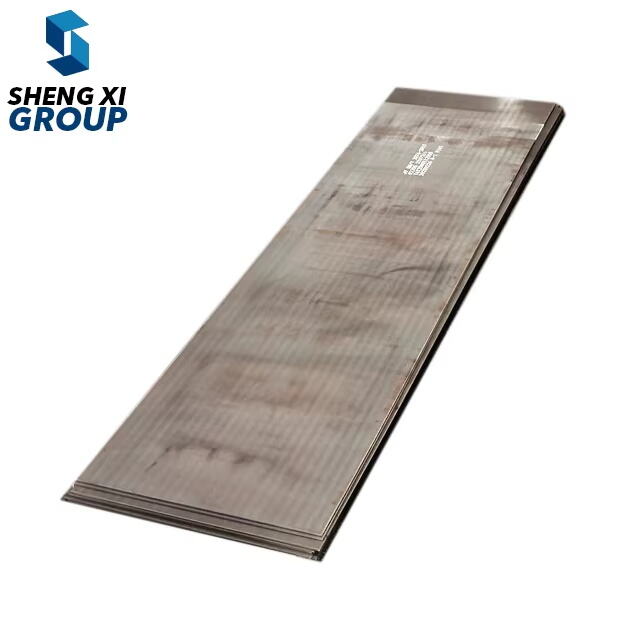
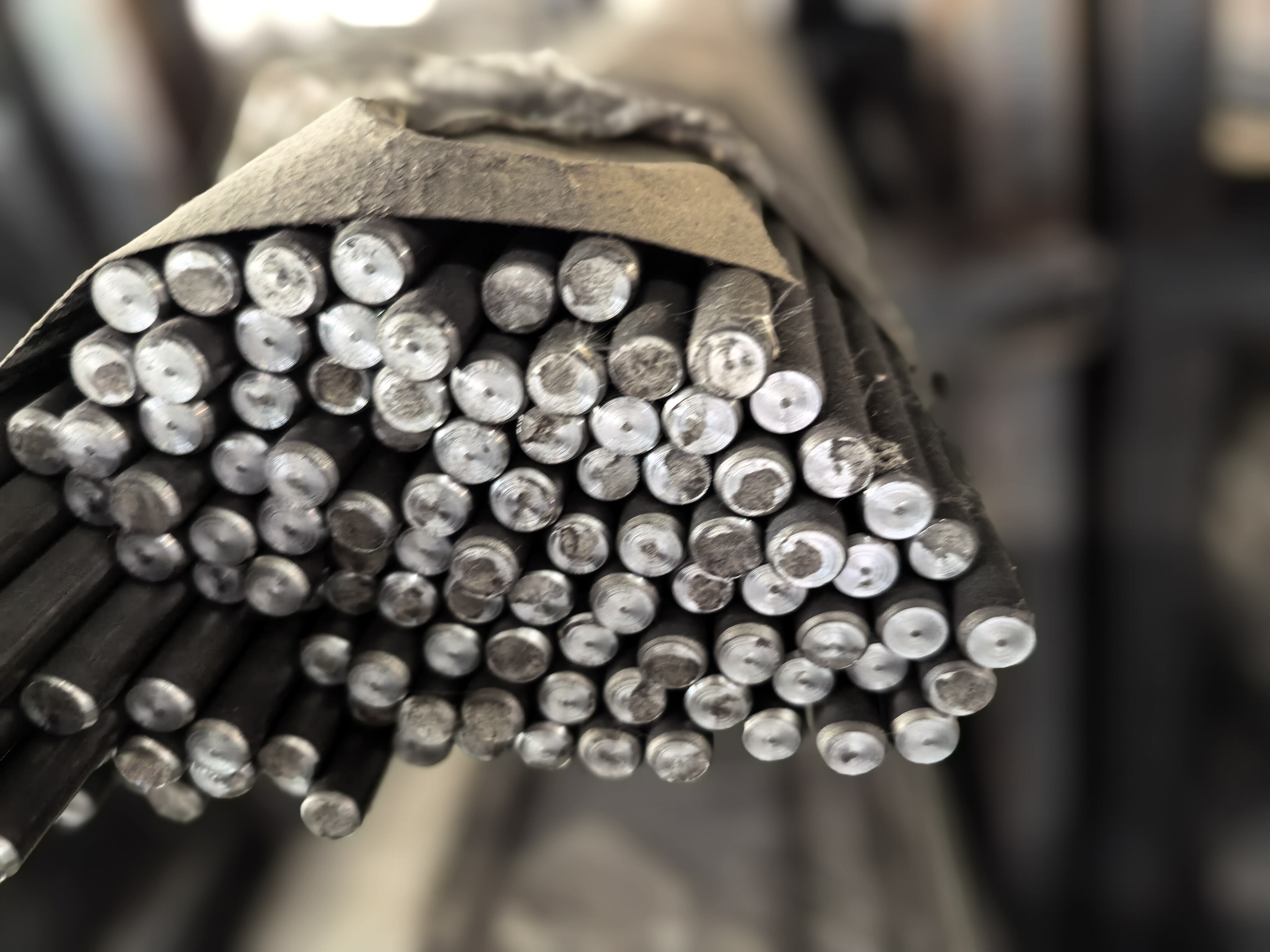
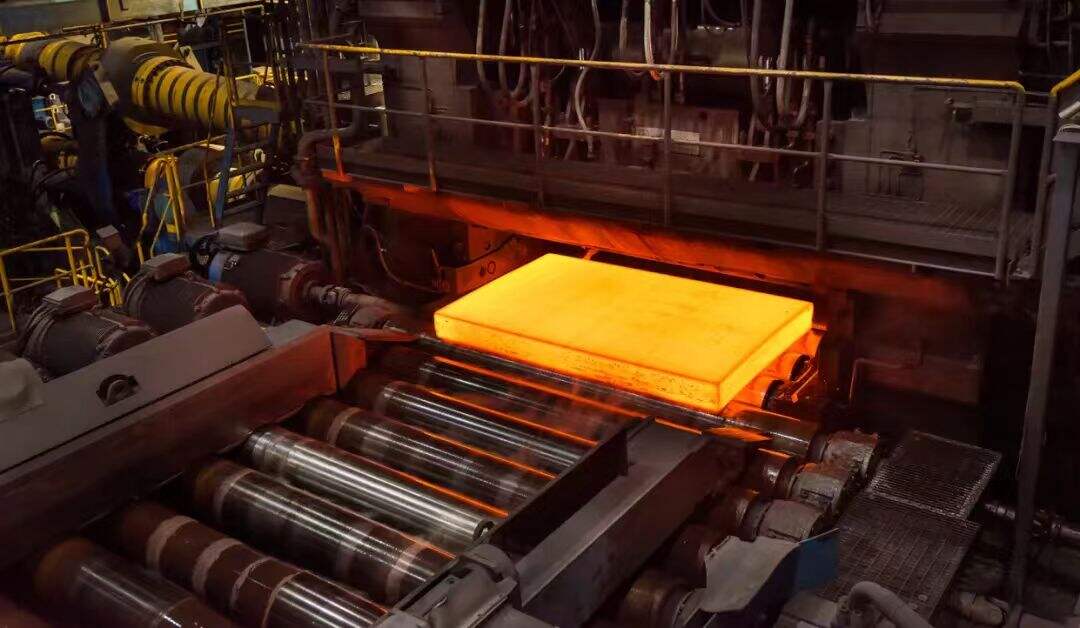
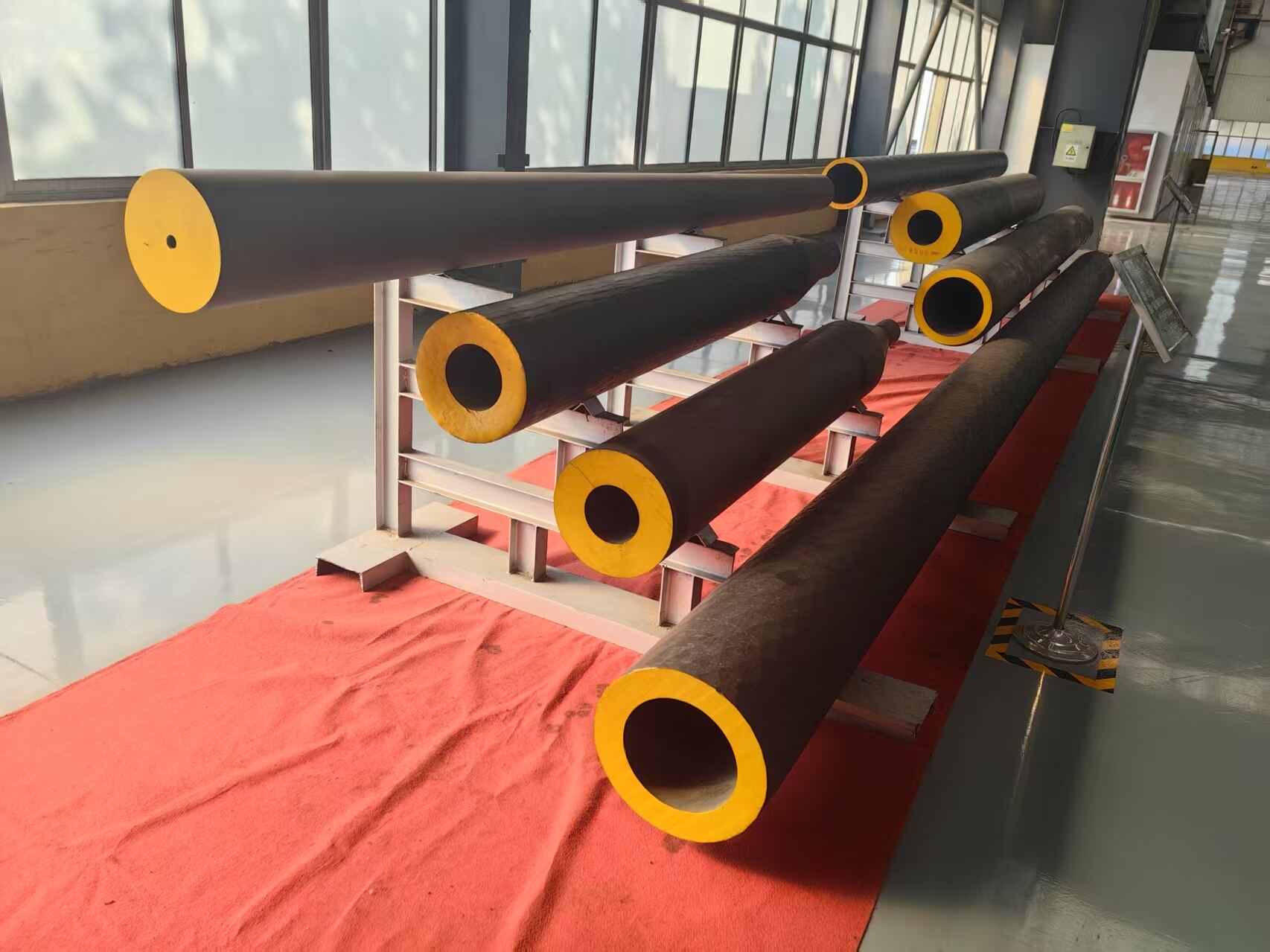
Haynes 230 alloy represents a breakthrough in high-temperature materials engineering, offering exceptional performance in demanding industrial environments. This nickel-chromium-tungsten-molybdenum superalloy delivers outstanding strength retention and oxidation resistance at elevated temperatures up to 2100°F (1149°C). The haynes 230 alloy composition includes approximately 57% nickel, 22% chromium, 14% tungsten, 2% molybdenum, and controlled additions of aluminum, carbon, and other elements that create its unique metallurgical properties. Manufacturing processes utilize advanced vacuum melting techniques followed by controlled cooling and heat treatment cycles to achieve optimal microstructure and mechanical characteristics. The alloy demonstrates remarkable thermal stability through its resistance to grain boundary precipitation and carbide formation during extended exposure to high temperatures. Technological features include excellent thermal shock resistance, superior creep strength, and maintained ductility across wide temperature ranges. Applications span aerospace propulsion systems, industrial gas turbines, heat exchangers, furnace components, and chemical processing equipment where reliability under extreme conditions remains critical. The haynes 230 alloy exhibits exceptional weldability using conventional fusion welding techniques, enabling complex fabrication requirements without compromising joint integrity. Corrosion resistance extends beyond oxidation to include sulfidation and carburization protection in harsh chemical environments. Form availability includes sheet, plate, bar, wire, and custom machined components to meet diverse engineering specifications. Quality control procedures ensure consistent material properties through rigorous testing protocols including tensile strength evaluation, creep rupture analysis, and metallographic examination. The haynes 230 alloy maintains structural integrity during thermal cycling while providing predictable material behavior for critical design calculations in high-stakes applications.

Popular Products

Haynes 230 alloy delivers substantial cost savings through extended service life and reduced maintenance requirements in high-temperature applications. Users experience significant operational benefits from its exceptional thermal stability, which eliminates frequent component replacements and associated downtime costs. The alloy's superior creep resistance means components maintain their dimensional accuracy and structural integrity throughout extended operating periods, providing reliable performance that translates directly into improved productivity. Fabrication advantages include excellent formability and machinability, allowing manufacturers to create complex geometries without specialized tooling or processing techniques. The haynes 230 alloy welds easily using standard procedures, reducing manufacturing complexity and associated labor costs while maintaining joint strength equivalent to base material properties. Corrosion resistance capabilities extend equipment lifespan in aggressive chemical environments, protecting valuable assets from premature failure and replacement expenses. Temperature cycling applications benefit from the alloy's resistance to thermal fatigue cracking, ensuring consistent performance through repeated heating and cooling cycles that would compromise lesser materials. Design flexibility increases through the haynes 230 alloy's predictable material behavior, enabling engineers to optimize component thickness and weight while maintaining required safety margins. Quality assurance becomes streamlined through consistent material properties and established performance data, reducing testing requirements and accelerating project timelines. Supply chain advantages include reliable availability and standardized specifications that support global manufacturing operations. The haynes 230 alloy supports lean manufacturing initiatives through reduced inventory requirements due to its versatile application range across multiple product lines. Environmental benefits emerge from extended component life cycles that reduce waste generation and raw material consumption. Energy efficiency improvements result from the alloy's ability to maintain performance at higher operating temperatures, enabling process optimization and reduced fuel consumption. Long-term value proposition includes predictable replacement scheduling and reduced emergency repair situations that disrupt production schedules and increase operational costs.

Practical Tips

Types and Applications of Special Steel

08

Jul

Types and Applications of Special Steel

Understanding Special Steel Fundamentals Special steel stands out in industries where strength and lasting power matter most. What makes it different from regular steel? Well, manufacturers design special steel for particular jobs, giving it qualit...
View More
Strength and Durability of Alloy Steel

08

Jul

Strength and Durability of Alloy Steel

What is Alloy Steel? Alloy steel, integral to various industrial applications, is fundamentally a mixture of iron enhanced with key elements such as carbon, manganese, chromium, and nickel. Each of these elements plays a specific role in augmenting ...
View More
What Is Cr-Mo Steel and Why It Matters

27

Aug

What Is Cr-Mo Steel and Why It Matters

Understanding the Revolutionary Alloy That Powers Modern Industry In the evolving landscape of metallurgy, Cr-Mo steel stands as a testament to human innovation in material science. This remarkable alloy, combining chromium and molybdenum with steel,...
View More
Application fields of tool steel

27

Nov

Application fields of tool steel

Understanding the Versatility of Modern Tool Steel Tool steel represents one of the most versatile and robust materials in modern manufacturing and industrial applications. This specialized form of steel, characterized by its exceptional hardness, re...
View More

Get a Free Quote

Our representative will contact you soon.
Email
Name
Company Name
Message
0/1000

haynes 230 alloy

Unmatched High-Temperature Performance and Durability

Unmatched High-Temperature Performance and Durability

The haynes 230 alloy sets industry standards for high-temperature performance through its unique metallurgical composition and advanced processing techniques. This exceptional material maintains structural integrity and mechanical properties at temperatures reaching 2100°F (1149°C), far exceeding the capabilities of conventional stainless steels and many other superalloys. The alloy's remarkable temperature resistance stems from its carefully balanced composition of nickel, chromium, tungsten, and molybdenum, which creates a stable austenitic matrix resistant to phase transformations and precipitation reactions that typically degrade material properties at elevated temperatures. Users benefit from extended equipment lifespan and reduced replacement frequency, as components fabricated from haynes 230 alloy demonstrate exceptional longevity in thermal cycling applications. The material's superior creep resistance ensures dimensional stability during prolonged exposure to high temperatures and mechanical stress, preventing deformation that could compromise system performance or safety. Thermal shock resistance protects against rapid temperature changes that commonly cause cracking and failure in brittle materials, making haynes 230 alloy ideal for applications involving frequent heating and cooling cycles. Oxidation resistance remains stable throughout the operating temperature range, forming protective oxide layers that prevent further material degradation and maintain surface integrity. This comprehensive temperature performance translates into significant cost savings through reduced maintenance requirements, extended service intervals, and improved operational reliability. Industries relying on high-temperature processes, including aerospace, power generation, and chemical processing, achieve substantial competitive advantages through the haynes 230 alloy's consistent performance under extreme thermal conditions that would challenge or destroy alternative materials.
Superior Corrosion and Chemical Resistance

Superior Corrosion and Chemical Resistance

Haynes 230 alloy provides exceptional protection against diverse corrosive environments through its advanced chemical composition and microstructural design. The alloy's high chromium content creates stable, adherent oxide films that act as barriers against oxidizing atmospheres, while tungsten and molybdenum additions enhance resistance to reducing conditions and complex chemical attacks. This multi-layered protection system ensures reliable performance in applications involving sulfur-containing gases, chloride environments, and other aggressive chemical species that rapidly degrade conventional materials. The haynes 230 alloy demonstrates outstanding resistance to sulfidation, a critical advantage in petroleum refining, chemical processing, and power generation applications where sulfur compounds pose constant threats to equipment integrity. Carburization resistance prevents carbon pickup and subsequent embrittlement that commonly affects steel components in high-temperature hydrocarbon environments. Nitridation resistance maintains material properties in nitrogen-rich atmospheres that can cause surface hardening and cracking in susceptible alloys. Hot corrosion resistance protects against salt deposits and combustion products that typically accelerate material degradation in gas turbine applications. The alloy's resistance to stress corrosion cracking provides additional safety margins in applications involving tensile stresses and corrosive environments. Users benefit from predictable material behavior and extended service life, even in harsh chemical environments that require frequent component replacement with lesser materials. This comprehensive chemical resistance reduces operational risks, minimizes unplanned shutdowns, and decreases long-term maintenance costs. The haynes 230 alloy's proven performance in aggressive environments enables engineers to design systems with confidence, knowing that material degradation will not compromise operational safety or efficiency throughout the intended service life.
Exceptional Fabrication Flexibility and Manufacturing Advantages

Exceptional Fabrication Flexibility and Manufacturing Advantages

The haynes 230 alloy offers remarkable fabrication versatility that streamlines manufacturing processes while maintaining superior material properties throughout complex forming and joining operations. This exceptional workability enables manufacturers to create intricate component geometries using conventional metalworking techniques without requiring specialized equipment or exotic processing methods. The alloy demonstrates excellent hot and cold forming characteristics, allowing for deep drawing, bending, and shaping operations that would be challenging or impossible with brittle high-temperature materials. Machining properties remain consistent across various cutting conditions, enabling precision manufacturing with standard tooling and established parameters that reduce production complexity and associated costs. Welding capabilities stand as a particular strength of haynes 230 alloy, as it readily accepts fusion welding using gas tungsten arc welding, gas metal arc welding, and other conventional techniques without requiring preheating or post-weld heat treatment in many applications. Weld joints maintain strength and corrosion resistance equivalent to base material properties, ensuring structural integrity throughout fabricated assemblies. The alloy's resistance to hot cracking during welding eliminates many quality concerns associated with joining high-temperature materials. Heat treatment flexibility allows for property optimization through controlled thermal processing that can enhance specific characteristics for particular applications. Surface finishing operations, including grinding, polishing, and coating application, proceed smoothly without special precautions or modified techniques. Quality control becomes more straightforward through the haynes 230 alloy's predictable response to processing variables and consistent material behavior. These manufacturing advantages translate into reduced production times, lower fabrication costs, and improved product quality. Manufacturers benefit from streamlined processes, reduced scrap rates, and enhanced design flexibility that supports innovative product development while maintaining competitive production economics and delivery schedules.
Haynes 230 Alloy: Premium High-Temperature Superalloy for Critical Industrial Applications

Get a Free Quote

Our representative will contact you soon.
Email
Name
Company Name
Message
0/1000